

The city of Luxor functions as the best outdoor museum because it brings to life Egypt's historical past. The city displays its historic power through its temples and royal tombs and monuments which line the banks of the Nile River. Your Egypt travel plans become complete when you visit Luxor which serves as a historical site from one of the oldest civilizations in existence.
The Egypt tours at Next Holiday Travel provide you with a chance to visit the extraordinary Luxor sites while discovering ancient world mysteries.
Karnak and Luxor: Temples of Power and Faith
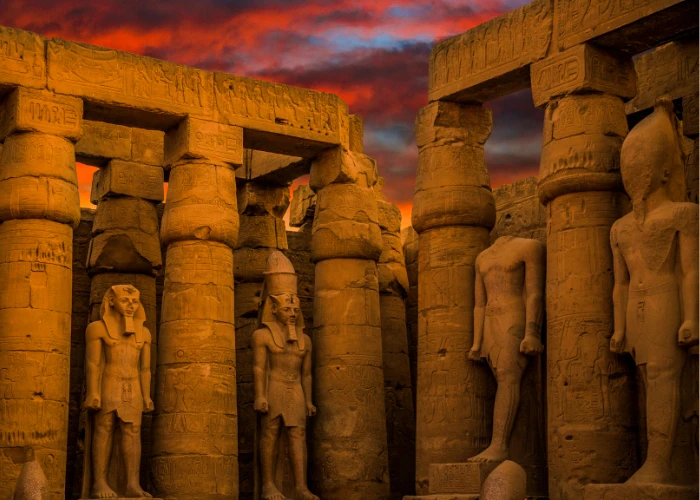
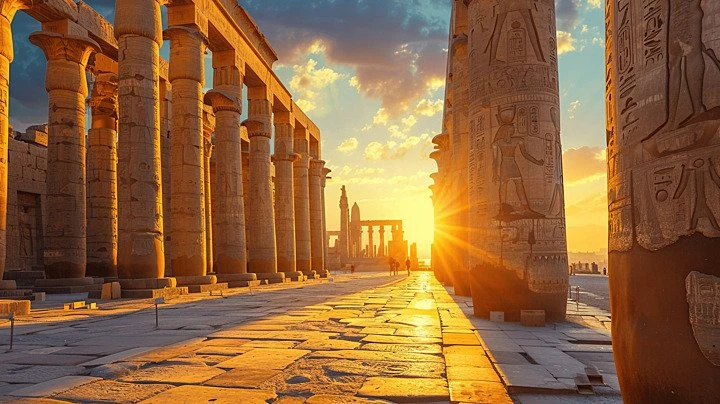
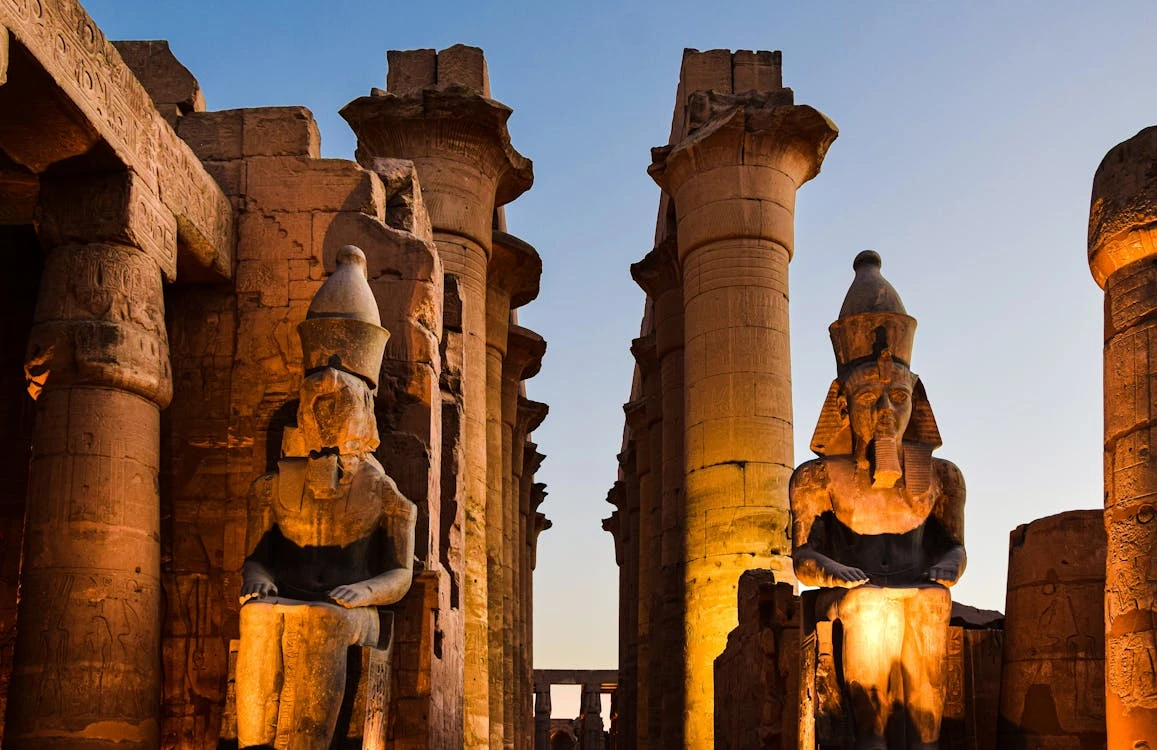
Your journey begins at Karnak Temple, the largest religious complex ever built in ancient Egypt. The vast sanctuary serves Amun-Ra through its impressive columns and sacred lake and its gigantic gates. The Great Hypostyle Hall which displays 134 huge columns that show hieroglyphs creates an experience which resembles walking through a prehistoric stone forest.
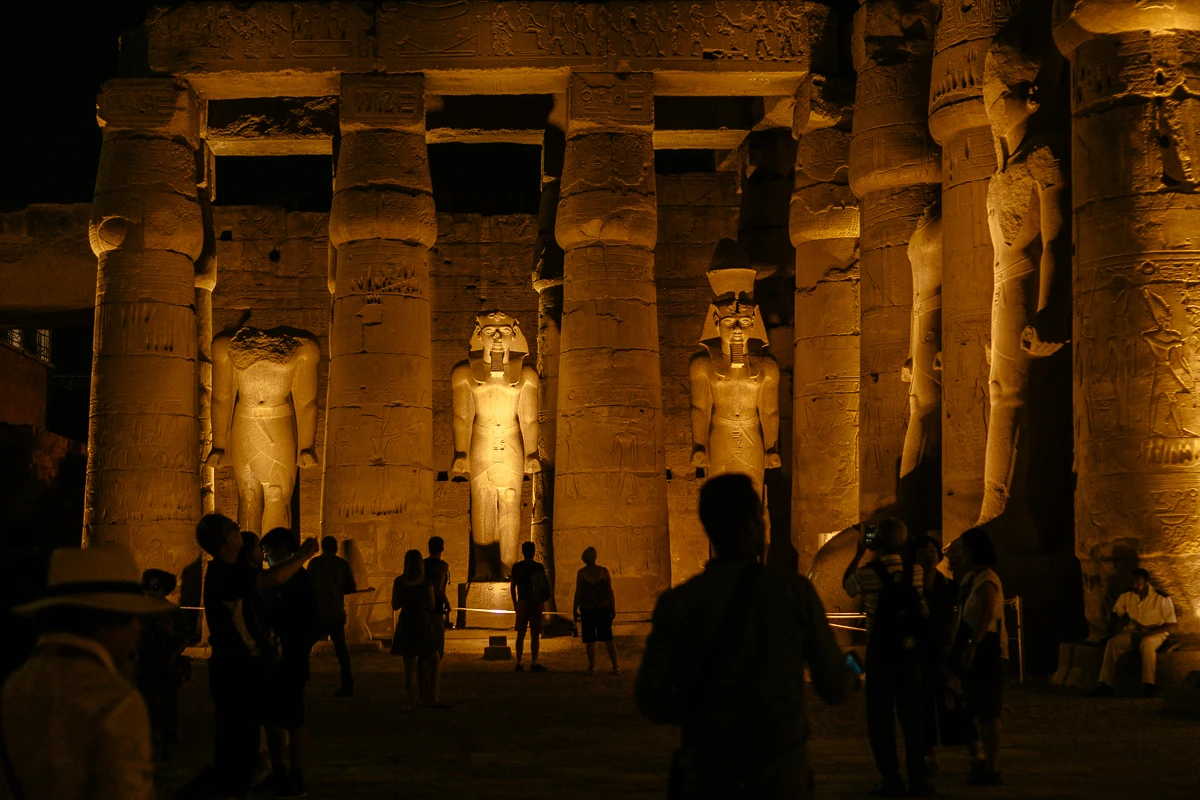
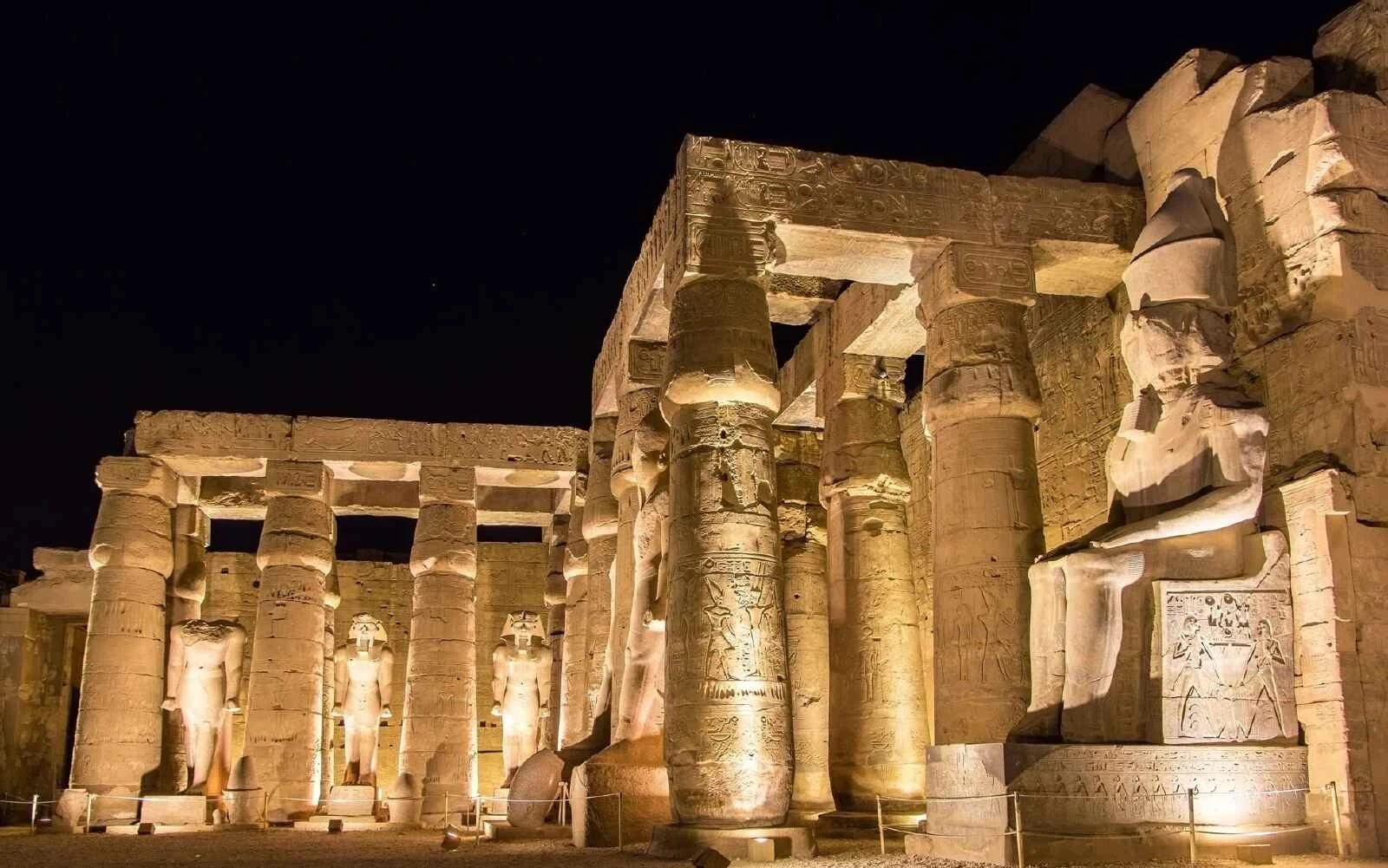
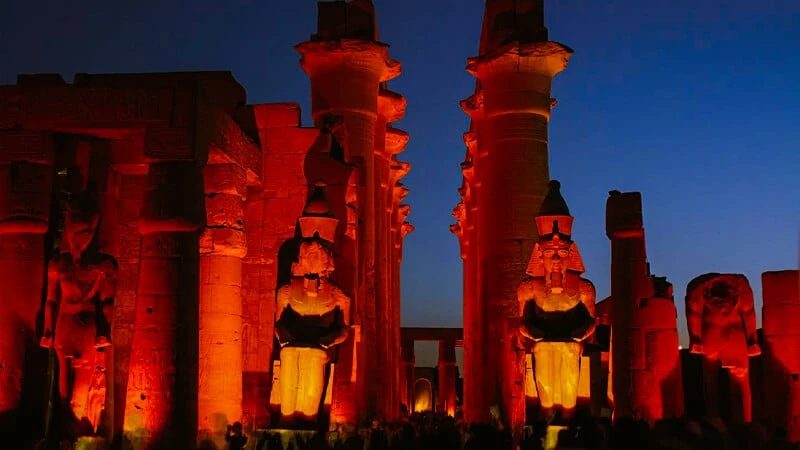
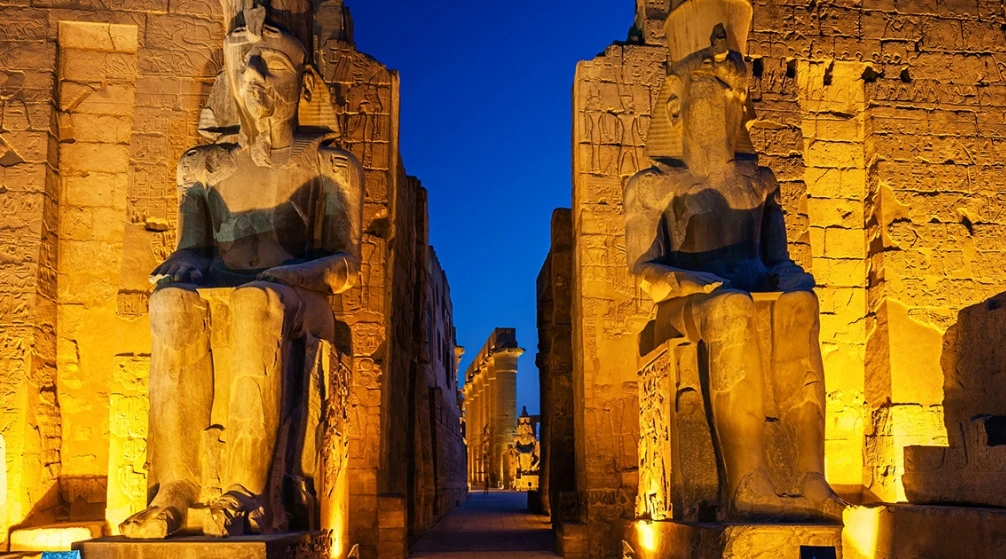
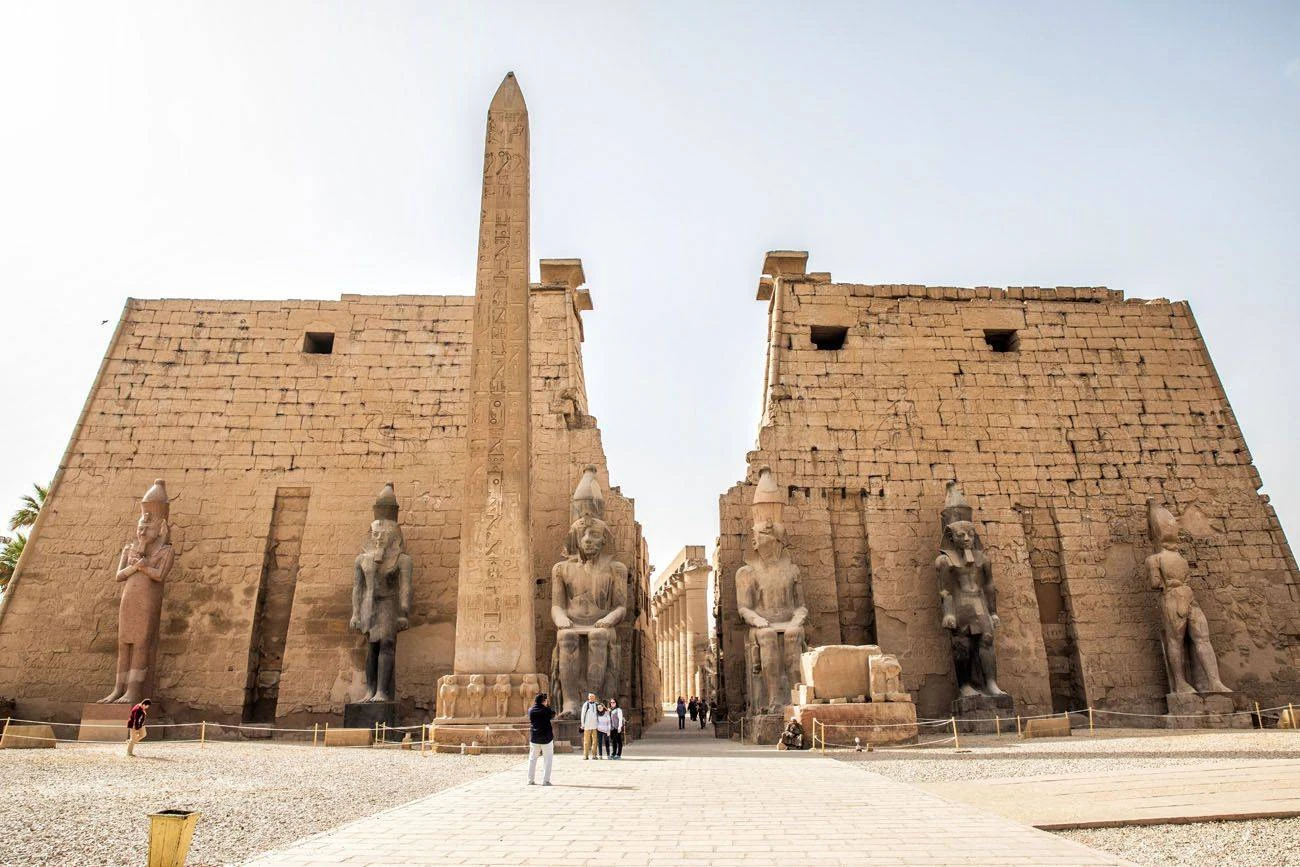
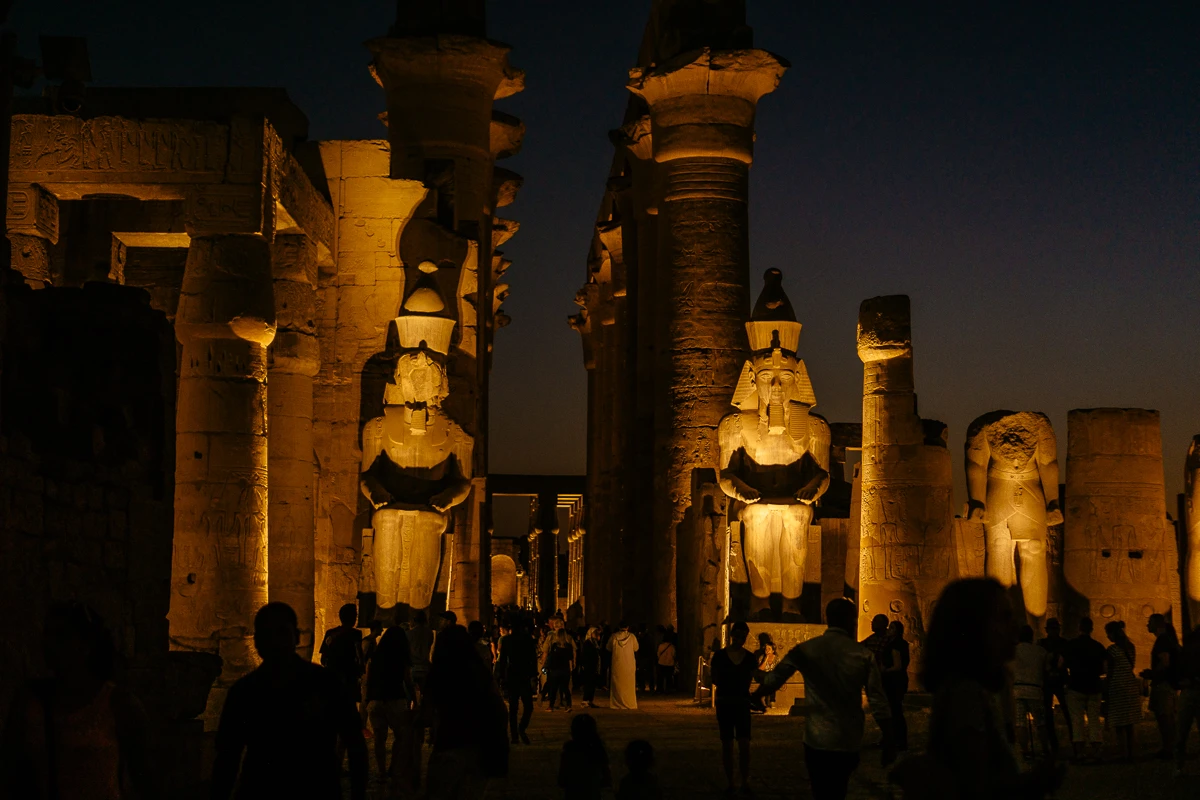
Nearby to Luxor Temple their Avenue of Sphinxes once linked Karnak with its existing location. The temple glows with its nighttime illumination which creates a magical view that contrasts between its historical elements and its present-day cityscape.
Inside the Royal Necropolis: Valley of the Kings
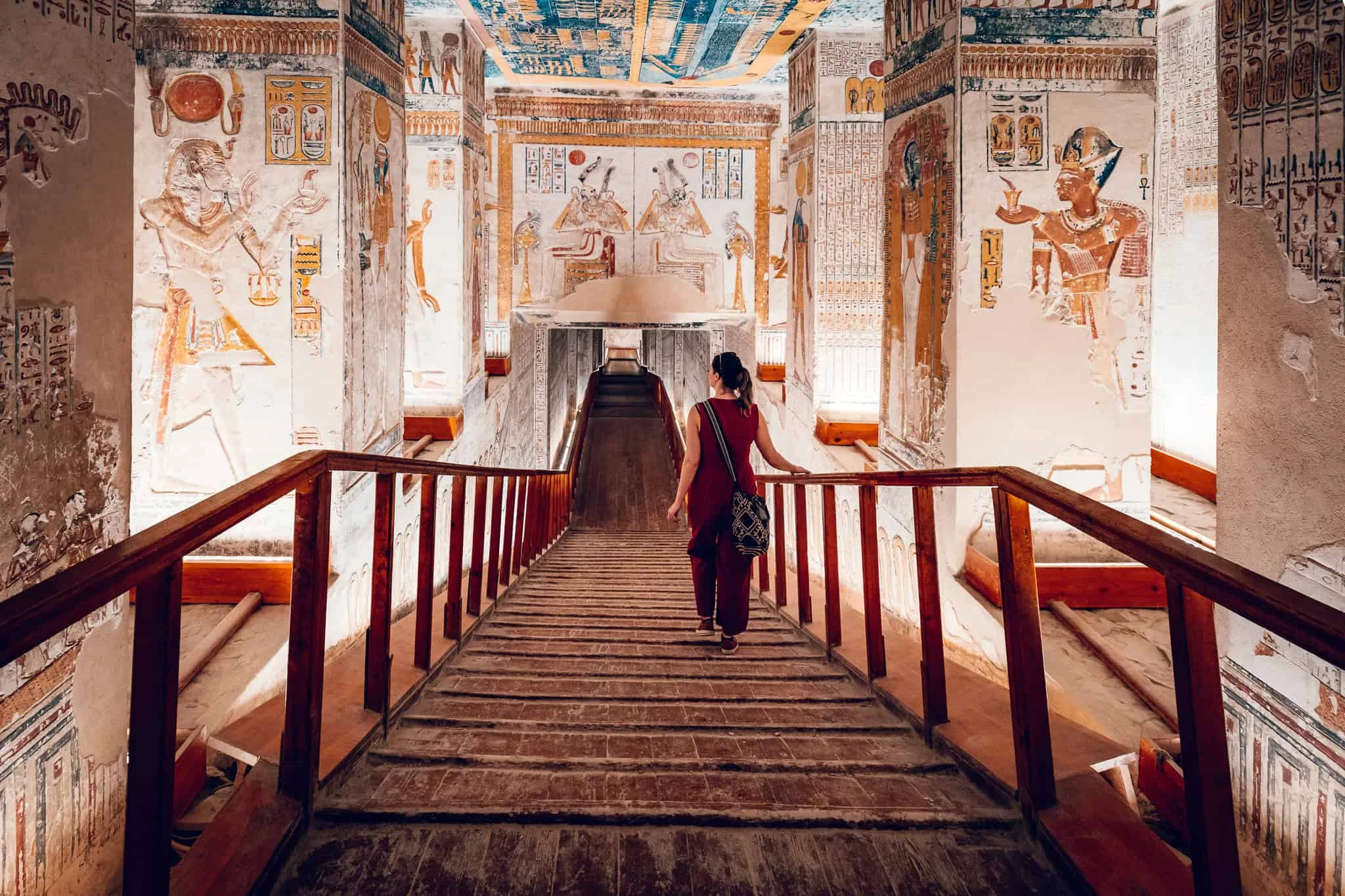
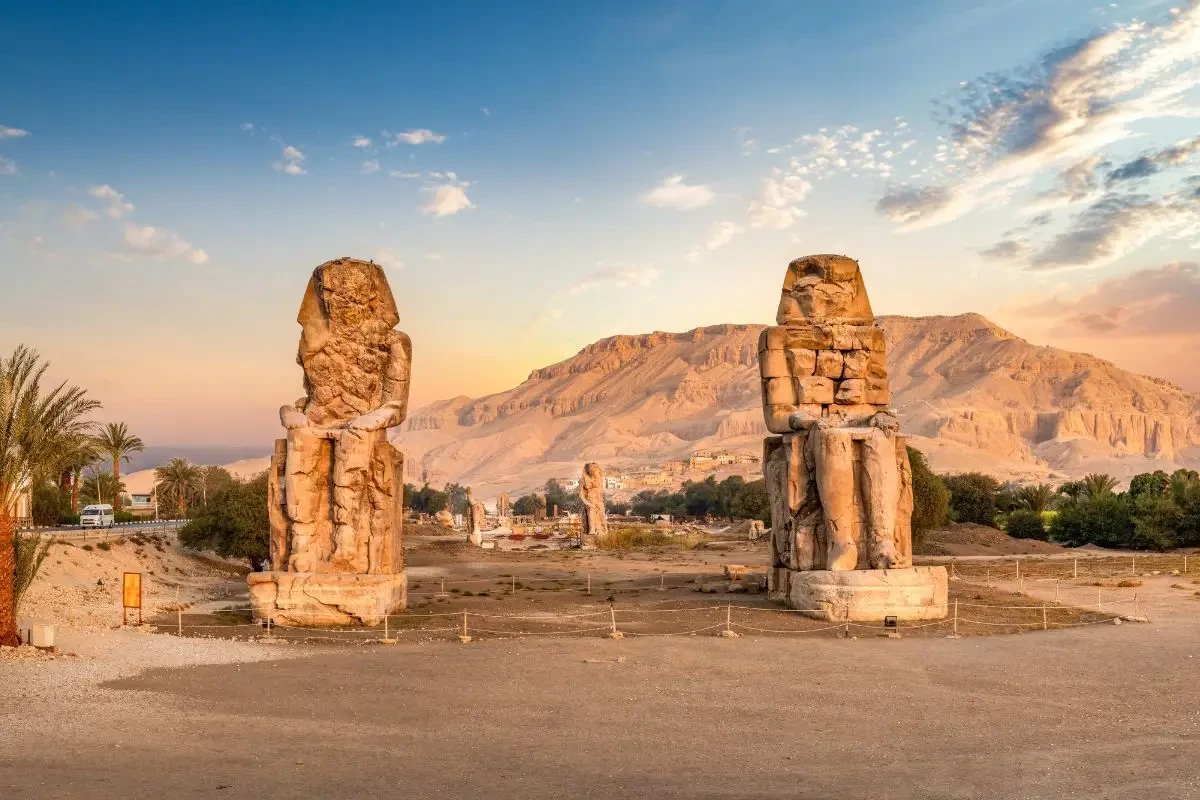
The Valley of the Kings serves as a royal burial site for New Kingdom pharaohs who died on Luxor's west bank. The desert hills hide elaborate tombs that display afterlife scenes and royal burial activities through their colorful paintings. The burial site of Tutankhamun holds the highest fame because it contained artifacts which reshaped our knowledge about ancient Egyptian civilization.
The underground chambers show the methods used by pharaohs to get ready for their eternal rest.
Queens, Artisans, and Daily Life in Ancient Luxor
The study of Queens Artisans and Daily Life in Ancient Luxor reveals the existence of a dedicated burial site which the Egyptians used to inter their royal wives and their royal offspring. The tomb of Queen Nefertari exists as a famous burial site which displays its vibrant colors and its elegant artistic design.
Deir el‑Medina presents visitors with a different view of ancient society. This workers’ village housed the craftsmen who created the royal tombs. The study of their residential spaces and their elaborately decorated burial sites provides scholars with valuable knowledge about their common activities which they did outside of the royal court.
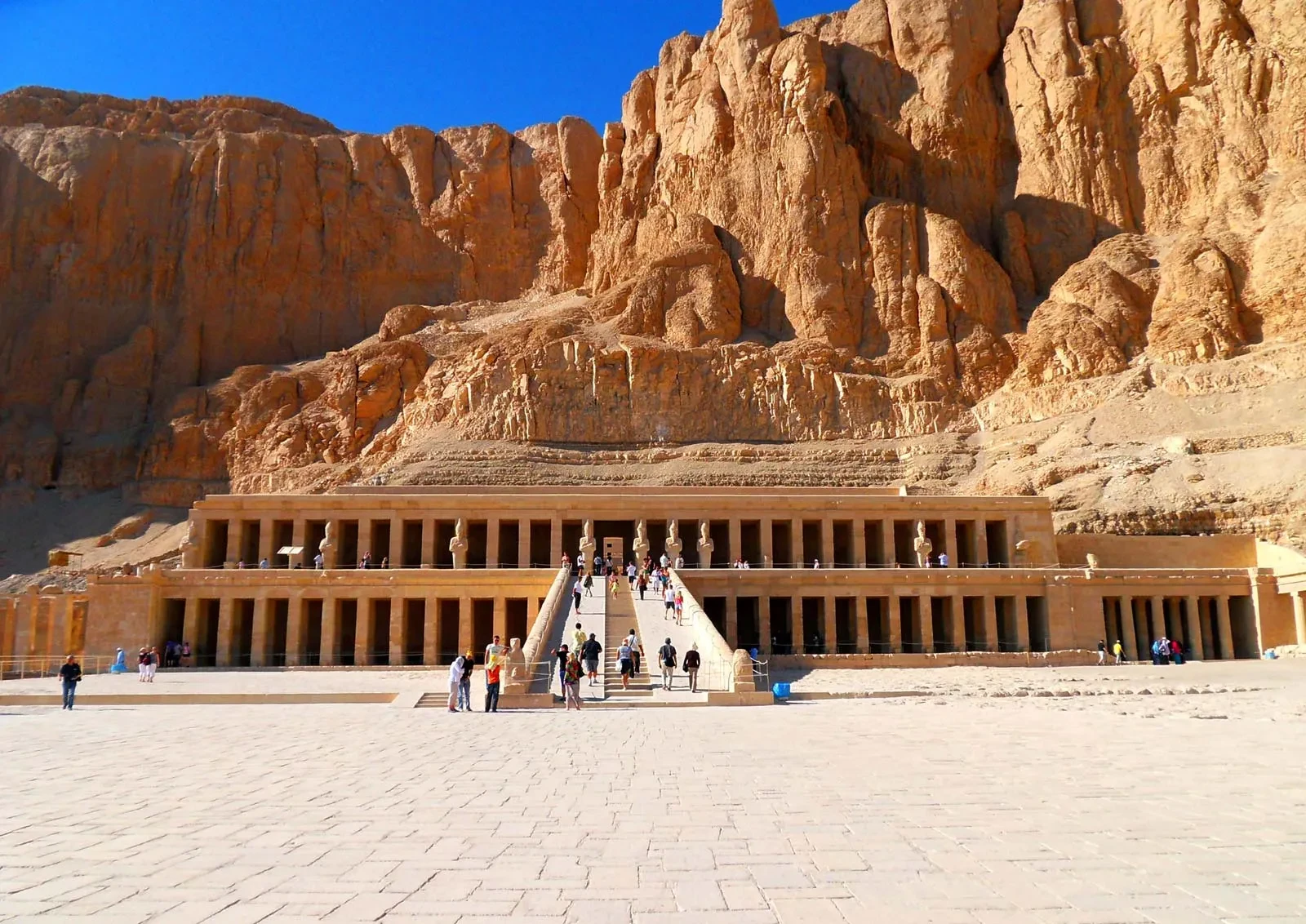
Hatshepsut’s Temple stands as a permanent monument which commemorates the reign of a female pharaoh.
The Mortuary Temple of Hatshepsut creates an impressive visual display which extends upward from its mountain base. The building combines its outside elements with its interior parts while its reliefs display the accomplishments of Egypt’s most powerful female leader.












-webp.webp "10-Day Classic Tour to Cairo, Aswan, Luxor, and Hurghada")










-webp.webp)
-webp.webp)

-webp.webp)