

The area known as Luxor serves as an open-air museum which showcases Egypt's ancient past to the present time. The city, which stretches along the Nile River, contains temples and royal tombs and monuments that demonstrate the ancient power and beliefs of pharaohs. Your Egypt trip becomes complete when you visit Luxor, which serves as a gateway to one of the world's historical sites.
Next Holiday Travel offers Egypt tours which allow you to discover the remarkable sites of Luxor while you learn about ancient Egyptian mysteries.
Karnak and Luxor: Temples of Power and Faith
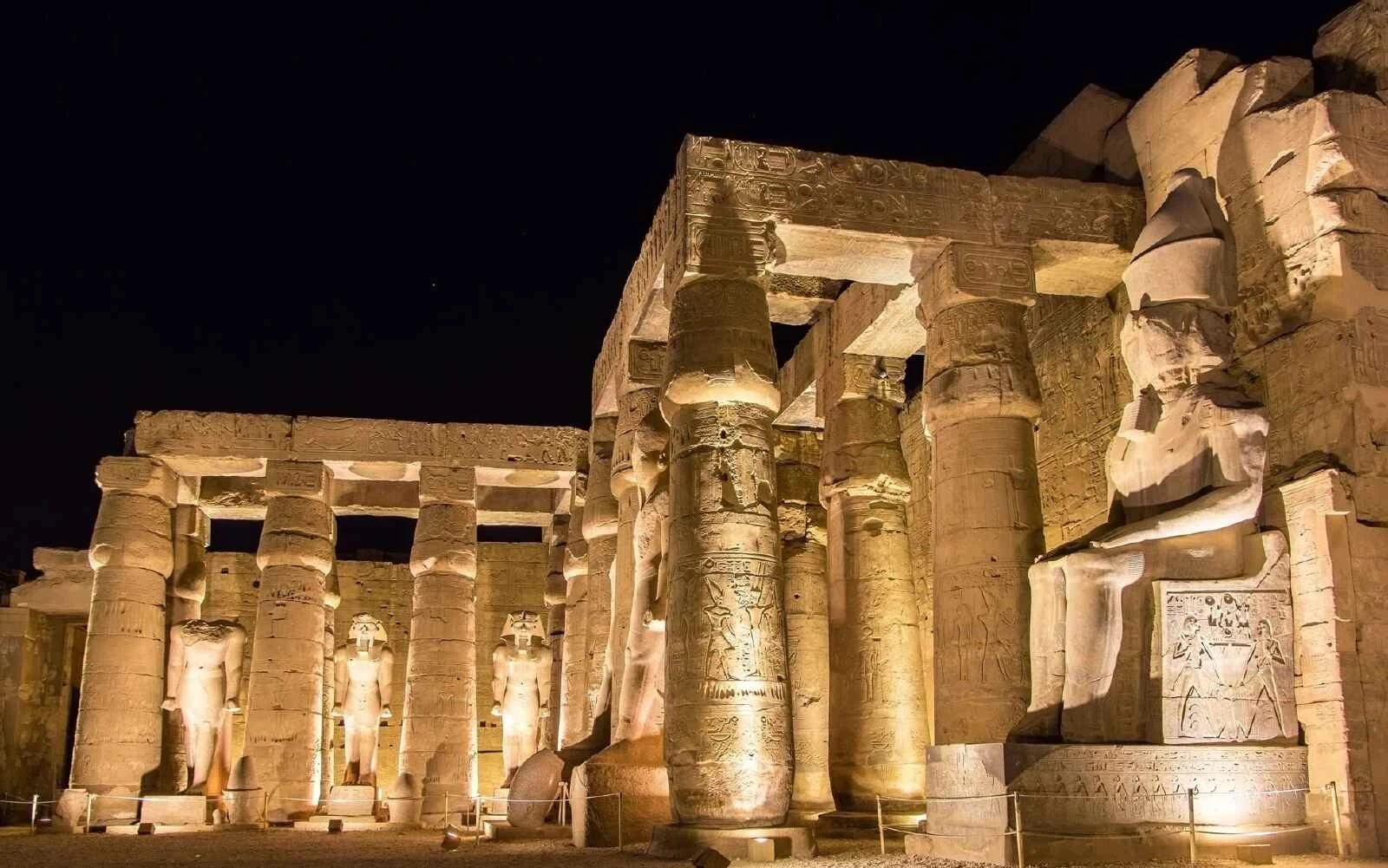
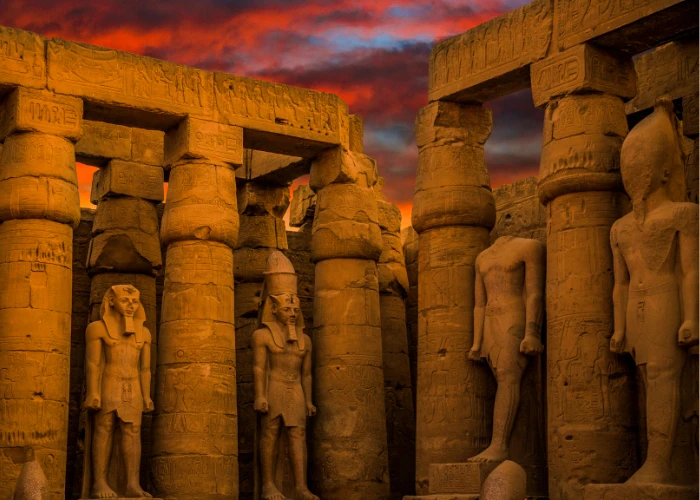
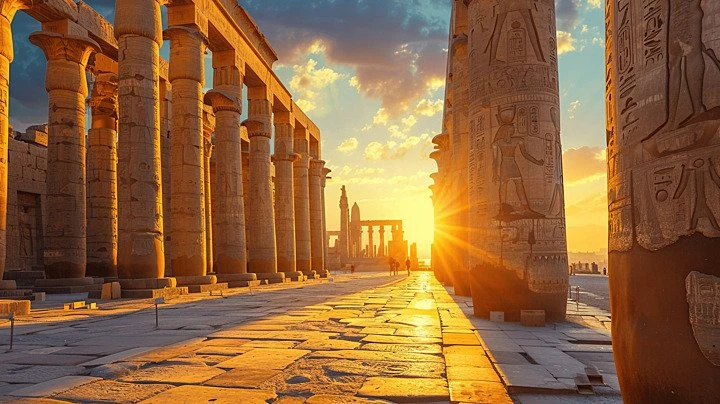
Karnak Temple marks the beginning of your expedition because it stands as the most extensive religious site constructed during ancient Egyptian history. This expansive sanctuary, which dedicated itself to Amun-Ra, contains its famous high columns and holy lake and grand entrance doors. Great Hypostyle Hall provides visitors with a unique experience because its 134 enormous hieroglyph-covered columns create an atmosphere which resembles a prehistoric stone forest.
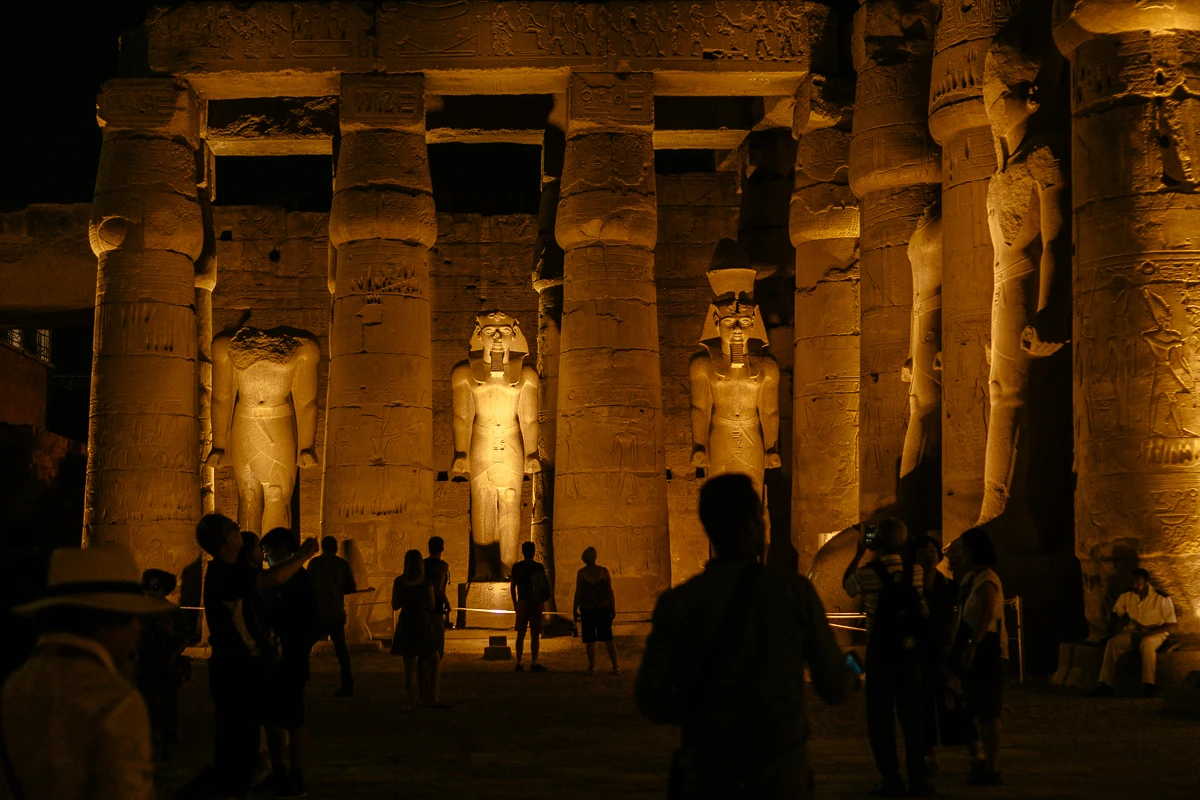
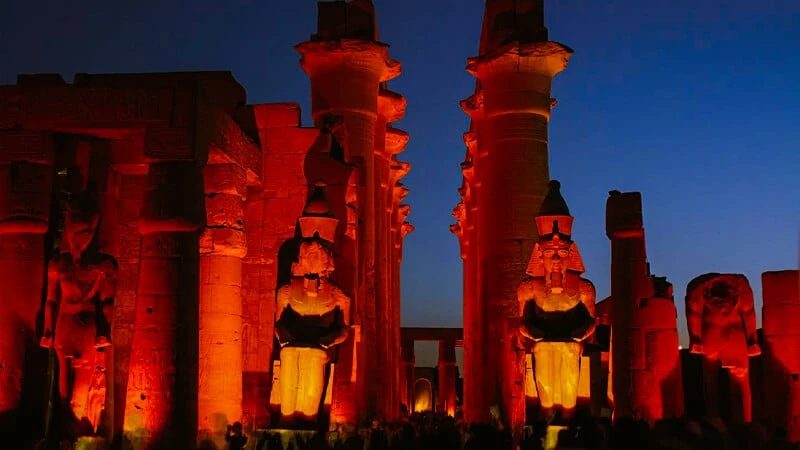
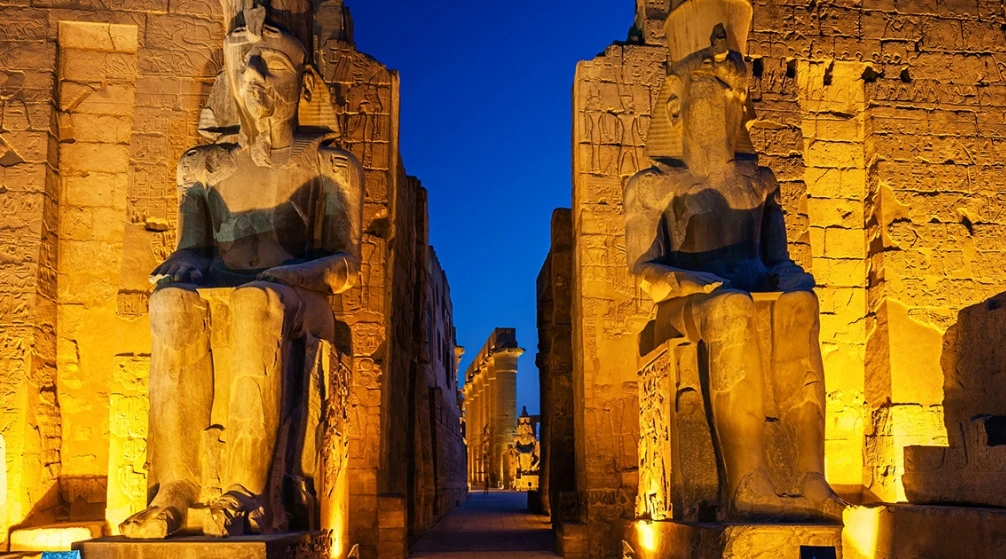
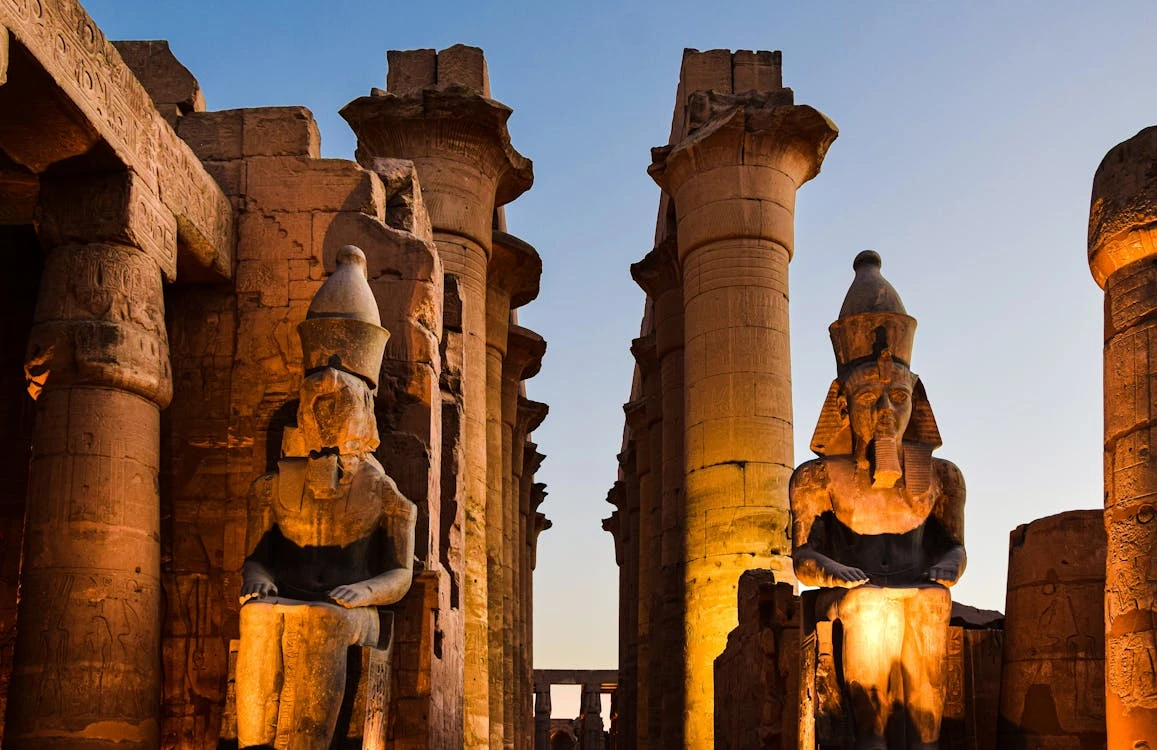
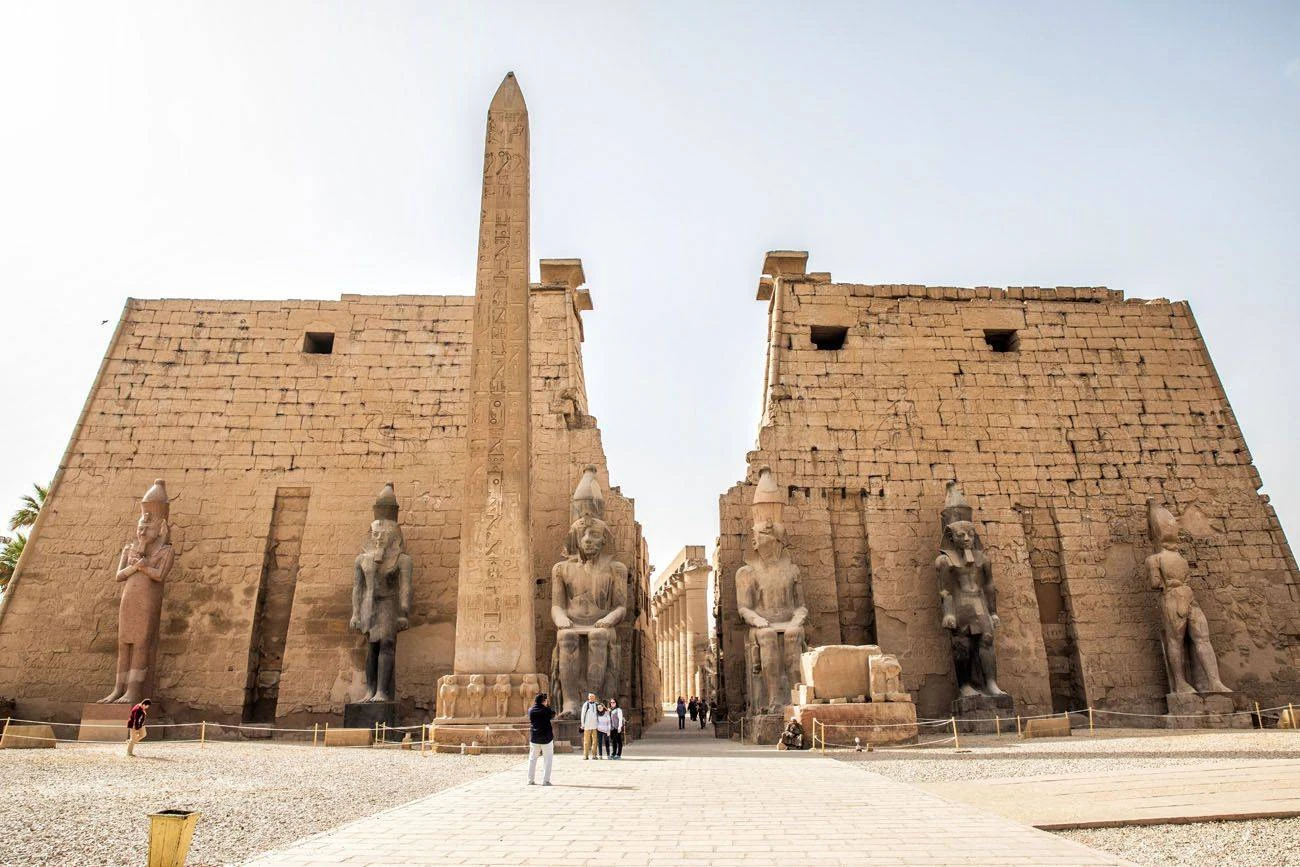
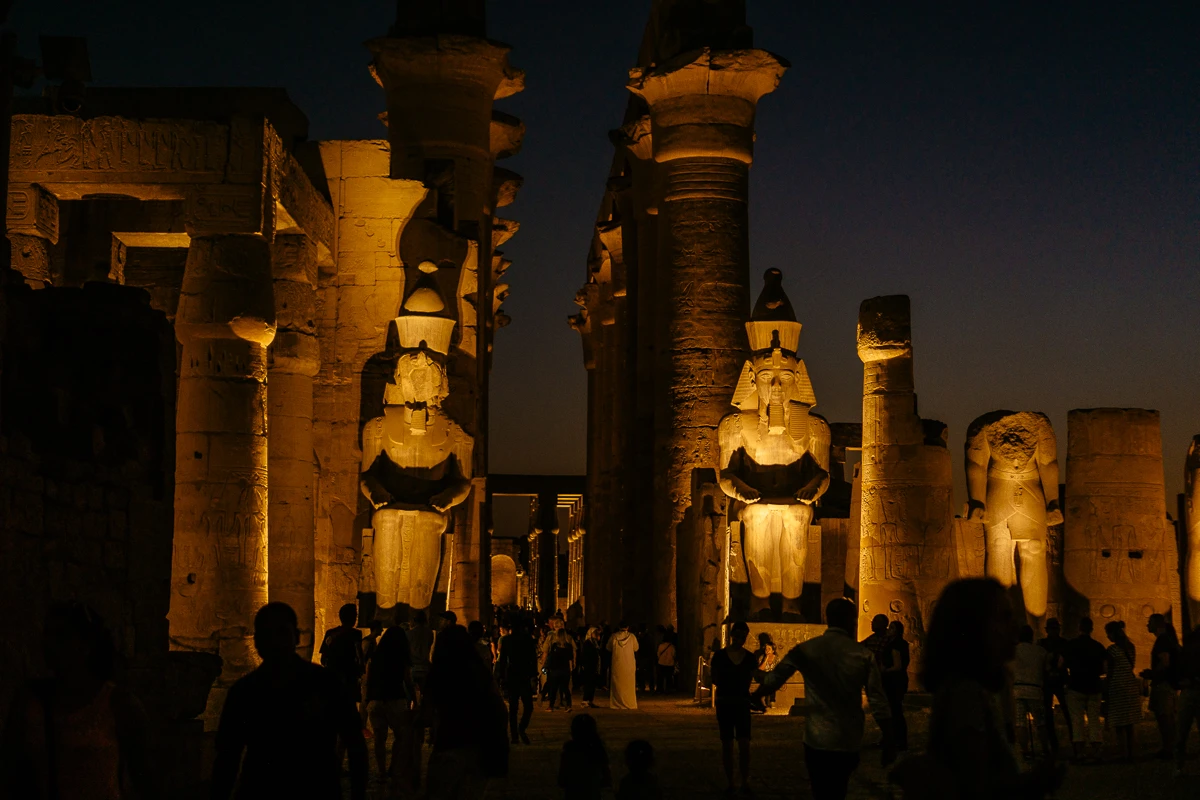
The Luxor Temple exists as a nearby structure which the Avenue of Sphinxes once used to connect to Karnak. The temple, which becomes visible at night, creates a stunning visual display that combines ancient and modern elements to showcase both eras.
The Royal Necropolis: Valley of the Kings
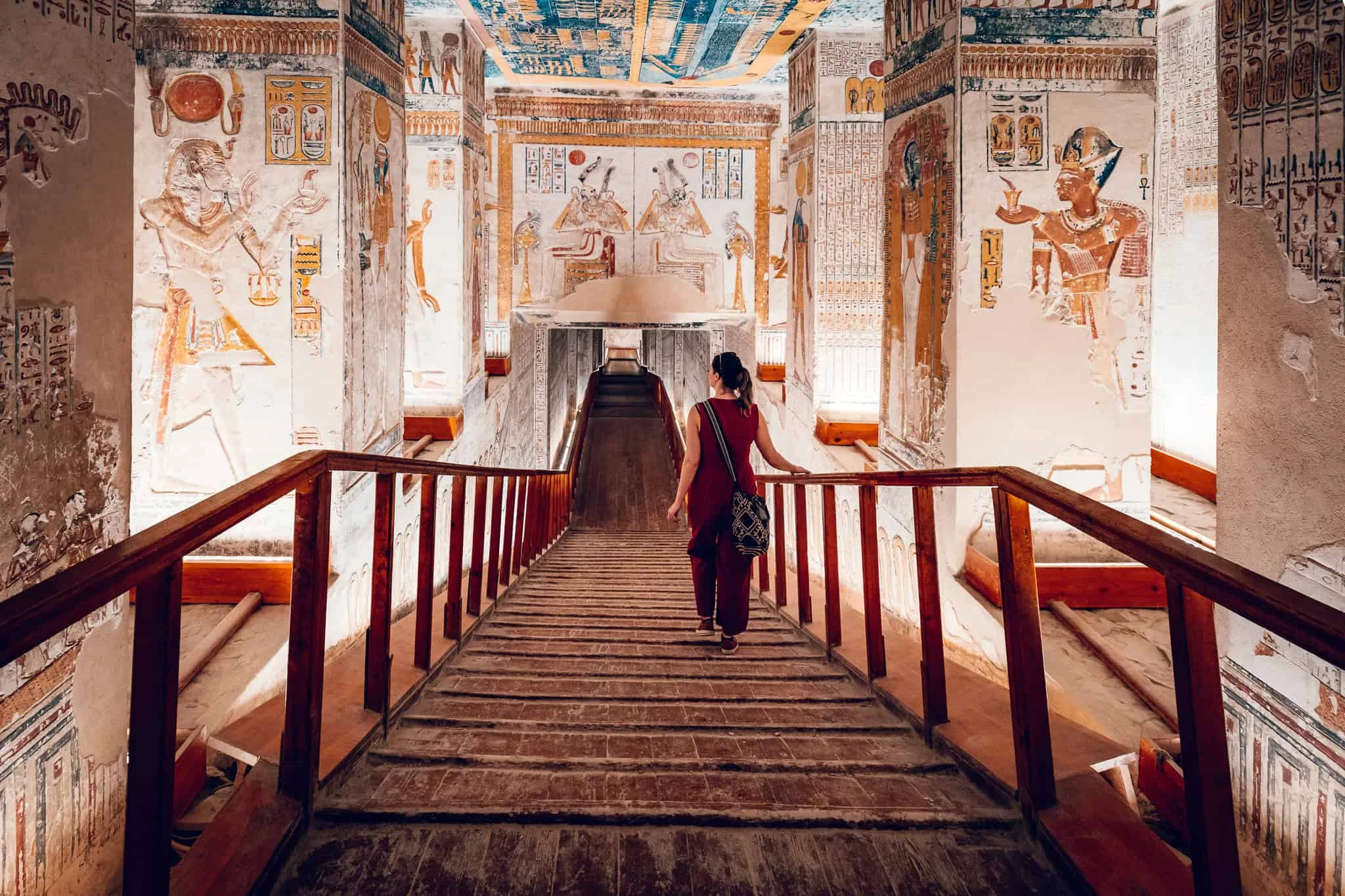
The Valley of the Kings, which serves as the burial site for New Kingdom pharaohs, exists on the western shore of Luxor. The desert hills conceal tombs which contain intricate afterlife paintings and royal burial ceremony displays. The tomb of Tutankhamun remains the most famous, discovered with treasures that transformed our understanding of ancient Egypt.
The underground chambers provide visitors with a unique experience that shows how pharaohs prepared themselves for eternal life.
Queens Artisans and Daily Life in Ancient Luxor
The Valley of the Queens lies adjacent to the royal valley which served as the burial site for royal wives and children. The tomb of Queen Nefertari is famous for its bright colors and beautiful artistic work.
The ancient village of Deir el‑Medina shows people another way to understand ancient life. The workers village functioned as a home for craftsmen who built the royal burial sites. Their homes together with their decorated burial chambers provide people with uncommon information about daily activities that occurred outside the royal court.
Hatshepsut’s Temple: Monument of a Female Pharaoh
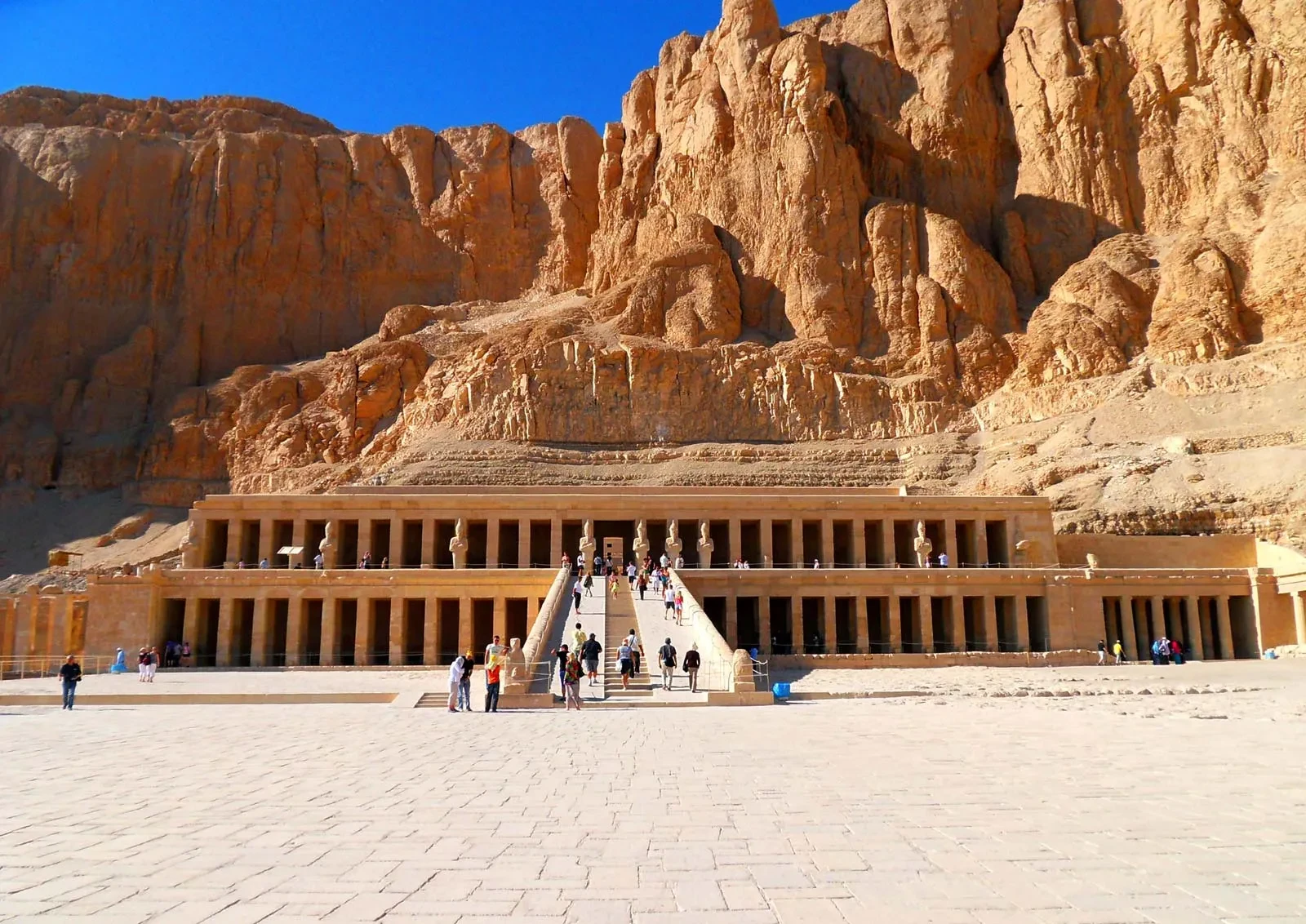
The Mortuary Temple of Hatshepsut rises high above the desert cliffs to become one of the most beautiful structures in Egypt. The building’s terraces and colonnades create a natural extension of the landscape while its reliefs display the accomplishments of Egypt’s most powerful female ruler.
The temple’s natural and historical balance creates one of Luxor’s most photographed locations.
Medinet Habu and the Colossi of Memnon
The Medinet Habu temple of Ramses III contains the finest reliefs which exist in Luxor. The walls present an extraordinary display of battle scenes together with ritualistic events and royal ceremonies.
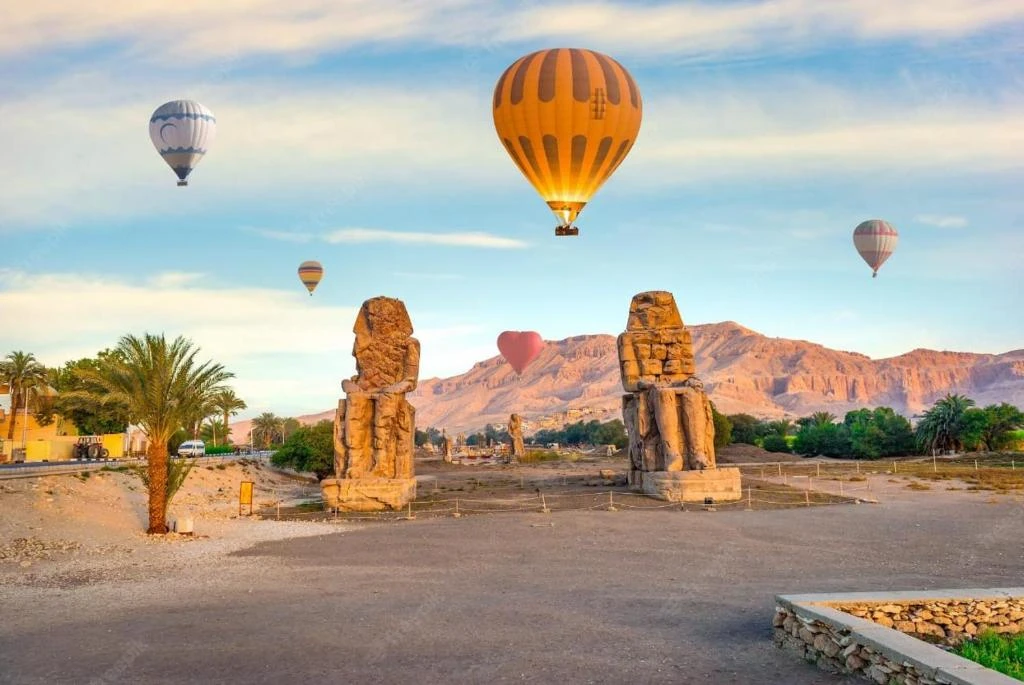
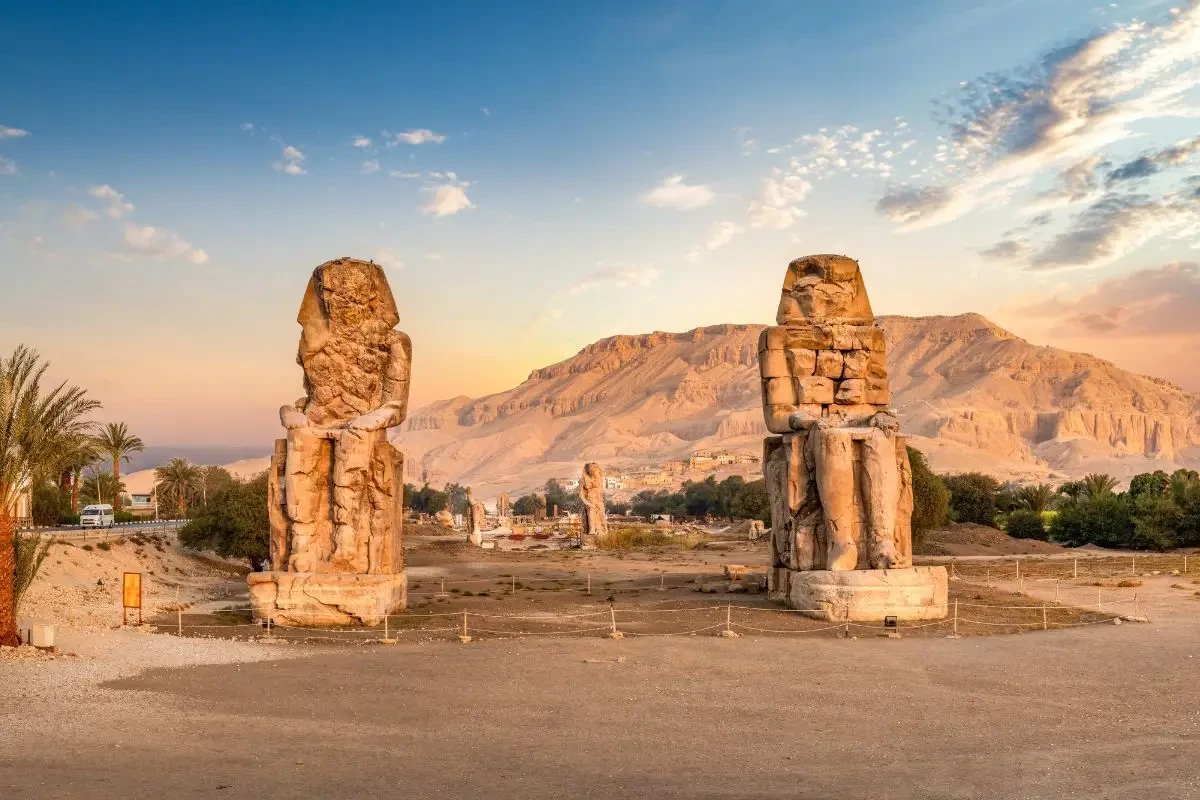
The Colossi of Memnon stand nearby as two massive statues which used to protect Amenhotep III’s temple. The statues created a legend which made travelers believe that the statues sang at sunrise which still creates an air of mystery around their existence.
Why Luxor Is Essential for Egypt Travel
The city of Luxor functions as a historical site which contains temples and tombs and ancient settlements that exist in their original Nile River location. Each visit allows people to experience pharaonic civilization through its authentic historical exhibits which operate as a living museum.
Luxor provides visitors with an authentic historical experience which ranges from its gigantic temples to its concealed burial sites. The Next Holiday Travel company enables visitors to experience Luxor as they travel through time to discover the lasting impact of ancient Egyptian civilization.












-webp.webp "10-Day Classic Tour of Cairo, Aswan, Luxor, and Hurghada")









-webp.webp)
-webp.webp)

-webp.webp)