

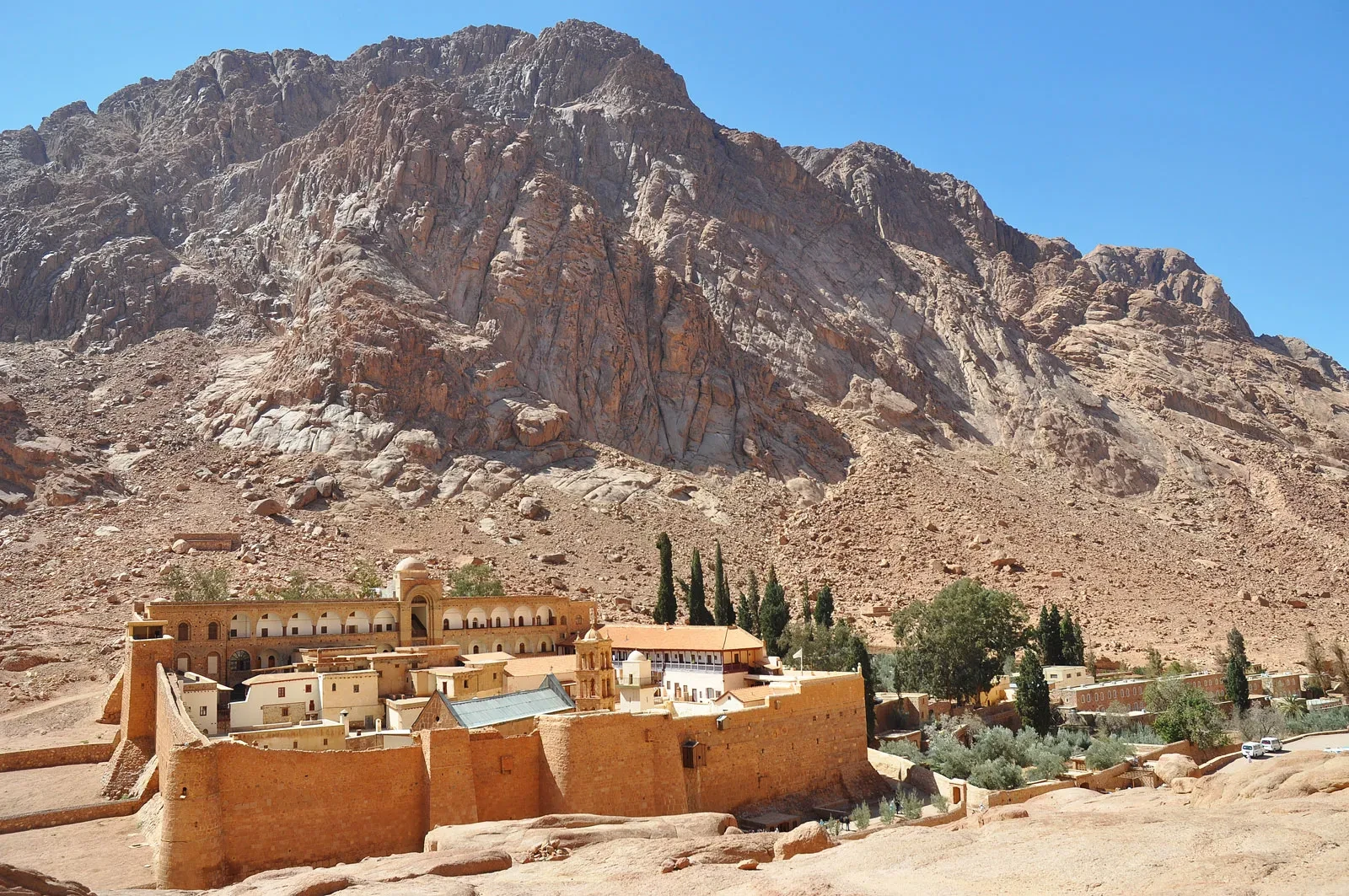
Offering hospitality to two of Egypt's largest and most culturally endowed places of pilgrimage are Mount Sinai and St. Catherine's Monastery. Mount Sinai, perhaps one of the more spectacular features on the rugged terrains of the Sinai Peninsula, is said historically to be the site on which Moses received the Ten Commandments. Below it lies the ancient monastery of St. Catherine that is a UNESCO World Heritage Site and one of the world's oldest Christian monasteries in continuous operation. Hedged between spectacular desert scenery, this sacred sanctuary marries deep religious history, awe-inspiring landscape, and sheer tranquility to create an experience not to be missed by any traveler-sojourning either for pilgrimage or keen on history and adventure.
Why St. Catherine's Monastery Matters
St. Catherine's Monastery is being a place of deep religious, historical, and cultural importance. It is located at the foot of Mount Sinai in Egypt, one of the oldest and most famous Christian monastic centers in the world. Among other matters, I could mention the following aspects concerning its importance:
Historical Significance: The monastery is supposed to have been built near the site where Moses saw the burning bush, a very important event in the Bible. Also, close by Mount Sinai is said to have been where Moses was given the Ten Commandments by God.
Spiritual Significance: For over 1,400 years, the monastery has served as a key pilgrimage destination for both Christians and Muslims. Dedicated to The house is the 4th-century Christian martyr St. Catherine of Alexandria. This house keeps one of the most important religious collections in the world, including one of the very rare Christian libraries that have been in operation for about 1,600 years, containing mainly ancient manuscripts and sacred literature.
Cultural & Historical Value: Highlighted by UNESCO as a World Heritage Site and by many as the highest form of Byzantine architecture and art in preservation. Its rich collection of icons, manuscripts, and early Christian relics offers unrivaled insight into the genesis of monastic life and early Christianity.
Religious Harmony Symbol: The monastery is also a symbol of religious cooperation. For centuries, the monastery has provided an eminently sacred place where Christian monks, as well as local Muslim Bedouins, cohabited peacefully while the Bedouins traditionally have been acting as protectors of the site.
How to Visit Saint Catherine Monastery
Saint Catherine’s Monastery is set down deep at the foothills of Mount Sinai in the Southern Sinai Peninsula of Egypt. The rocky mountain desert surrounds it, with the town of Saint Catherine along for the ride at an altitude of roughly around 1550 meters. The monastery is one remote cluster itself along the far larger constellation of Sinai mountain ranges, located nearly 200 kilometers to the east of Suez, and about 500 kilometers from Cairo. Its position near the ever-sacred Mount Sinai has retained a heavy weight deriding it as a place to be visited by pilgrims and tourists of both Christian and Islamic faiths.

History of St. Catherine’s Monastery in Egypt
With more than a thousand years of religious and cultural relevance, St. Catherine's Monastery has become one of the world's most cherished sacred sites, admired not only in Egypt but throughout the world.
Religious Origins and Early Development
At the foot of Mount Sinai, a mountain long considered the location where Moses heard the voice of God and received the Ten Commandments, the origins of the monastery have significant biblical connotations. This site is also connected with the Burning Bush: the place in which God revealed himself to Moses, as noted in the Book of Exodus.
The monastery was founded in the early 6th century by the Byzantine Emperor Justinian I, who reigned from 527 to 565 AD. Understanding the site’s sacred value, he commissioned the construction of a fortified monastic community centered around a chapel dedicated to the Transfiguration of Christ, which remains the spiritual heart of the monastery.
History of Difficulties and Defense
In light of its history, the monastery has faced invasions and political conflict, as well as challenges from nature. Its solid stone fortifications and location amid the Sinai Mountains have assured its survival. Over the centuries, the Bedouin tribes of the area became reliable guardians of the monastery, building a relationship of mutual assistance and respect with the monks that called the monastery home, ensuring safety and preservation of monastic life.
UNESCO World Heritage Status and Protection
Previously, the monastery has protected both its spiritual practice and magnificent architecture. Today, a small monastic community has remained at the site who carry out the sacred meaning of the site. In 2002, UNESCO established St. Catherine's Monastery as a World Heritage Site because of its extraordinary contribution to religious history, heritage, and Byzantine art. The monastery is also famous for its priceless collection of icons, mosaics, manuscripts, and frescoes, much of which have survived due to its relatively remote location.
St. Catherine’s Monastery Today for Visitors
Today, the monastery is a destination for thousands of pilgrims and travelers each year, regardless of religious tradition (Christian, Muslim, Jew), who come to experience the spiritual and cultural atmosphere, to appreciate the art and architecture, and to connect with the monastery's ancient history. In addition to its religious significance, the monastery is institutionally alive as a witness to interfaith dialogue, history, and human devotion.
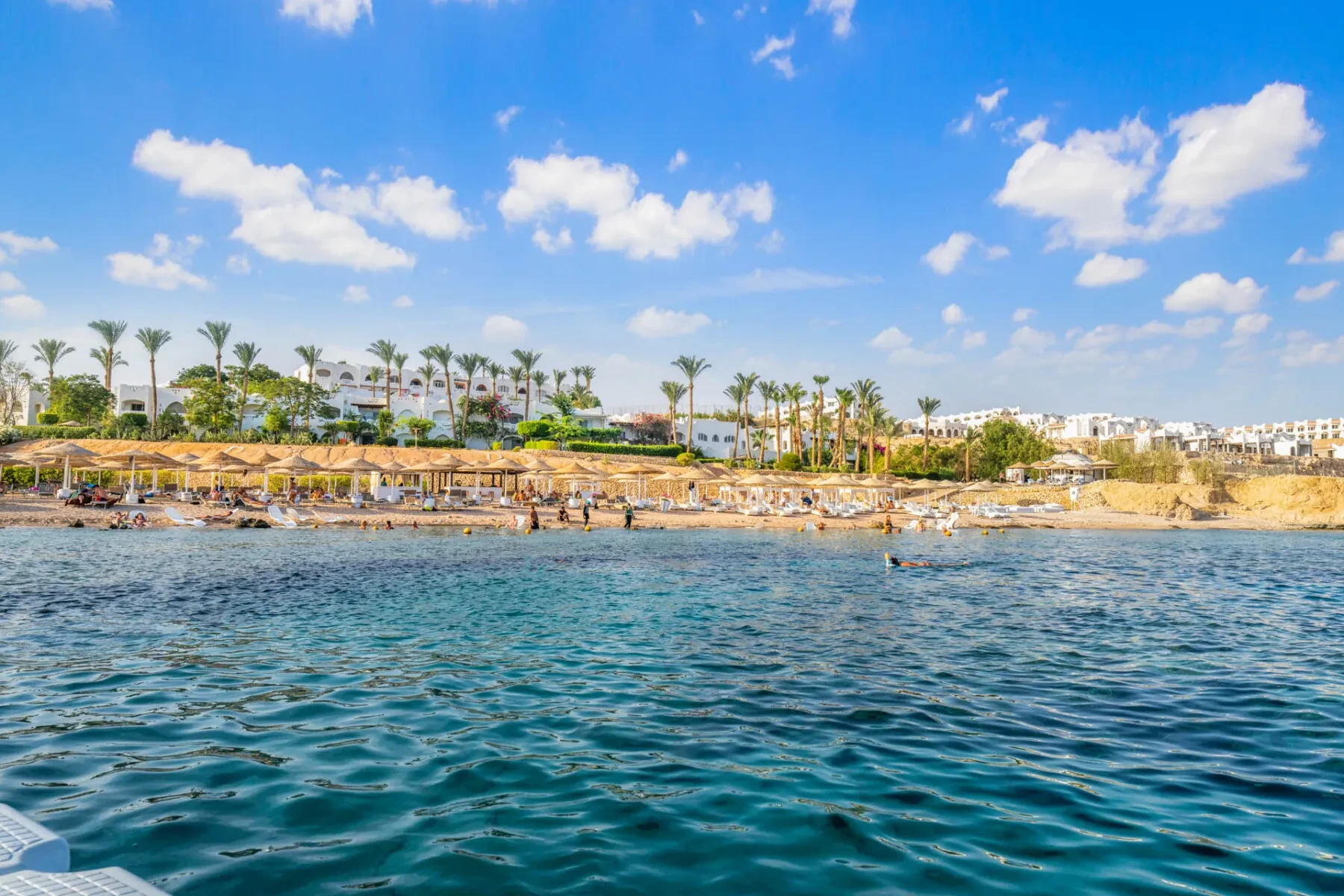
Going to St. Catherine's Monastery is more than spirituality. It is also a cultural activity. Many tourists combine their visit with a trip to Sharm El Sheikh, where they may enjoy the calm atmosphere of the monastery along with relaxation, water sports, and sightseeing at the Red Sea. This makes for a rather rare way to experience Egypt: faith, history, and leisure placed together.




-webp.webp)
-webp.webp)

-webp.webp)