

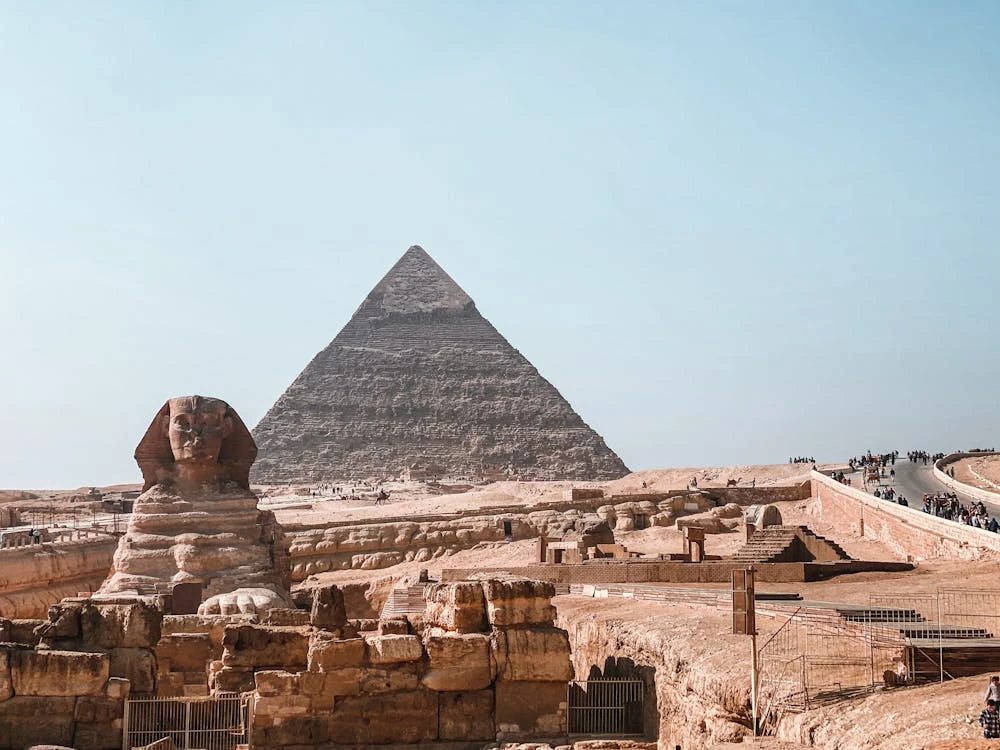
The Great Sphinx of Giza stands as one of ancient Egypt’s most iconic monuments, with its lion’s body and human head symbolizing strength and wisdom. Located prominently in the Giza Necropolis, it sits in historic harmony with the Pyramids of Giza, making it a must-see for any traveler in Egypt. A day exploring Cairo naturally leads to a visit to the Sphinx, where visitors can delve into its fascinating history. Surrounding historical attractions add depth to the experience, ensuring a full and memorable day.
Discover the Great Sphinx of Giza: Facts and Legends
A Marvel of Stone and Scale
The Great Sphinx of Giza is an extraordinary statue, measuring approximately 20 meters tall and 73 meters long, combining the body of a lion with a human head. Carved directly from the limestone bedrock of the Giza Plateau, it showcases the ancient Egyptians’ remarkable artistic skill and technical craftsmanship. Its scale alone impresses, but the precision and vision required to create such a massive figure speak volumes about the builders’ expertise.
The Sphinx’s head is widely believed to represent Pharaoh Khafre, who ruled during Egypt’s Old Kingdom around 2500 BC. Facing the backdrop of Khafre’s pyramid, the monument embodies royal power and enduring presence. Despite centuries of weathering, its monumental significance remains undeniable.
Theories of Its Erection
Although the exact purpose and date of construction are still debated, most Egyptologists agree that the Sphinx was built during Khafre’s reign, likely around the same time as the Second Pyramid at Giza. Its creation may have served to reinforce the king’s authority and divine stature.
Symbolism and Purpose
The Sphinx symbolizes both lion-like strength and human wisdom, representing royal power and a divine connection. Some scholars suggest it had religious significance, linked to Ra, the sun god, with its eastward orientation serving as guardianship over the pyramids.
The Missing Nose
One of the most famous features of the Sphinx is its missing nose. Various theories attempt to explain its absence, including damage during religious iconoclasm or by invading forces, though no definitive answer exists.
Mysteries and Riddles
The Great Sphinx has fascinated scholars and travelers for centuries. Some suggest it may predate Khafre and could be connected to his father, Pharaoh Djedefra. The monument continues to inspire intrigue and debate, standing as both a historical marvel and a symbol of Egypt’s enduring mysteries.
The Location of the Great Sphinx of Giza
The Great Sphinx is situated on the Giza Plateau, just outside Cairo, Egypt, approximately 12 km (7.5 miles) southwest of downtown. It lies near the right bank of the Nile River and adjacent to the Pyramids of Giza, including Khufu’s Pyramid, forming one of the world’s most significant archaeological complexes. The Sphinx’s precise coordinates are 29.9753° N, 31.1376° E, making it easily locatable for visitors and researchers alike.
Things to Do at the Great Sphinx of Giza
Visiting the Great Sphinx of Giza offers a truly memorable experience filled with history, culture, and stunning visuals. Here’s what you can enjoy:
Admire the Monument: Stand before the Sphinx and marvel at its majestic lion’s body and human head, a masterpiece of ancient Egyptian craftsmanship.
Photography: Capture breathtaking photos from different angles, especially with the Pyramids of Giza as a backdrop.
Visit the Nearby Museum: Explore a small museum at the foot of the Sphinx, showcasing artifacts and the history of the monument, including ongoing conservation work.
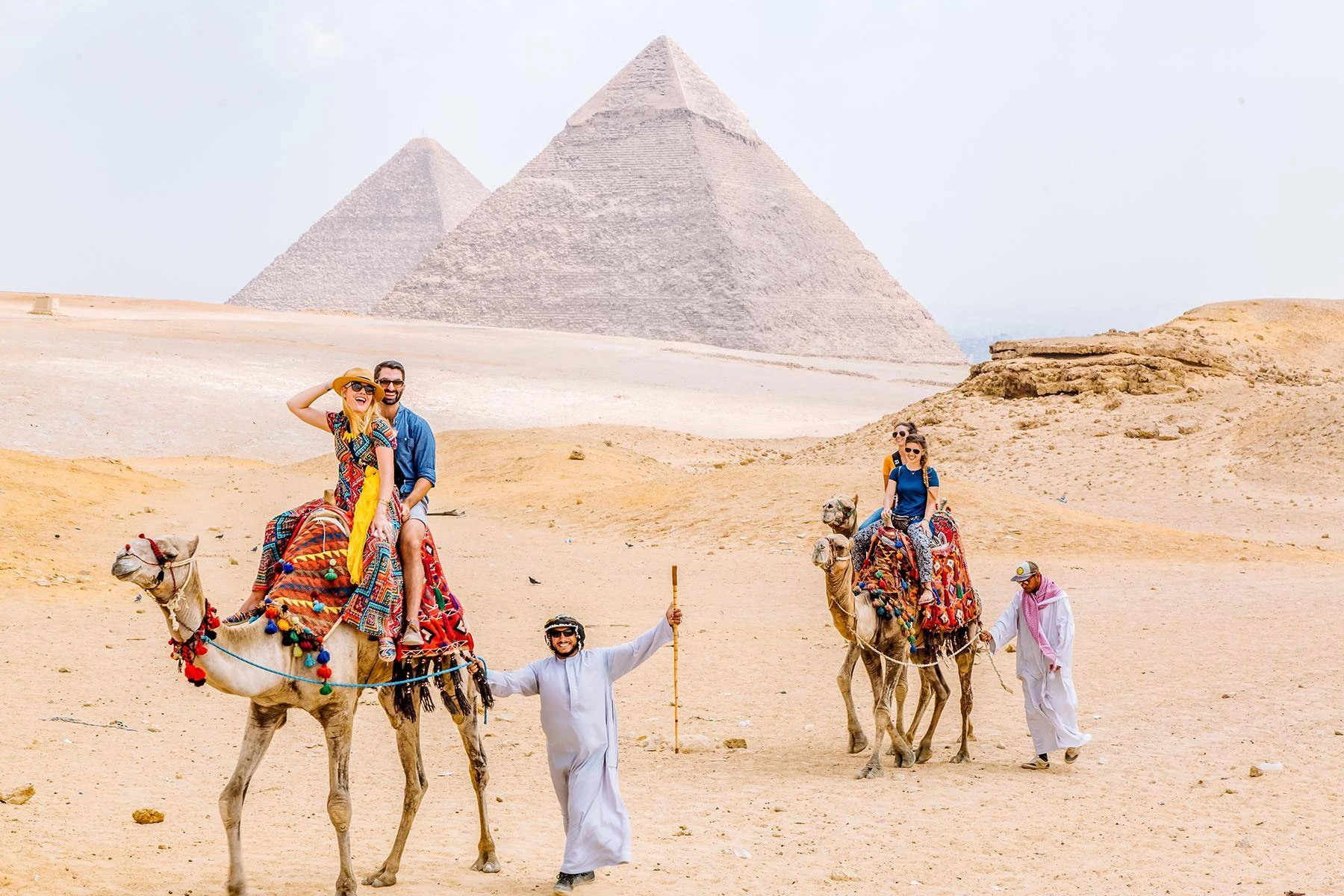
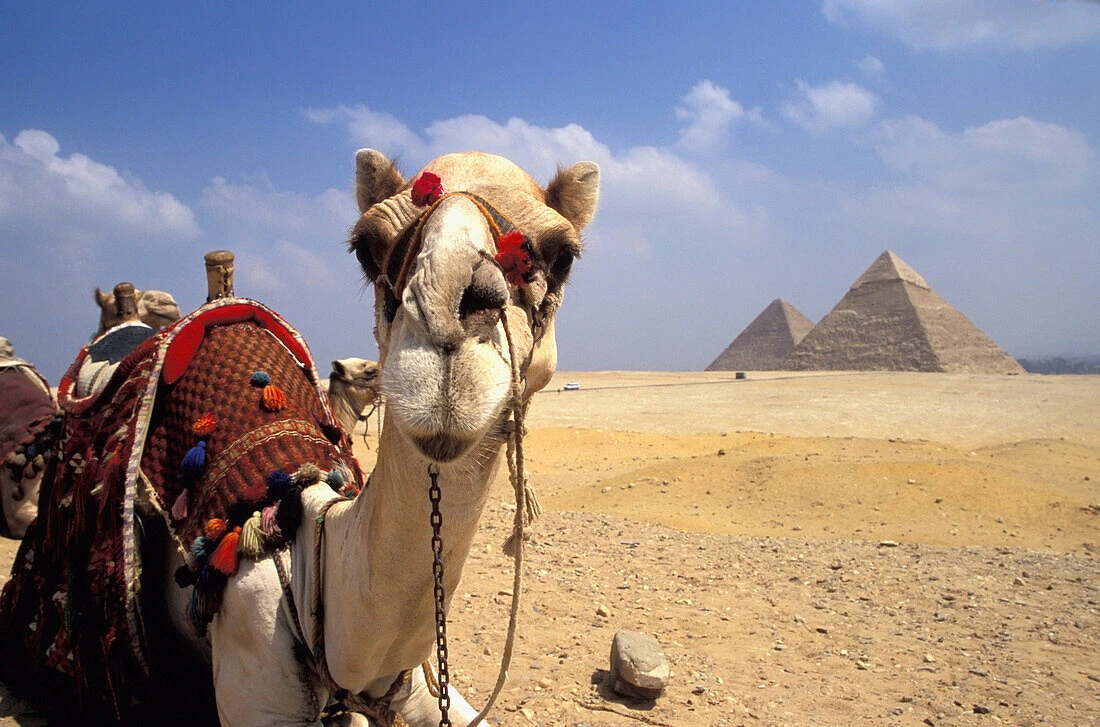
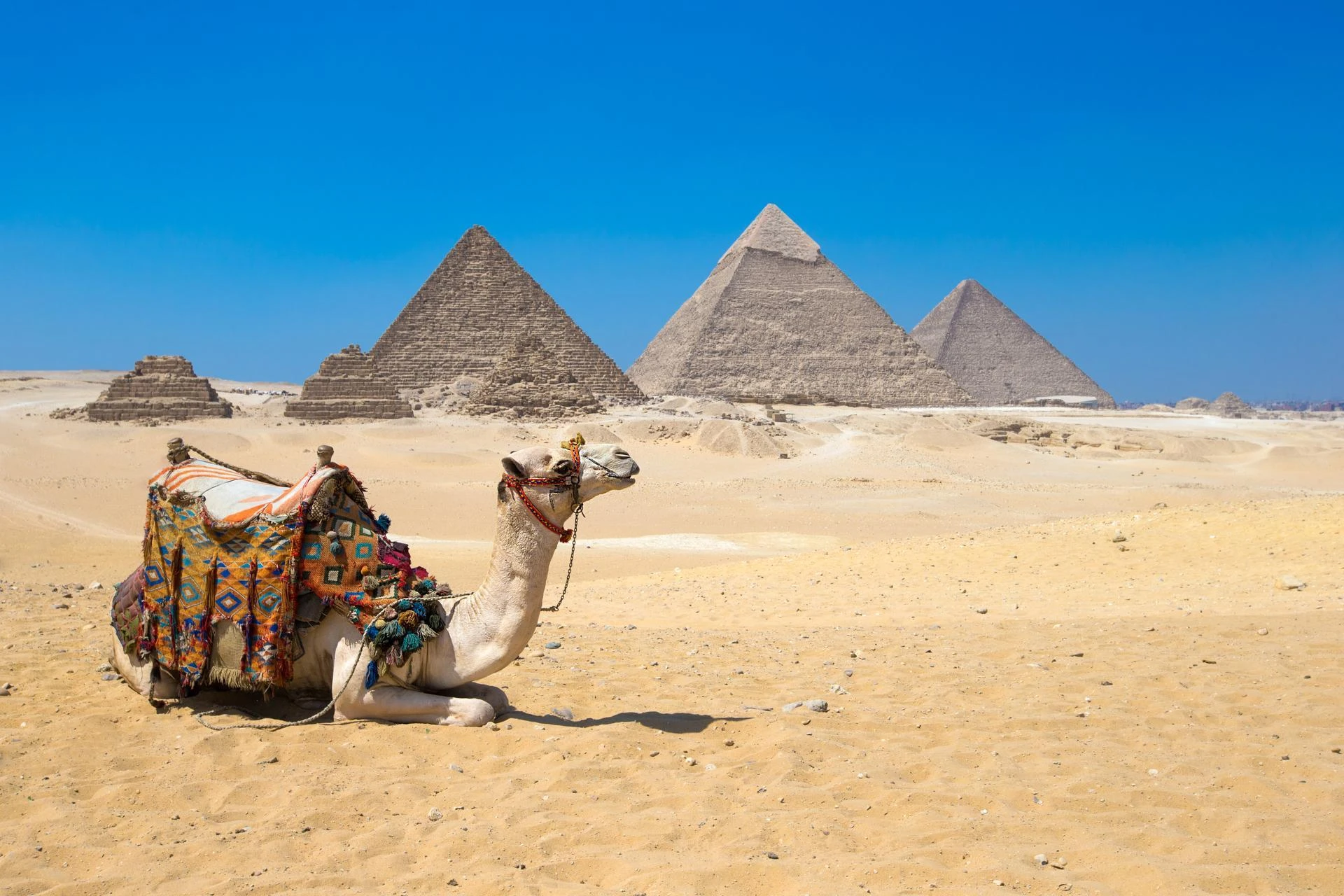
Camel Rides: Immerse yourself in a traditional Egyptian experience with camel rides around the Sphinx and the Pyramids.
Guided Tours: Learn fascinating details about the Sphinx and surrounding monuments from knowledgeable local guides.
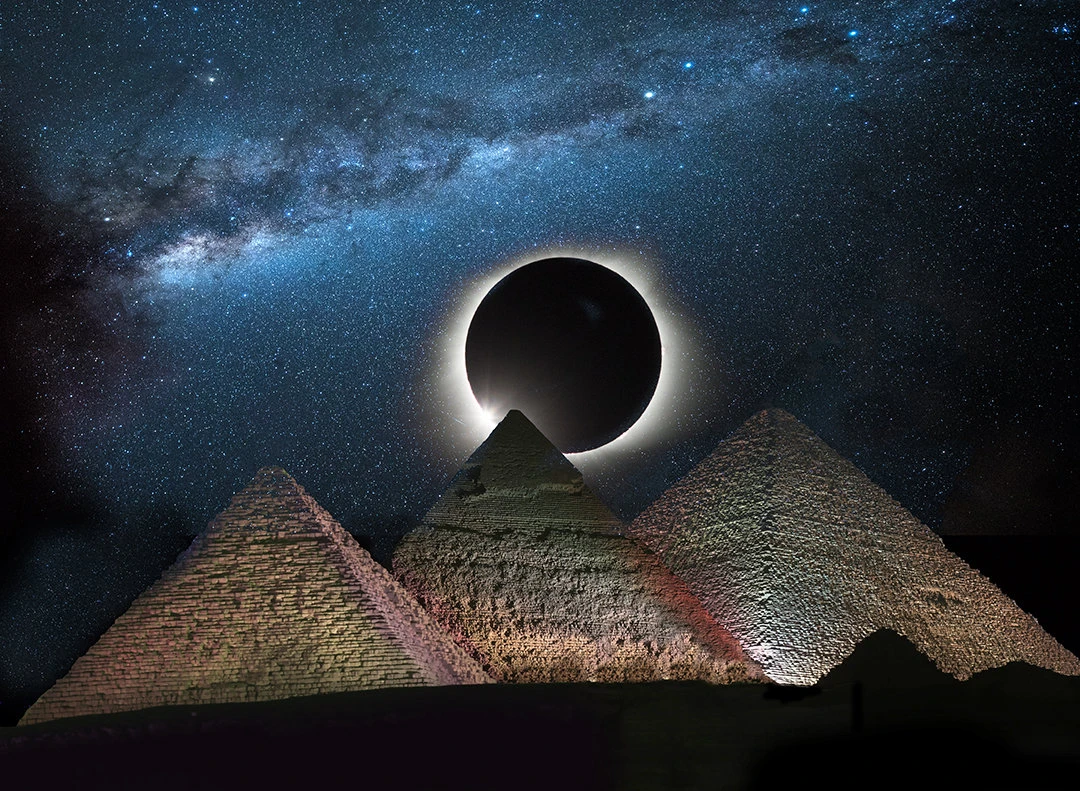
Sound and Light Show: In the evening, witness world-class Sound and Light shows that bring the Sphinx and Pyramids to life with stunning visuals and storytelling.
Explore the Pyramids: Enter selected pyramids of Khufu, Khafre, or Menkaure and see their burial chambers without strenuous climbing.
Visit the Valley Temple: Discover the nearby Valley Temple of Khafre, historically linked to ancient embalming and funerary rituals.
Panoramic Views: Enjoy sweeping views of the Sphinx, pyramids, and surrounding desert—perfect for sunrise and sunset photography.
Local Shops: Browse nearby shops for statues, jewelry, and traditional Egyptian crafts to take home as souvenirs.
The Great Sphinx of Giza remains an eternal emblem of ancient Egypt. Beyond its historical significance, a visit offers an unforgettable connection to the country’s rich heritage and culture, making it a must-see on any Egypt tour.
-webp.webp "10-Day Classic Tour to Cairo, Aswan, Luxor, and Hurghada")




-webp.webp "3 Days Family Tours Egypt Explore the Best of Cairo & Alexandria")






-webp.webp)
-webp.webp)

-webp.webp)