

Imagine a period when history turns alive at every corner in Egypt. From the awesome Pyramids of Giza, considered one of the Seven Wonders of the World, to the gigantic temples of Luxor and Aswan, Egypt Classic Tours transport guests back in time to enjoy. See where nations may have appeared and visited world famous sites while soaking in the charm of a land that has drawn explorers, archaeologists, and historians for centuries.
Timeless Cairo Travel Guide: Top Sights and Experiences
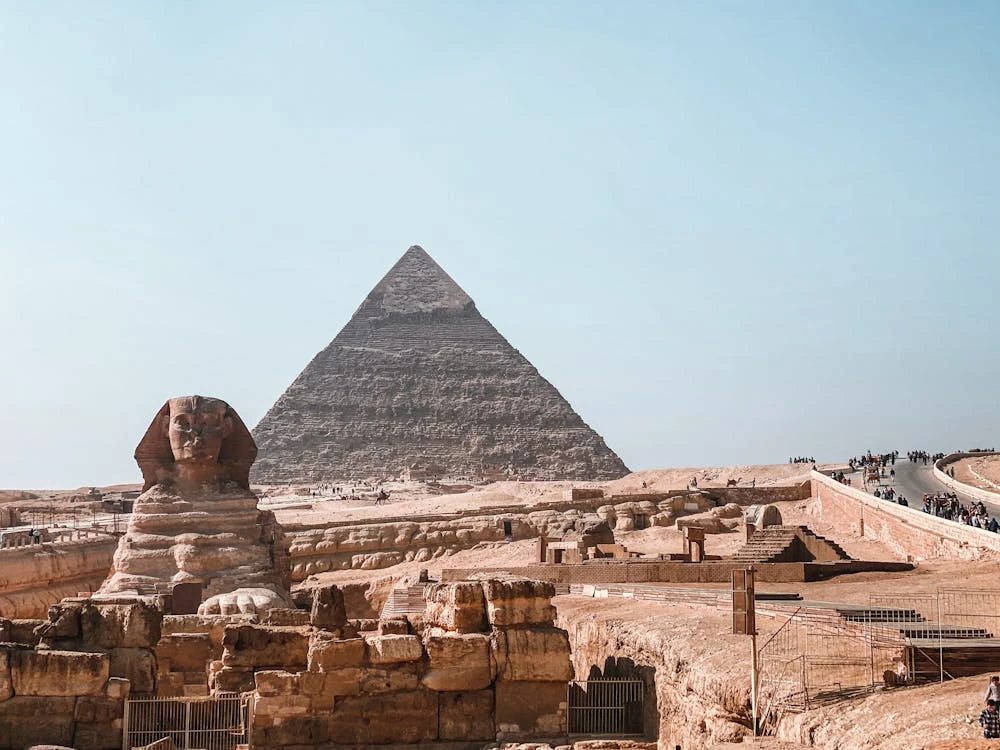
Cairo is a city so unique. In it, ancient wonders rise to the rhythm of life. From such timeless monuments as the Pyramids of Giza standing tall to the lonely sentinel of the Great Sphinx carved out of limestone and stone, stories of Egypt’s ancient past are told. Amidst the heart of Cairo, albeit with some political connotations, Tahrir kindlily shelters the grand Egyptian Museum, where King Tutankhamun’s golden mask, perfectly preserved mummies, and beautifully carved artifacts bring history alive. Cairo, and these icons among innumerable others, is undoubtedly one of the most fascinating cities in the world.
Islamic Cairo affords a panorama of centuries of architecture and artistic heritage that is alive and vibrant. Twisting streets reveal mosques and historic buildings of Naples and the entire region, bearing witness to the Islamic heritage of the city along the Nile. Sitting on top of a hill, with views sprawling all over Cairo, is the Citadel of Saladin, with the fine Mosque of Muhammad Ali, decorated with Ottoman domes and tall minarets, standing as a symbol of the city's everlasting charm.
This must be a place of Egypt's Christian legacy in Coptic Cairo. Narrow little streets open into some of the oldest churches in the land, including the Hanging Church, elevated graciously above a Roman gate. Within a short walking distance lies the Coptic Museum, home to rare icons, manuscripts, and artifacts, thus presenting a glimpse into the beginnings of Egyptian Christianity.
Past Cairo, the Nile calls for another journey. The eastern sights from Luxor to Aswan feature majestic temples, royal tombs, and the calm ruins along the river. Each tells the myriad stories of Egypt's rich history and vibrant present: Karnak Temple to the farthest brim, the enigmatic Valley of the Kings and Philae Temple serene in charm.
Cairo Adventures You Can’t Miss
The Pyramids of Giza & Great Sphinx: Either ride camels around the pyramids for the truly iconic Egyptian wonders, or go inside a tomb to learn more about ancient burial rites and the lives of pharaohs.
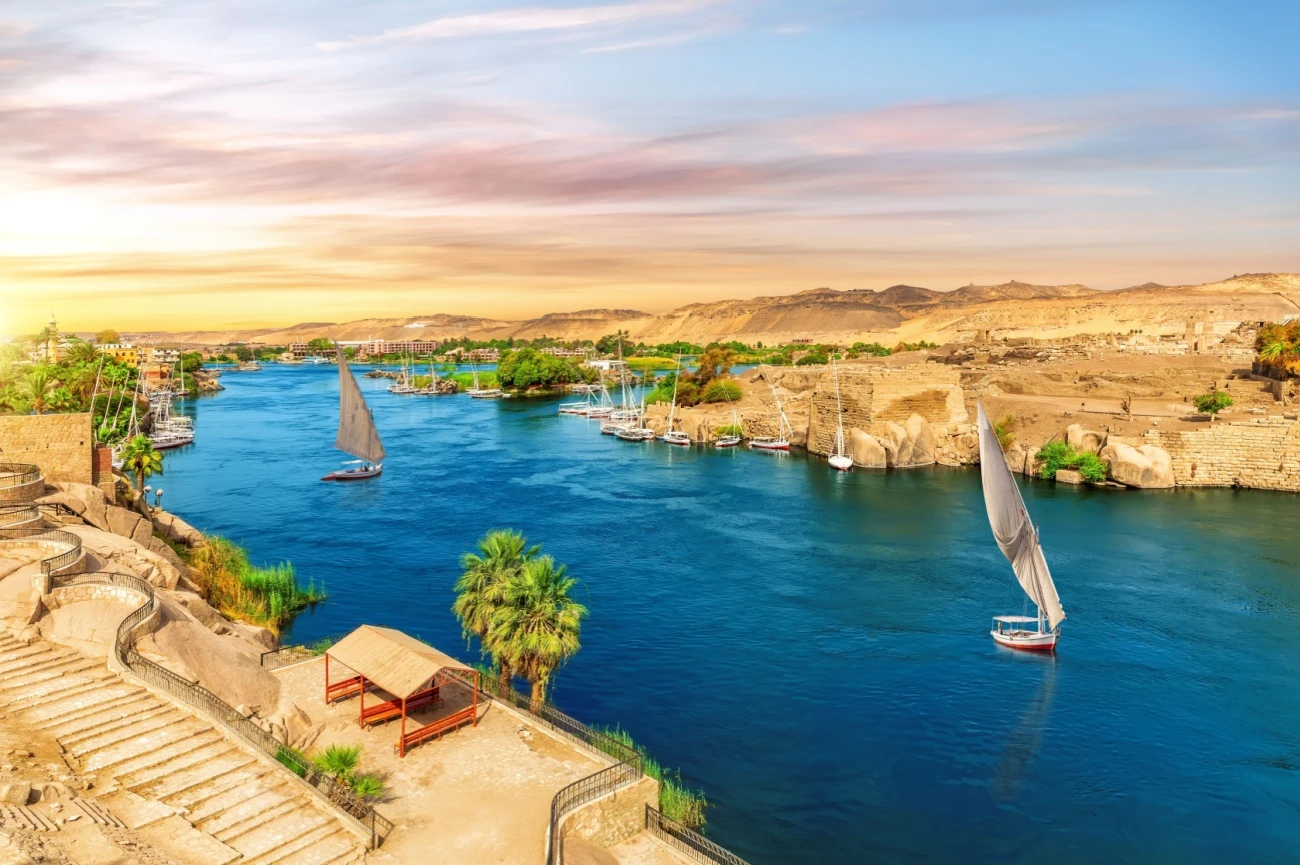
Nile River Cruise: Have a casual sail down the Nile aboard a traditional felucca, or dine in style aboard a cruise with live entertainment, watching the sun slide down over Cairo's skyline.
Khan El Khalili Bazaar: One of the oldest markets in the Middle East, this lively bazaar is full of spices, perfumes, textiles, jewelry, and souvenirs. It is certainly the place to catch the vibe of the culture of Cairo.
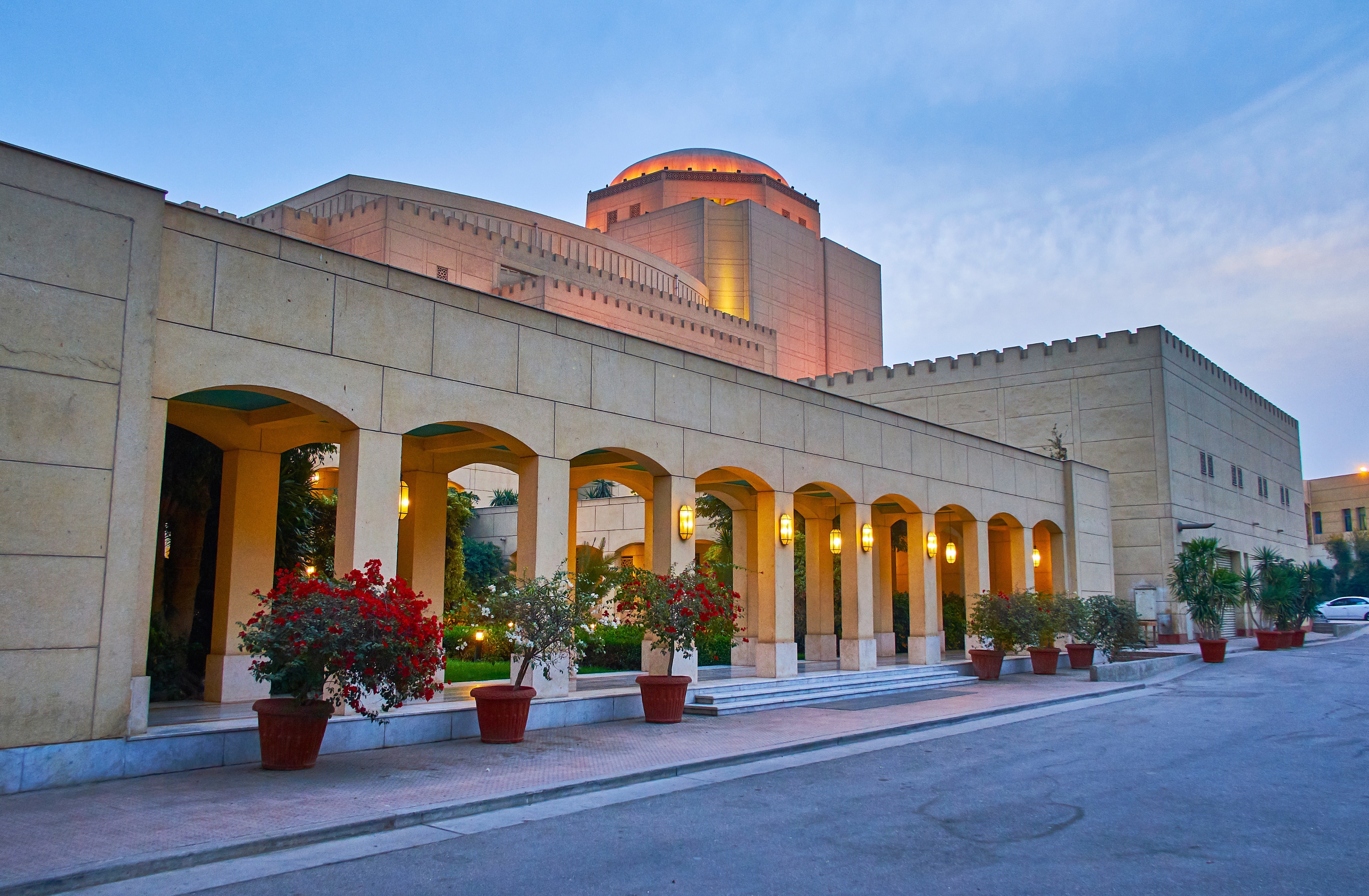
Cairo Opera House: Lovers of art and culture are presented with an array of performances, including classical music, ballet, and modern Egyptian productions giving insight into the rich artistic scene of the country.
The Wonders of Luxor and the Ancient World
Valley of the Kings: As one of Egypt's most famed archaeological treasures, the Valley of the Kings must be seen by history buffs. This enormous necropolis contains tombs of various pharaohs and nobles and provides a view into the ancient burial systems and their royal traditions unlike any other.
Luxor Temple: Situated on the east bank of the Nile, Luxor Temple was built in honor of the god Amun. The temple was built by Pharaoh Amenhotep III and was later extended by Ramses II. With its big entrance, large statues, and gigantic pylons, it forms the living heart of Luxor's architectural heritage.
Temple of Hatshepsut: This wonderful mortuary temple stands carved into the cliffs of Deir el-Bahari on the west bank of the Nile, dedicated to Queen Hatshepsut. Its terraces, colonnades, and reliefs demonstrate the architecture of ancient Egypt, displaying something of timeless beauty.
The Colossi of Memnon: are two giant statues of the pharaoh Amenhotep III located on the west bank of the Nile where he had a mortuary temple built. The statues were once noted for the mysterious singing sound they produced at sunrise, and they're still impressive to see today.
Valley of the Queens: Near to the Valley of the Kings, it was an area meant for the pharaoh's wives and children. The tombs had beautifully painted frescoes that told the story of Egypt's royal families.
Luxor Museum: Recently established, this museum holds statues, mummies, and other materials from temples and tombs in Luxor, thus allowing the visitors to know more about the history of this interesting town.
Best Things to Do in Luxor
Hot Air Balloon Ride: Witness the sunrise over Luxor from a breathtaking balloon flight with views of the Nile, temples, and the Valley of the Kings.
Nile River Cruise: A scenic and memorable way to visit the famous river sites of Egypt, including Edfu Temple, Kom Ombo, and Philae Temple, while soaking in the serene beauty of the river, is to cruise down the Nile between Luxor and Aswan.
Must See Classic Attractions in Aswan
Philae Temple: On a magic island in Lake Nasser, rests the Philae Temple, a temple dedicated to the goddess Isis. Considered one of the most picturesque and historically important sites of Aswan, it has inscriptions of immaculate nature and detailed reliefs.
Aswan High Dam: The Aswan High Dam, a modern engineering masterpiece, controls the Nile's flow, supplies irrigation, and provides power for Egypt. This colossal structure affords a view over the expanse of Lake Nasser and the vast desert beyond.
The Unfinished Obelisk: Sculpted from the bedrock itself, this massive obelisk imparts to us the methods that the ancient Egyptians used to work their stones. Had it been finished, it would have been the tallest obelisk ever set up, revealing the grand scale of ancient Egyptian craftsmanship.
Kom Ombo Temple: Found on the banks of the Nile, the temple is a rare double sanctuary dedicated to two gods: Sobek, the crocodile god, and Horus, the falcon-headed god. The temple has an exact symmetrical design wherein separate entrances and sanctuaries mark out one to each god, which is why it must be considered among Egypt's most unusual temples.
The Nubian Museum: It takes its visitors on a journey deep into the history and culture of Nubia, a civilization that flourished in southern Egypt for many centuries.
Elephantine Island: Situated in the river opposite Aswan, Elephantine Island boasts ancient ruins, including temples built for Khnum and Satet. The island is further known for its traditional Nubian villages, delving into the culture and traditions.
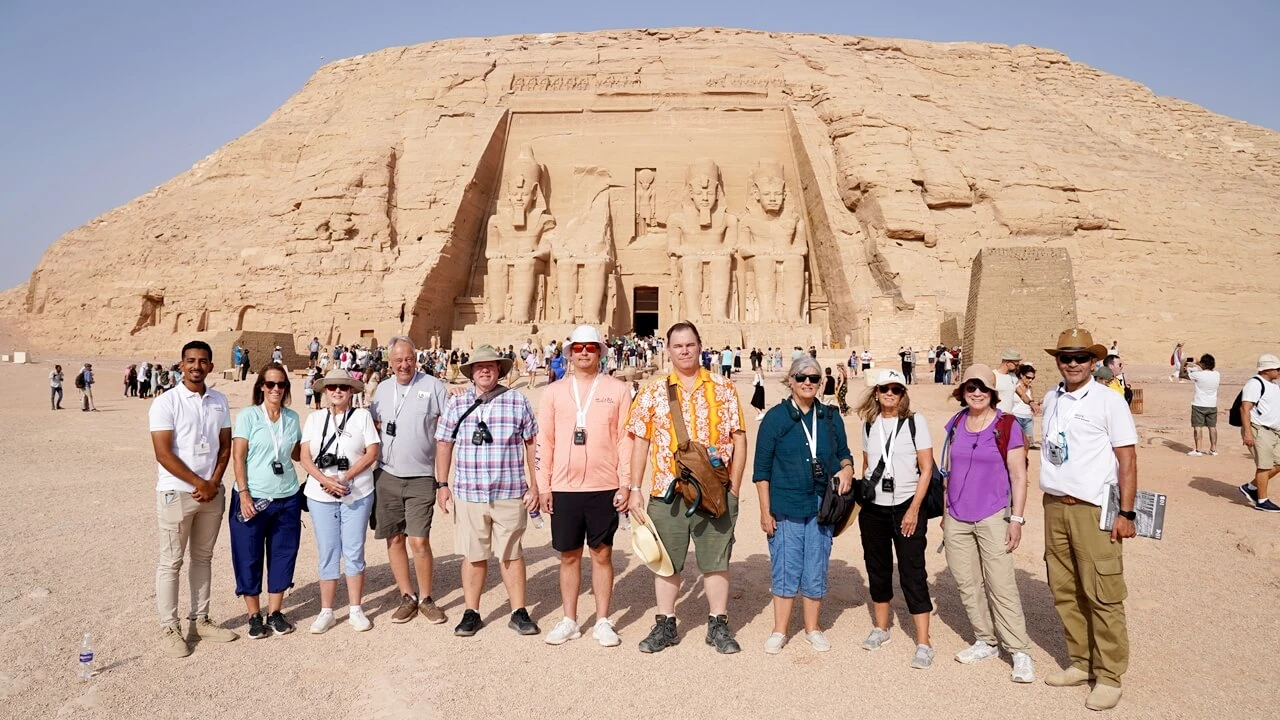
Abu Simbel Temples: It is one among Egypt's most famous monuments, and it is celebrated for huge statues and detailed quadrangle carvings, along with the superimposition of scenes. It is a breathtaking example of ancient Egyptian grandeur that continues to intrigue visitors from all around the globe.


-webp.webp "10-Day Classic Tour of Cairo, Aswan, Luxor, and Hurghada")


-webp.webp)
-webp.webp)

-webp.webp)