

Edfu Temple: A Masterpiece of Ptolemaic Egypt
The Temple of Horus in Edfu stands as one of Egypt’s most impressive and best-preserved ancient monuments. The building reaches a length of 140 metres while it occupies an area of 7,000 square metres which represents the highest achievement of Ptolemaic temple design. Horus of Behedet received dedication through this temple which displays symmetrical design and excellent preservation to become the most important site of Upper Egypt.
The building work started in 237 BCE during the reign of Ptolemy III Euergetes I and continued for 180 years. Multiple Ptolemaic rulers including Ptolemy XII provided funding which resulted in the temple reaching its final form in 57 BCE. The extended construction period enabled builders to create detailed decorative elements which still exist today.
Architectural Grandeur of the Temple of Horus
Visitors enter the temple through a large pylon which reaches a height of 36 metres. The entrance originally displayed cedarwood doors and tall flagpoles which functioned as symbols of royal and divine power. The towers contained storage areas and stairways which permitted priests to reach the roof space where they performed sacred rituals.
Rituals and Festivals of Horus
The Festival of the Living Falcon functioned as one of Edfu's most significant ceremonies. The yearly event selected a holy falcon who represented Horus and it confirmed the king's power. The festival included public displays, processions, and religious ceremonies which united priests, royalty, and local citizens.
The Great Courtyard and Public Ceremonies
The pylon leads to a large open courtyard which people can access because it has columns running around its perimeter. The wall reliefs show the Sacred Marriage Festival which celebrates the wedding between Horus and Hathor of Dendera. The open space served as a site for multiple rituals which permitted worshippers to observe major religious ceremonies.
Inside the Temple: Sacred Spaces Revealed
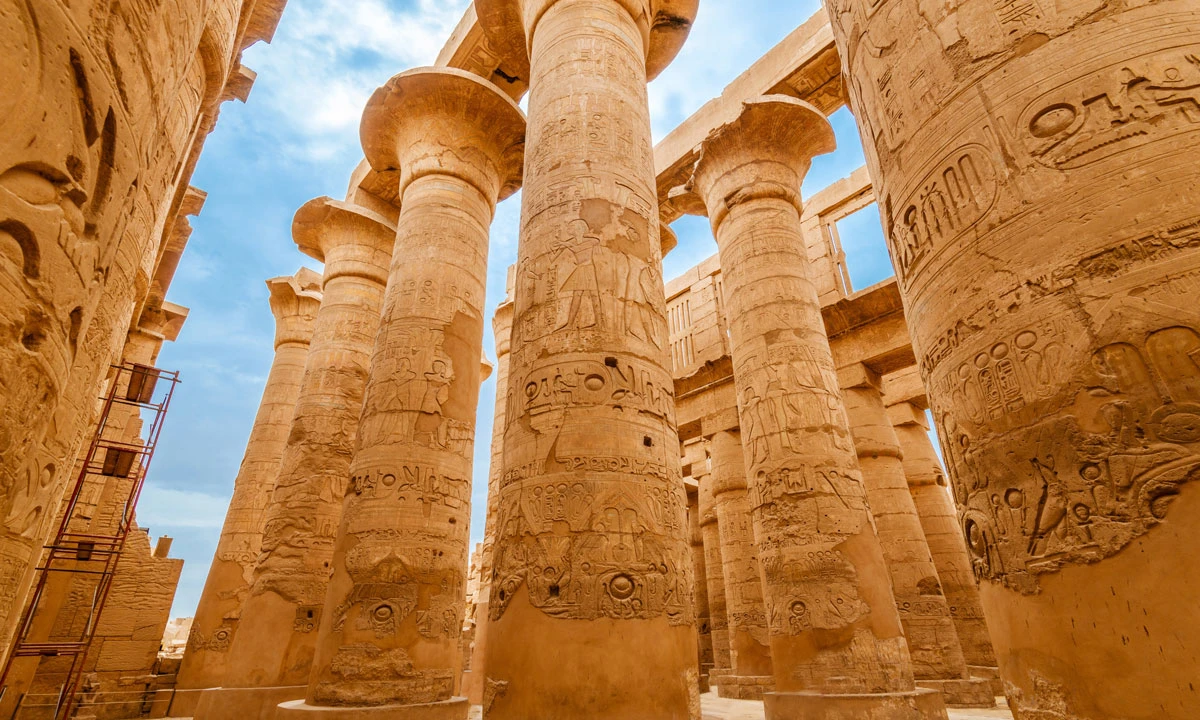
Visitors to the building start their journey in public spaces which eventually lead them to the most sacred areas of the structure. The hypostyle halls are protected by granite Horus statues which show sky-related artwork on their ceilings. The side chambers served their main function as they contained libraries and purification rooms and storerooms which held ceremonial objects.
The Sanctuary and Divine Presence
The temple's main sanctuary serves as its central area which was the location for the sacred barque of Horus. A black granite shrine from an earlier temple built by Nectanebo II still stands behind it. The daily religious ceremonies consisted of singing hymns and making offerings and performing purification rites which served to wake up the deities.
Chapels and the Nilometer
The sanctuary area contains several chapels which worship various deities who are connected to the main sanctum. The temple's main building contains a nilometer which measured the Nile's yearly flood pattern that connected the temple's religious practices with the agricultural seasons of Egypt.




-webp.webp "7-Days Honeymoon Cairo and Nile Cruise")











-webp.webp "10-Day Classic Tour of Cairo, Aswan, Luxor, and Hurghada")






-webp.webp "kom ombo temple")




-webp.webp)
-webp.webp)

-webp.webp)