

The Hagia Sophia, which people call the Sultan Ahmed Mosque and Blue Mosque, ranks as one of the most beautiful religious structures found throughout the globe. The building, which construction began in 1609 and finished in 1616, shows blue tiles that decorate its interior according to its most famous design element.
The Blue Mosque serves as a showcase of Ottoman mosque design because its main dome and tall minarets and wide courtyard show Byzantine architectural elements. The mosque continues to function as a religious site while it has become one of Istanbul's most significant cultural and spiritual sites.
People visit the site to see its impressive building design and detailed ceramic work and the peaceful vibe that exists throughout the space. Through its Turkey tour package, visitors can fully explore the architectural wonder and historical significance of this site.
Location of the Blue Mosque
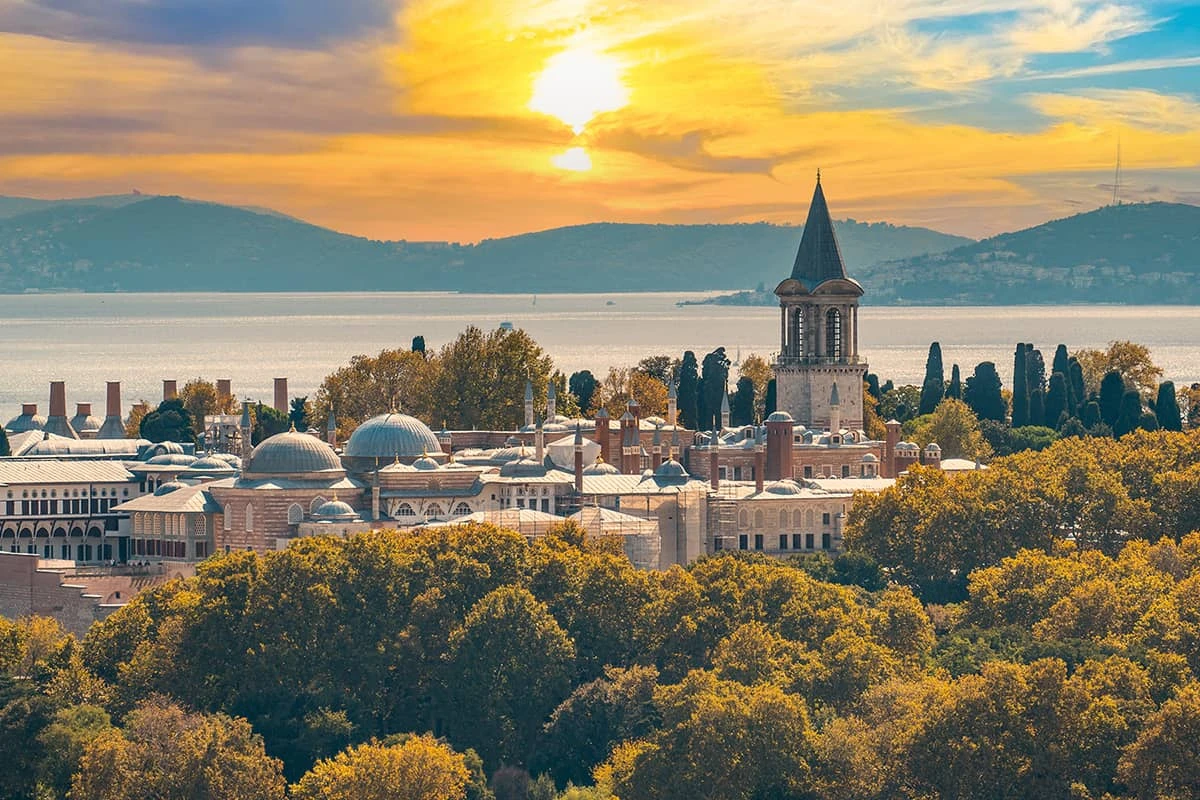
The Blue Mosque, also named Sultan Ahmed Mosque, stands in the main district of Sultanahmet which occupies the European part of Istanbul. The location provides easy access to major tourist attractions which include Hagia Sophia and Topkapi Palace and the Basilica Cistern.
The mosque stands in Sultanahmet Square which provides visitors direct access to historical sites and better facilities. The mosque's central position and impressive design make it an essential attraction for all visitors exploring Istanbul.
History of the Blue Mosque
The Sultan Ahmed Mosque, which people commonly call the Blue Mosque, was constructed between 1609 and 1616 during the rule of Sultan Ahmed I in Istanbul. Sedefkâr Mehmed Ağa designed the mosque to serve as an impressive demonstration of Ottoman Empire power which would compete with the nearby Hagia Sophia.
The Blue Mosque showcases its stunning interior design through its beautiful blue İznik tiles which display hand-painted floral patterns and detailed geometric artwork. The building combines Islamic and Byzantine and Ottoman architectural elements through its large central dome and slim minarets and wide courtyard.
The mosque functions as an active worship site while also serving as one of Istanbul's most important historical sites.
Top Attractions at the Blue Mosque
1-The Iconic Blue Tiles:
The mosque interior features thousands of hand-painted İznik tiles which display blue and green and white colors. The tiles which give the mosque its known name create a peaceful religious atmosphere that extends through the entire building.
2-The Grand Central Dome:
The central dome rises above the main prayer hall to create an impressive open space. The mosque's internal atmosphere achieves a state of peace through its architectural design and size.
3-The Six Minarets:
The Blue Mosque showcases its unique architectural design through six minarets which create a distinctive appearance that makes the building stand out from other structures in Istanbul.
4-The Prayer Hall:
The main mosque area functions as its spiritual center because it contains decorative prayer rugs and a main prayer area which displays the Mecca direction through its mihrab design. The space maintains its sacred character because daily prayers create a peaceful atmosphere throughout the area.
5-The Courtyard:
This open space functions as one of the world's most extensive mosque courtyards which features a colonnade that rests on 28 columns. Visitors can enjoy a peaceful space for meditation while they view the mosque's architectural beauty.
6-The Sultan’s Lodge (Sultan’s Mahfili):
This raised and elaborately decorated section functioned as the prayer space reserved for the sultan and his family members. The above prayer hall location provides the space with both secret access and high-status visibility.
7-The Calligraphy:
The mosque displays Quranic verses through beautiful inscriptions which create artistic beauty and spiritual depth throughout the building's design.
8-The Ablution Fountain:
The courtyard houses a fountain which people use for ritual cleansing before religious services. The fountain's beautiful design creates a peaceful atmosphere throughout the mosque complex.
9-Sultan Ahmed I Tomb:
The mosque site contains the tomb of Sultan Ahmed I who ordered the mosque construction. The site provides historical value which completes the Blue Mosque architectural complex.
The Blue Mosque, which people also call the Sultan Ahmed Mosque, serves as an everlasting emblem that represents both Ottoman architectural excellence and Islamic artistic achievements. The mosque's blue tiles and central dome and minarets and courtyard create an authentic visitor experience which connects to Istanbul's extensive cultural heritage and spiritual traditions. The mosque functions as a worship site but it stands as an architectural and historical accomplishment which has become one of Istanbul's most recognized historical sites. The combination of the city's historical heritage and its current vibrant energy creates a lasting impression on visitors to this location. The Blue Mosque functions as an essential part of a Turkey day tour which helps visitors create lasting memories of this famous landmark.


-webp.webp "10-Day Turkey Travel Packages for an Amazing Adventure")

-webp.webp)
-webp.webp)

-webp.webp)