

The Great Sphinx of Giza is a really massive sculpture, and one of the several wonders in this land of Egypt that has mesmerized so many travelers over the centuries.Symbolizing power with a lion's body and wisdom with a human head, it has always been perceived as an image of the unknown and power. The Sphinx is located on the Giza plateau, next to the famous pyramids, fortunate to share with these structures the honor of being one of the greatest monuments of Egyptian civilization. The Sphinx represents a memorable visit for tourists to Cairo, allowing them the chance not only to view it due to its great size, but also learn the history and legends associated with the Sphinx, in addition to the nearby treasures of the necropolis.
The Most Important Monuments of Egypt
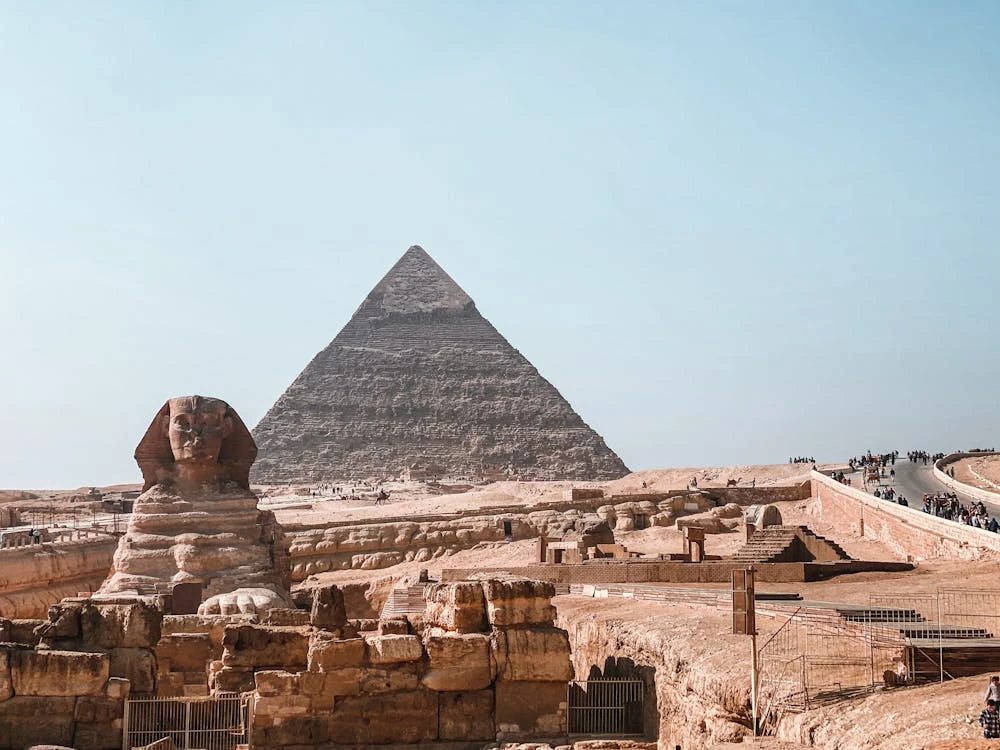
The Great Sphinx is one of the greatest feats of ancient engineering, and it rises from the desert of Giza. Over 20 meters tall and almost 73 meters in length, it has a lion's body and a human's head, making it by far the largest statue carved from a single block of stone in the world. The size is impressive in itself, but the visitors are often most impressed with the artistry and precision of the carving. It was cut from the plateau's bedrock, and it exhibits the extraordinary ability of the Egyptians as architects and artists.
Most scholars believe that the face is of the Old Kingdom Pharaoh Khafre (ca. 2500 BC). Next to the Sphinx is the pyramid of Khafre, emphasizing the power and authority of the Pharaoh. Although like all monuments it has been weathered and partially destroyed over thousands of years, it has retained its character and is one of the most recognizable monumental symbols of Egypt.
Secrets Behind Its Creation
The true purpose and date of construction of the Great Sphinx have been debated; history would mostly point to its being constructed in the days of Khafre, who was also the patron of the second pyramid at Giza. There is no inscription providing direct proof of this fact, but the archaeological evidence firmly links the statue to his time period. The creation of the Sphinx is still one of the wonders of all time; hence so many lessons and theories have been advanced regarding its role and meaning.
Sacred Importance and Authority
For centuries, the Sphinx has symbolized the concept of authority and protection. The body of the lion communicated strength and dominance, whereas the human face was endowed with wisdom and intellect. Together, these symbols speak of the power the pharaoh had to rule by might and knowledge.
Many Egyptologists think there is some religious significance here: lions were sacred to Ra, the sun god, and the statue's orientation to the east might have been linked to solar worship. With its gaze set upon the rising sun, the Sphinx was possibly meant to serve as both the guardian of the pyramids and, mystically, of the eternal fate of the kingdom.
The Mystery of the Missing Nose
Perhaps the most striking damage to the Sphinx is the absence of its nose. The reason behind this loss has been debated for centuries. Some claim it was deliberately destroyed by iconoclasts during the Middle Ages; others have suggested that French soldiers under Napoleon blasted it away in the 18th century. However, there is no solid proof for the latter theory. What is certain is that the Sphinx’s face once looked very different, and its damaged features add to its aura of mystery.
What Some of the Things We Still Don’t Know
Despite centuries of incidents during which the Great Sphinx has been studied, some questions have remained unanswered. Some researchers argue that it might actually predate the reign of Khafre and therefore might have been carved by his father, Pharaoh Djedefre, or even earlier. There are also theories horizontal that first it was dedicated to a lion god before being associated with a pharaoh. Such doubts continue to fuel the fascination with which the Sphinx is regarded- it is not only a wonder of stone but also one of the eternal riddles in history.
Map and Location of the Great Sphinx
The Great Sphinx finds its abode on the historic Giza Plateau, just outside the bustling modern conurbation called Cairo. Lying near the western bank of the Nile River, it is some 12 kilometers or 7.5 miles southwest of downtown Cairo. This colossal monument disturbs the setting along with one of the seven wonders of the ancient world, the Pyramids of Giza, including the Great Pyramid of Khufu the one and only important archaeological site on the globe. One can place the exact position of the Great Sphinx at a latitude of 29.9753° N and a longitude of 31.1376° E so that it could be identified by any traveler or researcher.
Best Things To Do at the Sphinx
Theories and Spectacular Views: To abuse the phrase, one has to go and stand in front of the Great Sphinx and admire its beauty. The Great Sphinx has a lion’s body and a human head; it is awe-inspiring despite the enormous scale and is the product of sophisticated Egyptian genesis.
A Photographer’s Delight: Make use of every opportunity to shoot some amazing stills with the Great Sphinx of Giza as a backdrop. These pictures become very rare and iconic.
Museum Visit: Behind the Sphinx lies a small museum holding a vast array of objects and exhibits relevant to the statue and its locale. The museum offers captivating information concerning the history of the Sphinx, its importance, and the restoration project underway today on this marvelous ancient wonder.
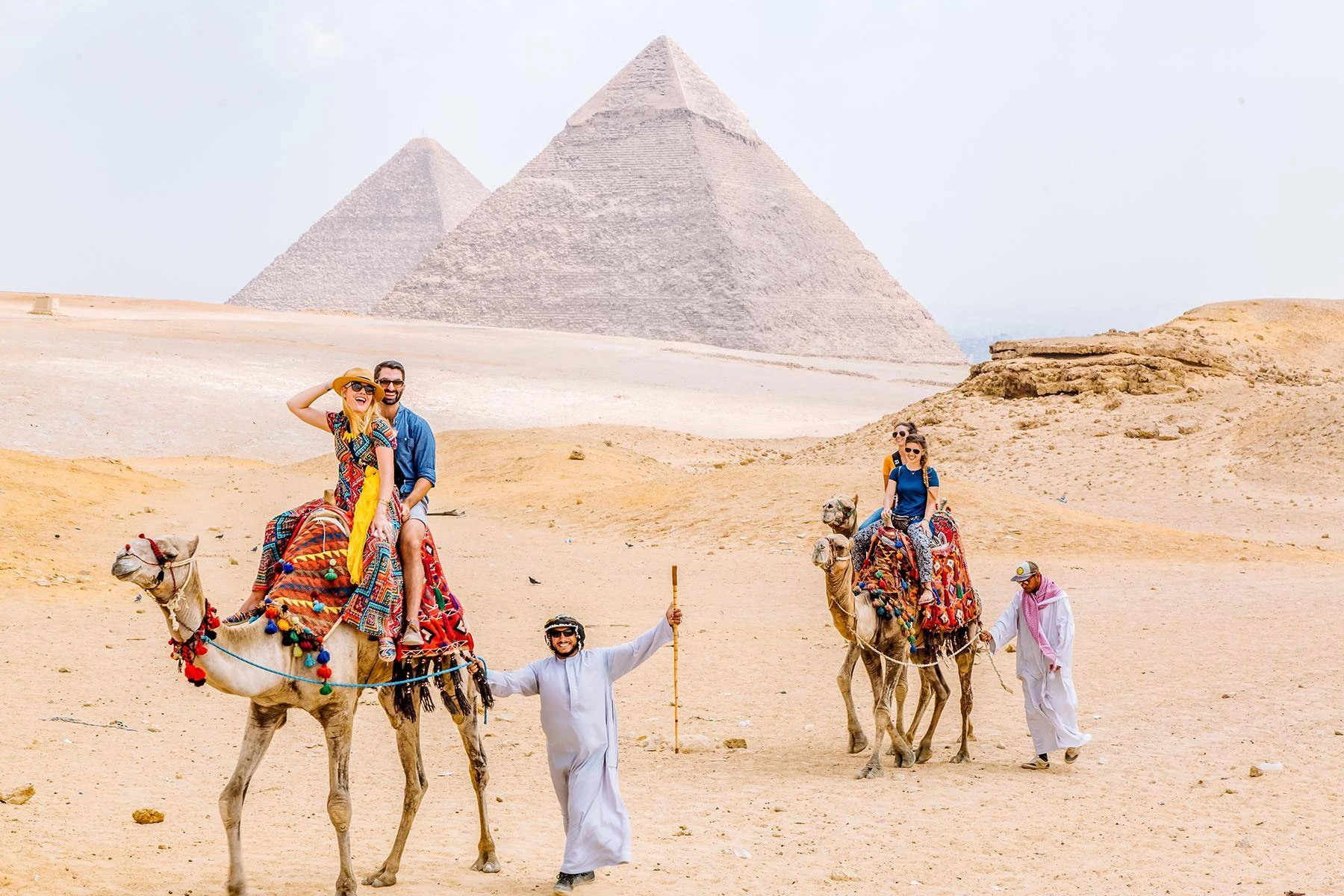
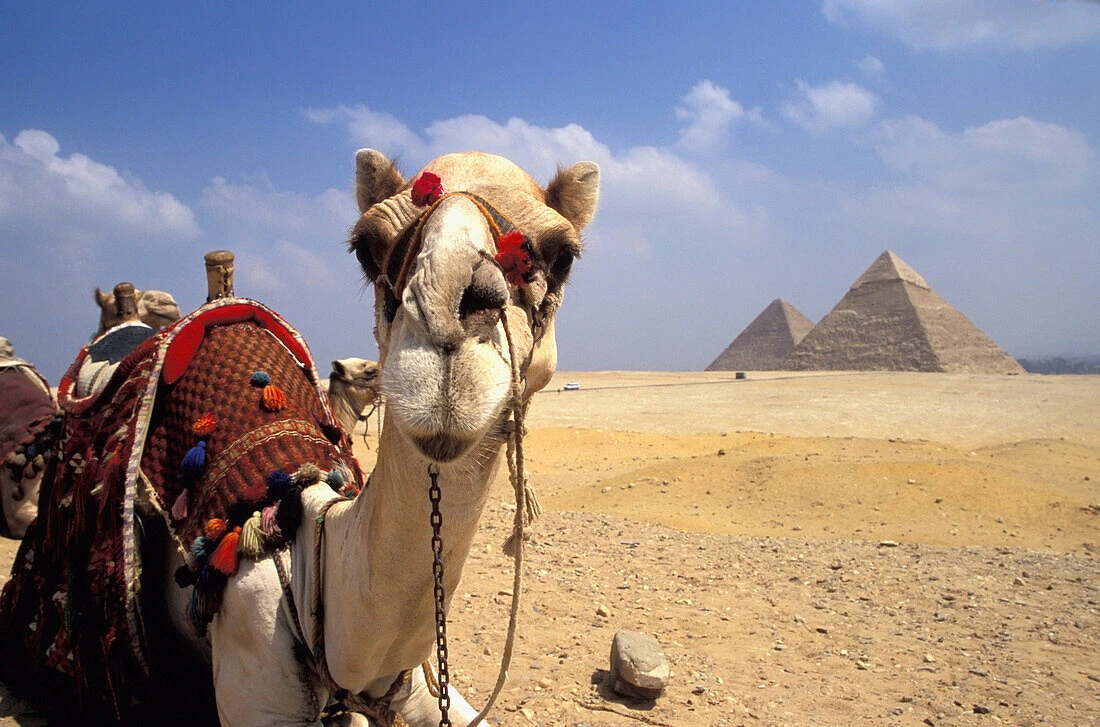
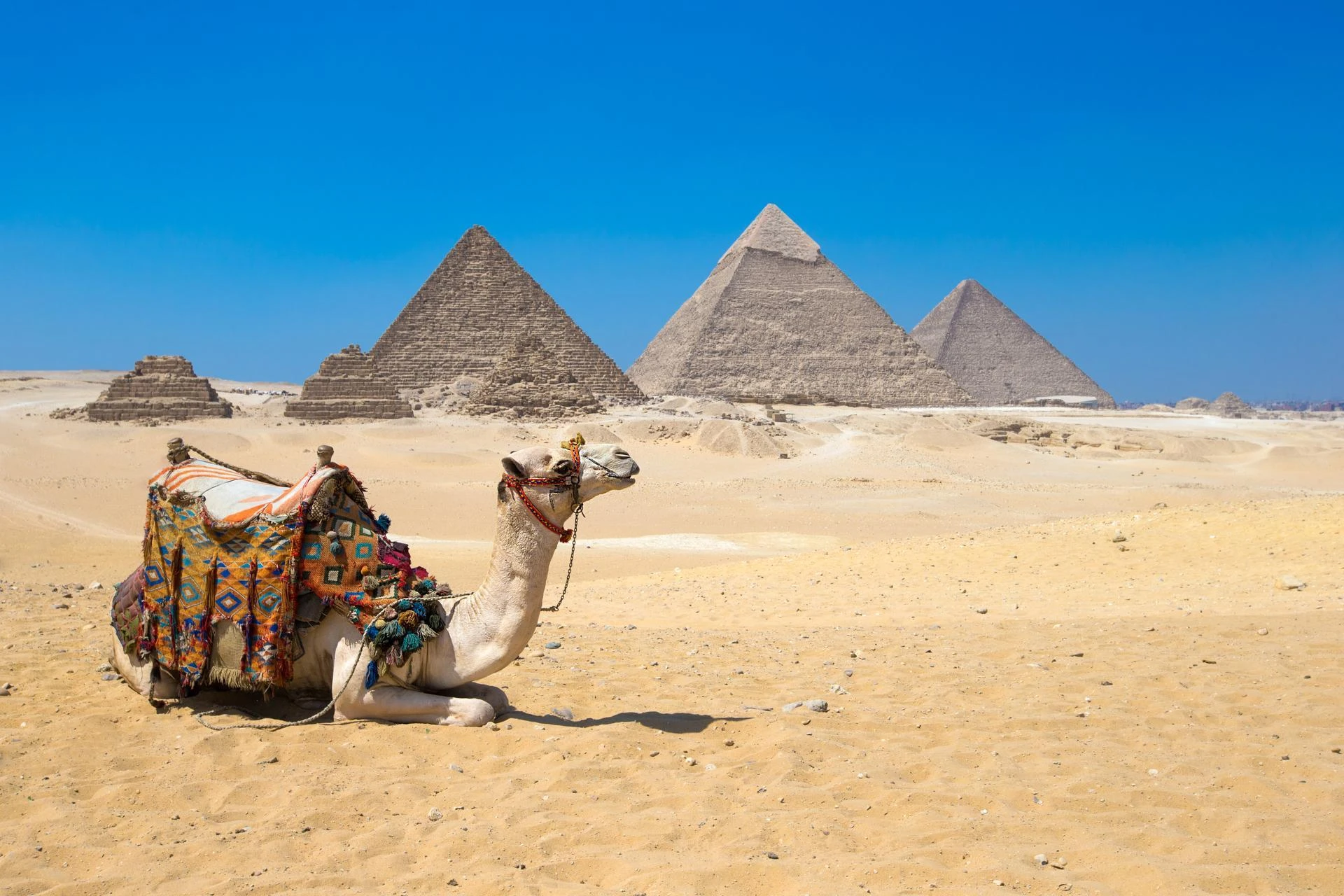
Camel Rides Around the Plateau: Experience the Egyptian desert in a unique way with a camel ride around the Pyramids and Sphinx. This offers unforgettable views and a traditional perspective of the landscape.
The interest in guided tours and expert insights: An interesting subject for a local guide will undoubtedly be learning about the history, symbolism, and Pharaohs of the Old Kingdom pertaining to the Sphinx. Tour guides preach interpretations of the construction, purpose, and mystique behind this giant monument.
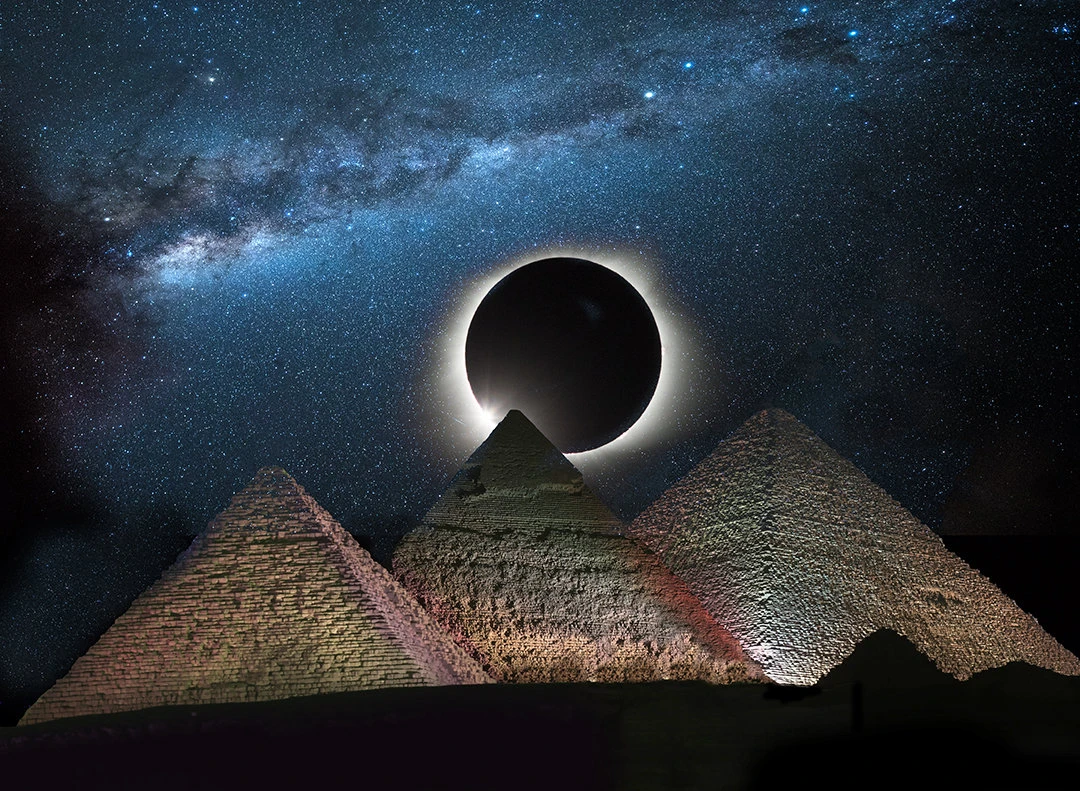
Evening Sound and Light Show: Night time is when the pyramids and the Sphinx come alive, in a grand light-and-sound show, to create magical experiences for children and adults, narrating the story of ancient Egypt.
Explore Pyramids: The Sphinx resides in Giza Necropolis alongside the pyramids of Khufu, Khafre, and Menkaure. Some of these pyramids allow entry to view burial chambers and ancient tombs.
Visit the Valley Temple of Khafre: Found adjacent to the Sphinx, it was used in embalming and burial ceremonies, thereby adding more history to the area.
Panoramic Views: One of the view-giving sights from the Giza Plateau is a wonderful sight into the Sphinx, pyramids, and desert. Sunrise and sunset paint some of the most glorious photographic opportunities.
Local Shops and Souvenirs: Traditional crafts from Egypt, statues, jewelry, and other souvenirs are all sold in the knick-knack shops next door, perfect for bringing home a bit of Egypt.
The Great Sphinx of Giza has long been admired for its beauty and fascination.Any Egypt tour is enriched by the magnificent statue, the surrounding monuments, and numerous theories of formation, all of which place the Sphinx as a highlight and one of the most fascinating icons in the cultural panorama of Egypt. A visit to such a monument is a once-in-lifetime experience, a sight to behold so grand that no common sight can compete with it. While wandering around the Sphinx, one's senses can take in the spirit of ancient Egypt, realizing the timelessness of its existence.
-webp.webp "10-Day Classic Tour of Cairo, Aswan, Luxor, and Hurghada")




-webp.webp "3 Days Family Tours Egypt Explore the Best of Cairo & Alexandria")





-webp.webp)
-webp.webp)

-webp.webp)