

Istanbul does live up to being the largest and most vibrant of all Turkish cities. Straddling between the two continents of Europe and Asia, this charming metropolis boasts a remarkable cultural life, rich history, and breathtaking architectural views. Within its neighborhoods, one can find world-famous landmarks such as Hagia Sophia, Topkapi Palace, the Blue Mosque, and the bustling Grand Bazaar.Istanbul offers an extremely exciting experience, encompassing lively markets, tempting culinary delights, calm neighborhoods, and echoes of the past. The city’s historic beauty and immense cultural diversity make it enchanting—one can easily enjoy ancient sites or experience its vibrant nightlife. Aesthetic Turkey package tours never fail to include Istanbul among their destinations.
What Is Istanbul and Where Is It Located?
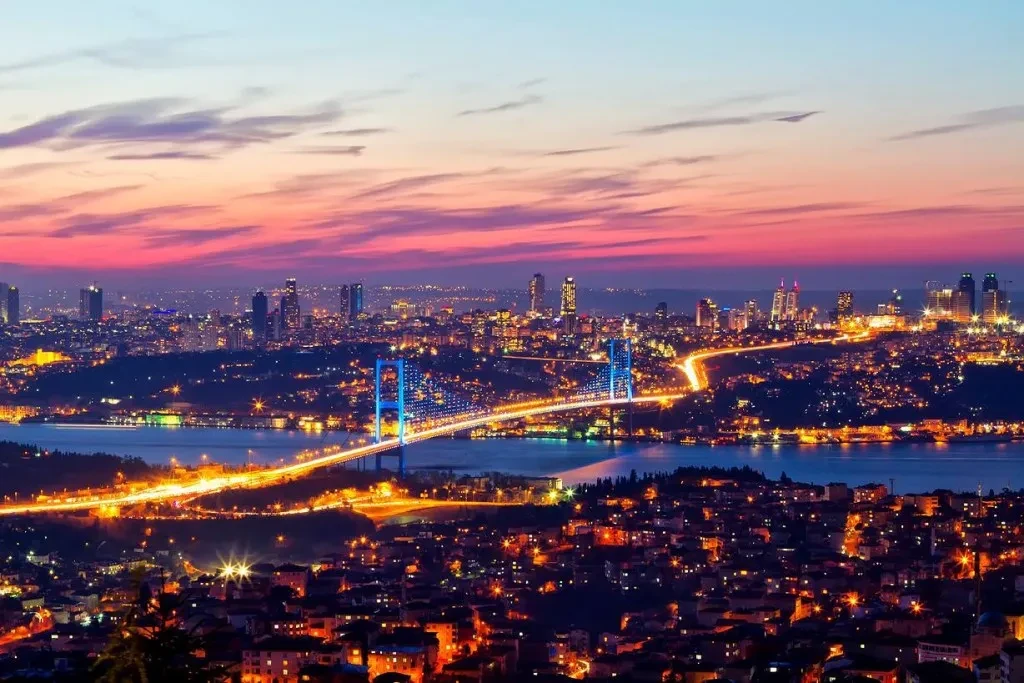
The largest city in Turkey and one of the most popular cities in the world, Istanbul is cherished for its historical richness and cultural variety. The city's uniqueness is due primarily to its belonging to two continents, Europe and Asia. The city lies in the northwestern regions of Turkey where it is divided by the Strait of Bosporus, hence separating its European and Asian sectors, while linking the Black Sea to the Sea of Marmara. Even though it is not the capital of the country (and that title goes to Ankara), it is still of better regard in its own nation for being the heart of trade and culture. The city of Istanbul and its environs have an estimated population of 15 million, making it a focal point of the world's commerce, culture, and history from the early years of the human race. Over the centuries, it was the capital of the Byzantine Empire (Constantinople then) and the Ottoman Empire, each eras responsible for helping to shape what has become Istanbul's unique, lasting legacy.
The Historical Significance of Istanbul in World History
1- Byzantium of Ancient Times
Established by Greek settlers in 660 BC, the fortified city of Byzantium would stand as an extremely lucrative trading spot while also providing a link joining together the Mediterranean and Black Sea as well as Europe and Asia.
2- Constantinople: The Capital of the Byzantine Empire
The Roman Emperor Constantine the Great, in the year 330 AD, refounded the city as Constantinople and established it as the Empire's capital. The city soon became a major centre of Christianity, culture, and learning. Its crowning achievement was Hagia Sophia, completed in 537 AD, attesting to its standing as the world's largest church edifice and a pinnacle of architectural creativity in the Byzantine era.
3- The Heart of the Ottoman Empire
In 1453, Ottoman Sultan Mehmed II conquered Constantinople, bringing an end to the Byzantine Empire. The Ottomans established the city as their capital and ruled over regions of Europe, Asia, and North Africa for almost 400 years. Some well-known landmarks from this period that remain to this day include the Blue Mosque, Topkapi Palace, and the Grand Bazaar, achievements that seated Istanbul as one of the great cities in the Islamic world.
4- Religious and Cultural Importance
The role of being a center of Christianity and Islam defines Istanbul's religious and cultural identity. For centuries, Istanbul was the seat of the Eastern Orthodox Church and later became a primary Islamic center of the Ottomans. Featuring originally as a Christian cathedral and later as a mosque, Hagia Sophia is a stately emblem representative of the role this metropolis assumed in the cultural, religious, and historic significance.
5- Crossing Over Far-East
Over the length of its history, Istanbul acted as a hinge between the East and the West, modifying artistic, architectural, literary, and philosophical thought. The conglomeration of Greek, Roman, Byzantine, and Ottoman cultures has given Istanbul its intricate and variegated character.
6- Value Nowadays
At present, Istanbul is identified as an international city that has preserved ancient customs amidst the colorful convergence of its modernizing life. As Turkey's cultural and economic hub, its shadows lay wide across the globe, especially into those industries of tourism, trade, education, and the arts.
Famous Landmarks and Cultural Sites in Istanbul
1- Hagia Sophia
With roots buried in the 6th century, making it the seat of the Orthodox Christian Patriarch of Constantinople, the Hagia Sophia was converted into a mosque, later becoming a museum. This Byzantine masterpiece of monumental grandeur is situated upon the religious, architectural, and cultural bifurcation of the meeting of the Christian, and – avowingly – the Islamic, worlds in its grand dome, marvelously woven mosaics, and a wholly unique admixture of Christian and Islamic design.
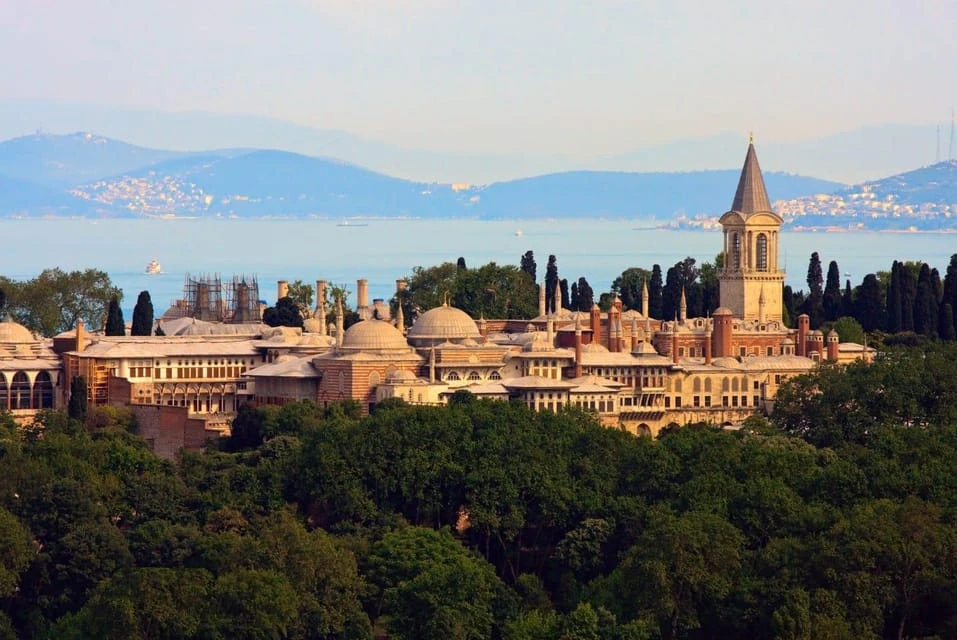
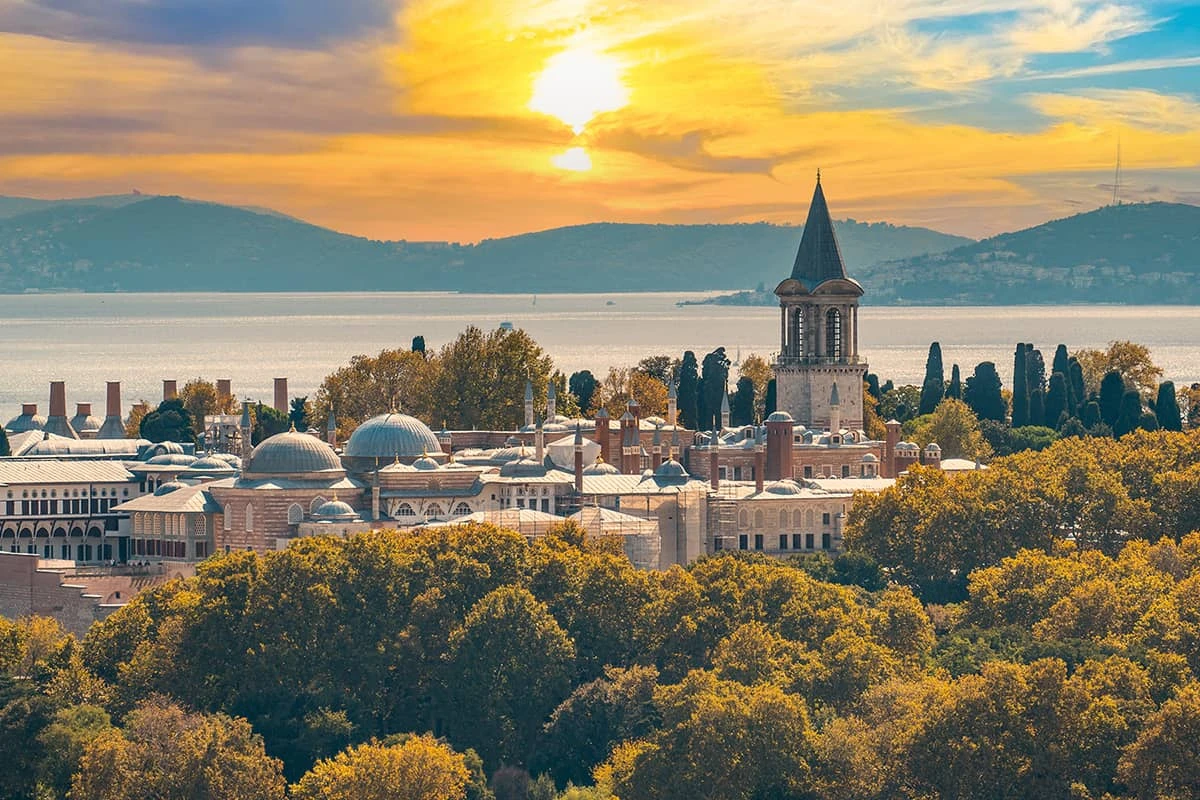
2- Topkapi Palace
The residence of the Ottoman sultans for almost 400 years, the palace and grounds explore the many courtyards and gardens. The museum houses many sections with an impressive array of Islamic artistry, including the Topkapi Dagger. There is also a Harem.
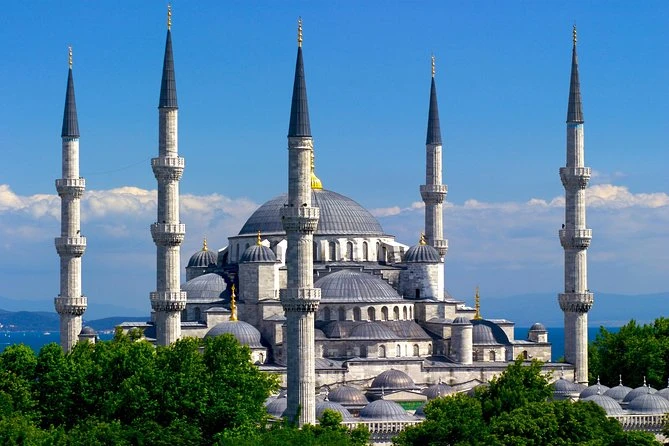
3- Blue Mosque (Sultan Ahmed Mosque)
The mosque is famous for its blue tiles and the six slender minarets it is cribbed with. Built between 1609-1616, this more active mosque is the epitome of Ottoman architecture.
4- Basilica Cistern
With a peculiar atmosphere not easily forgotten, Basilica Cistern served as an underground water-reserve structure constructed in the 6th century AD that adopted reflective light at every corner to bless hundreds of ancient columns and a few heads of Meduse common for tourist-photo backgrounds.
5- Grand Bazaar (Kapalı Çarşı)
An absolute must-see is one of the world’s oldest and largest covered markets encompassing over 4,000 shops that sell carpets, jewelry, spices, and various other goods.
6- Galata Discloses
Built in the 14th century, this medieval stone tower affords unparalleled views of Istanbul along with the Golden Horn and the Bosphorus.
7- Süleymaniye Mosque
This mosque was designed and built by none other than the legendary architect of the Ottoman Empire, Mimar Sinan, in the year 1557; it symbolizes the splendor of the Ottoman era and contains a library, schools, and hospital as well as an extensive inner courtyard.
8- Harem of Topkapi Palace
The part of the palace partitioned off for the sultans' family life, with the most elegantly decorated rooms and courtyards.
9- Dolmabahçe Palace
An Ottoman palace from the 19th century, boasting a splendor of halls, the Crystal Staircase, and views to the Bosphorus.
10- Chora Church (Kariye Museum)
The former Byzantine church, which is famous for its mosaics and frescoes, houses a museum where biblical art is beautifully detailed.
11- Taksim Square & Istiklal Street
A lively public space in modern Istanbul with shopping, cafes, and where festivals, music, and parades happen.
12- Spice Bazaar (Mısır Çarşısı)
If searched, one would exclaim that it was quite some tradition in display here. There was paprika, saffron, cinnamon, tea, powder, and all other elements of ritual perfume. The air was filled with the scent of aromatics, almost as strong and choking as the hint of the sun on the sea.
13- Bosphorus Cruise
Experience Istanbul from the water, passing landmarks like Topkapi Palace, Dolmabahçe Palace, and Galata Tower, while enjoying views of Europe and Asia in one city.
Istanbul Turkey Day Tours is a great way to experience the liveliness of the city, the richness of its history, and wonderful architecture. Sites such as Hagia Sophia, the Blue Mosque, and idyllic places like Çamlıca Hill strikingly merge historical heritage and modernity.
Roam the vibrant bazar, visit the Çamlıca Tower to capture the most beautiful sunsets or sunrises ever, and take part in its diversity. This busy city guarantees a lifetime of memories and a thrilling montage for tourists from where to savor the myriad tastes of Istanbul inherent for its blend of sustenance as well as the dramas inherent in life would be just prompting.



-webp.webp "10-Day Turkey Travel Packages for an Amazing Adventure")

-webp.webp)
-webp.webp)

-webp.webp)