

The Unveiling of the Tomb of Tutankhamun.
Tutankhamun's tomb is more than just an archaeological site; it is also a small window into the ancient Egyptian culture, with its stories of luck, history, and some of the most extraordinary discoveries in the history of mankind, which changed the world's vision of Egyptian civilization. This, indeed, is probably the most famous tomb the world knows of, located in the Valley of the Kings near Luxor. until Howard Carter, British archaeologist, and archaeologist under the sponsorship of Lord Carnarvon discovered it in 1922.
Unlike those of other royal tombs, Tutankhamun's tomb had not been looted. From the inside, more than five thousand artifacts found, ranging from golden caskets and stunning pieces of jewelry to statues, chariots, and, finally, the most famous golden mask that ever existed. Experts still regard this discovery as the most remarkable archaeological find of the 20th century.
Today, visitors on organized Luxor day tours rarely skip the tomb. Those on an Egypt travel itinerary can step into the burial chamber and stand in the very spot where Carter first gazed upon the treasures of the boy king. Whether traveling on a Nile cruise or a classic Egypt tour, the Valley of the Kings remains a must-see highlight.
Luxor offers more than just Tutankhamun’s tomb: the Colossi of Memnon, the Mortuary Temple of Hatshepsut, and the grand Ramesseum are equally fascinating. Exploring these sites on a West Bank tour adds depth and excitement to your trip.
Key Features Inside the Tomb of Tutankhamun
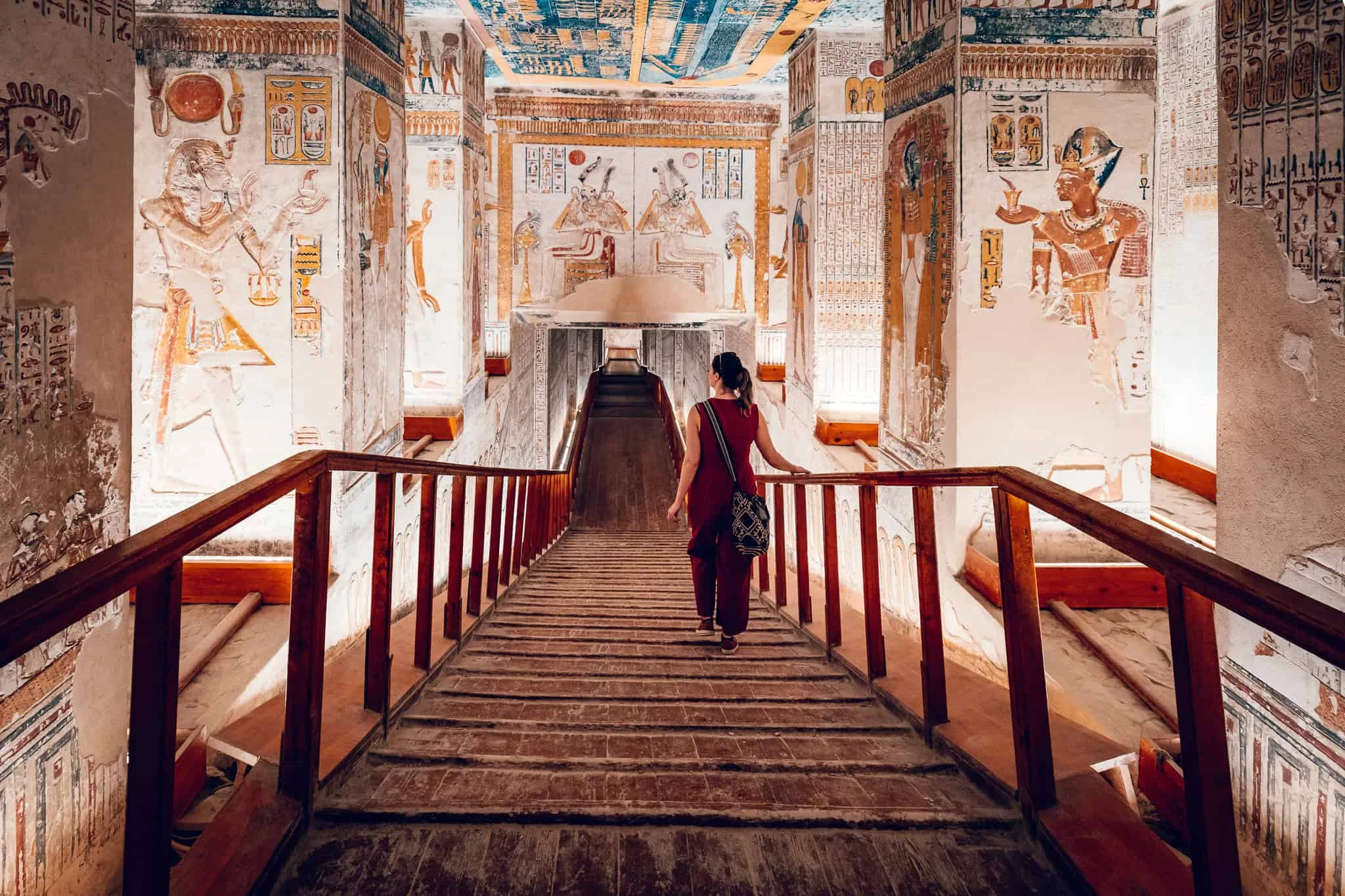
Compared to many other royal tombs, Tutankhamun's burial place is modest in size but is delicately decorated and carefully designed. The vibrant yellow walls tell of the deceased pharaoh's journey to the afterlife with the various gods, including Osiris, Anubis, and Hathor, depicted leading him through attitudes toward death typical of 18th Dynasty domestic settings.
Most significant, however, is the sarcophagus that the young king lay. This was actually housed in fourb nestedgolden shrines, and the actual ritual affords immeasurable moment to any Luxor day trips or tours.
Most original treasures are now housed in the Grand Egyptian Museum in Cairo, but select artifacts and replicas remain to convey the tomb’s splendor. Even empty of most items, the tomb exudes a powerful atmosphere, allowing visitors to connect with the historical presence of the “boy king.”
On luxury or classic Egypt tours, guides often explain why Tutankhamun’s tomb is smaller than typical royal tombs, possibly reflecting his sudden death. Such insights enrich the visit and deepen your understanding of ancient Egyptian culture.
How to Visit Tutankhamun’s Tomb
Located in the Valley of the Kings on the Nile’s west bank opposite Luxor, Tutankhamun’s Tomb is part of a larger burial ground. Visitors to the valley can typically choose to explore three tombs of their choice, but visiting Tutankhamun’s tomb requires a separate ticket due to its popularity and careful preservation.
The tomb is easy to reach, just a 30–40 minute drive from Luxor. Private day tours offer air-conditioned transport, expert guides, and skip-the-line access, making the visit comfortable and stress-free.
Usually combined with Nile cruise trips are organized group sightseeing visits to Karnak Temple, Luxor Temple, and other East Bank attractions. Tourists can enjoy aerial tours from Cairo to Luxor, many of which include Tomb of Tutankhamun among must-see places. If tourists choose to extend their travel to Aswan with Nile cruises from Luxor, they could visit additional attractions such as Kom Ombo and Edfu Temple also.
Tutankhamun's Tomb sightseeing tips.
Early Morning Arrival: The Valley of the Kings is one of the most visited places in Luxor. So, if you want to avoid crowds and have a heat-free visit, it’s best to go there early in the morning.
Hot air balloon: The best way to see Luxor from the heights while enjoying a wonderful start to your day before the tomb visit.
Hire a Knowledgeable Guide: A professional guide can speak about the wall paintings' symbolism, thus uncovering the concealed meanings that are usually missed by the casual viewers.
Take Your Time: The tomb's artwork and the history, although small in size, are still deserving of careful attention. Enjoy the details instead of moving on quickly.
Combine Activities: A felucca ride on the Nile or the Luxor Sound and Light Show at Karnak Temple to end the day in a memorable way can be enjoyed right after your visit.
Nearby Attractions Worth Visiting
Tutankhamun’s Tomb is a standout, but Luxor is filled with remarkable sights. Plan to include:
1- Mortuary Temple of Hatshepsut: Impressive Shrine against the Deir el-Bahari Cliffs
2- Valley of the Queens: Beautified by the exquisitely ornamented tomb of Queen Nefertari.
3- Medinet Habu: Mortuary Temple of Ramses III, boasting beautiful battle scenes.
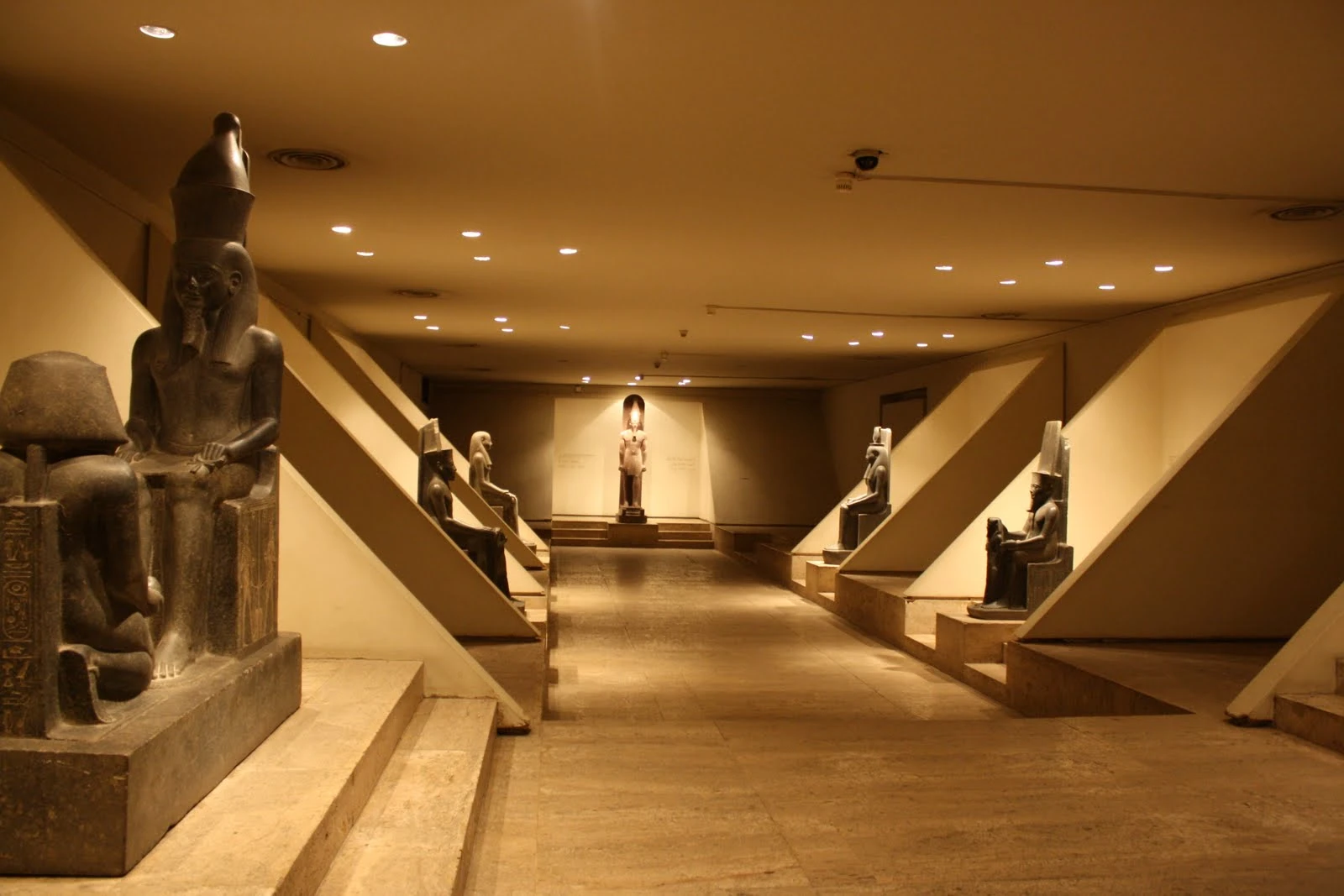
4- Luxor Museum: House of Tutankhamun treasures and other antiquities
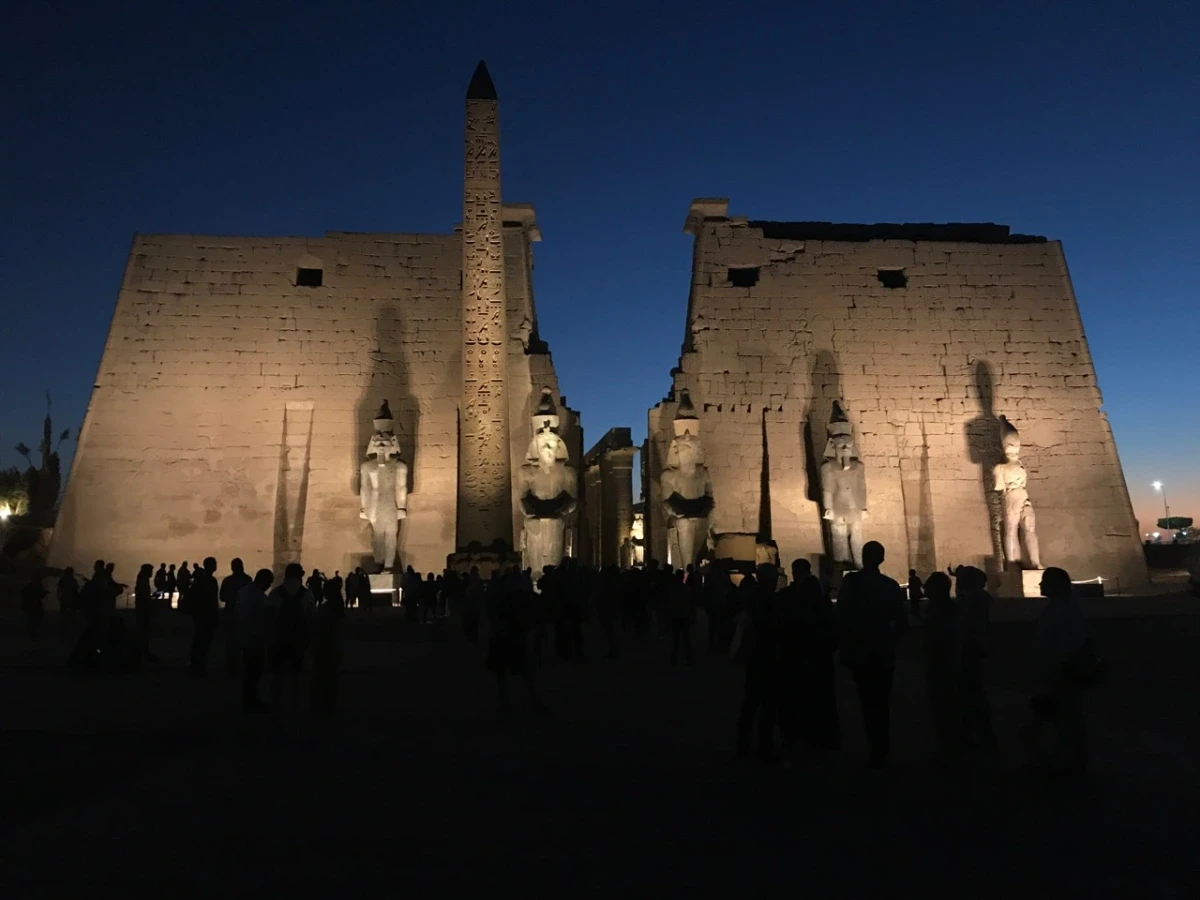
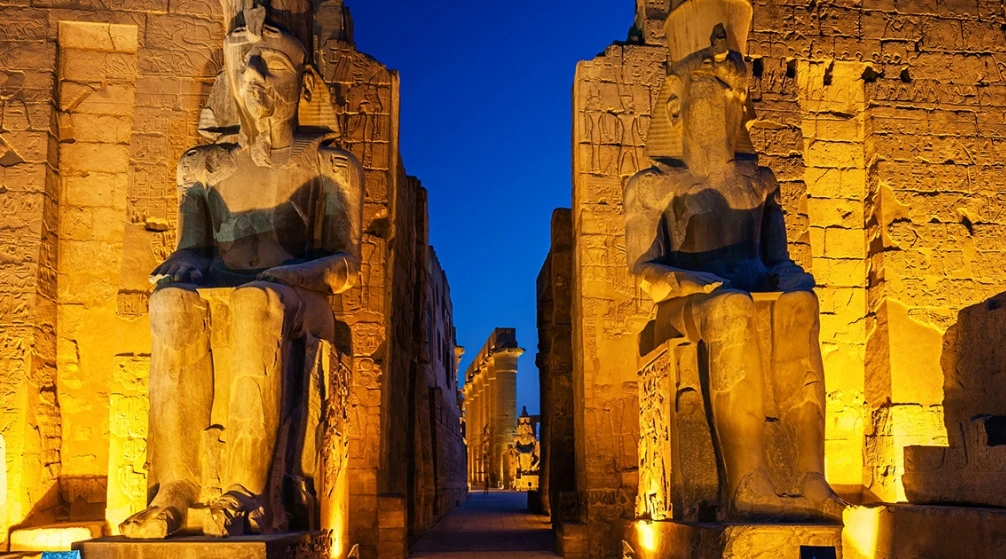
5- Luxor and Karnak Temples: Both are best experienced during day or night illuminations.
6- Colossi of Memnon: These twin colossi guard the Theban necropolis.
These can be combined into one West Bank tour with a free-paced structure across several days. Irrespective of travelers visiting Luxor as a family, on luxurious Egyptian tours, or custom-designed Egypt sightseeing ventures, the appeal of visiting Luxor will retain its timeless allure.
Why Tutankhamun's Tomb is a Must-See
Unlike most temples and monuments, Tutankhamun's tomb leaves a long-lasting impression, as when you enter, it feels like history comes alive, bringing with it the excitement of its rediscovery, while the story of the boy king rings in your ears.
The booking of an Egypt travel package ensures efficient ease of transit whether a Nile cruise from Luxor, a day trip from Cairo, or a classic Egypt tour is itinerised. The Tomb of Tutankhamun continues to shine bright in the world of Egypt, offering an unmatched look into the history and culture of the young ruler, intriguing so many individuals worldwide.









-webp.webp)
-webp.webp)

-webp.webp)