

The Temple of Seti I in Luxor stands as one of Egypt's most captivating historical sites which draws visitors from every part of the globe. The temple built by Pharaoh Seti I from the 19th Dynasty provides visitors with an exceptional opportunity to experience the deep history and architectural wonders and religious customs of ancient Egypt. The structure dedicated its worship to Amun and Ra and Osiris which demonstrates how ancient Egyptians practiced their religious beliefs.
The temple walls display bright hieroglyphic inscriptions and detailed sculptures which show mythical stories and royal accomplishments and sacred rituals. The artistic treasures enable visitors to experience the complete cultural and religious traditions which existed in ancient Egyptian civilization. The site serves as a primary destination for Luxor day tours and Egypt tour packages which attract visitors interested in historical and cultural experiences.
Next Holiday Travel provides various tour options which include short Luxor tours and comprehensive Egypt trips to explore the Temple of Seti I. The site stands as the most impressive attraction in Luxor because its ancient Egyptian past remains intact through its historical buildings and lively artwork and its crucial historical importance.
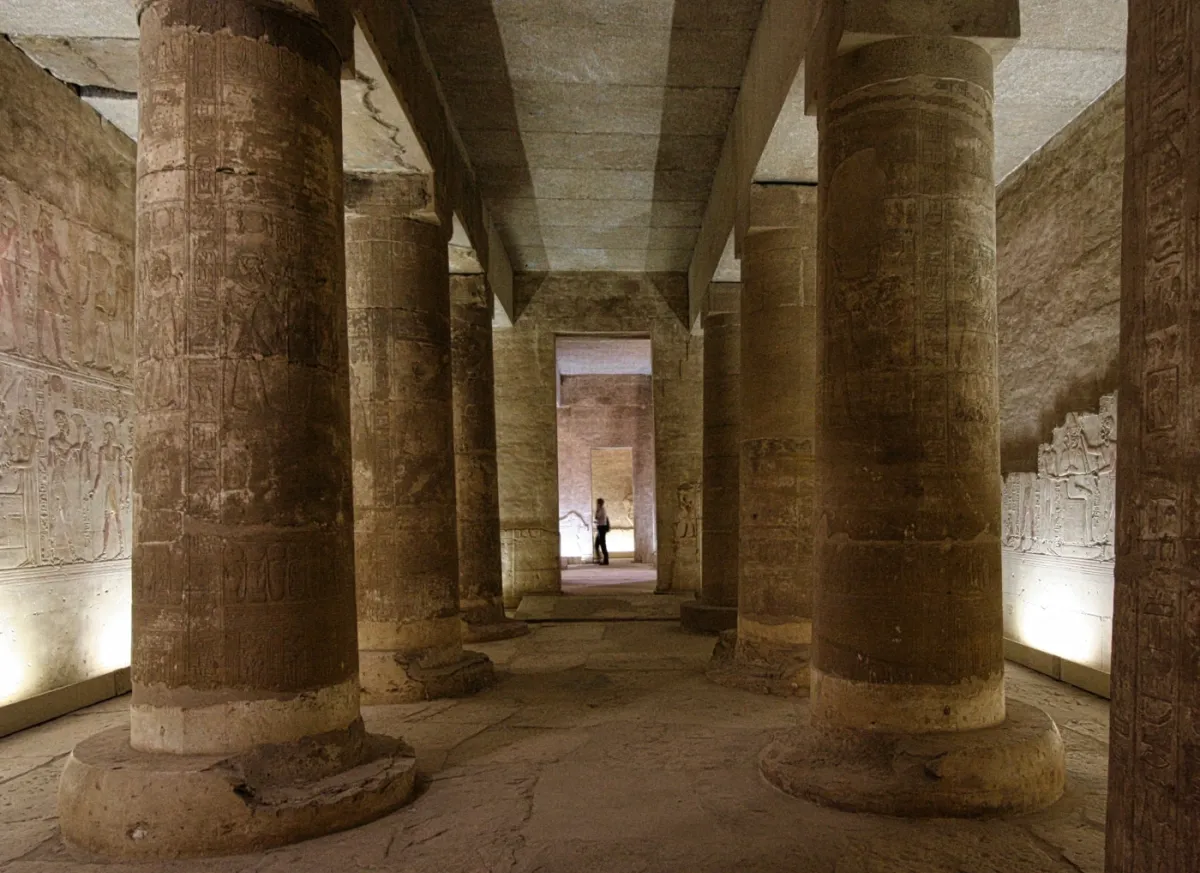
Luxor’s Temple of Seti I: Ancient Egyptian Wonder
The Temple of Seti I found on the west bank of Luxor stands as one of Egypt's most outstanding ancient monuments. Pharaoh Seti I constructed the temple which features massive dimensions and detailed stonework and colorful video graphics showing religious ceremonies and royal accomplishments.
The temple path reveals to visitors the exceptional talents and building methods of ancient craftsmen. The site provides a peaceful environment which maintains its ancient Egyptian architectural splendor for visitors to experience. The historic site connects people with their past while showing the cultural traditions of one of the most ancient civilizations.
Location of the Temple of Seti I in Luxor
The Temple of Seti I stands on the western side of River Nile, located in Luxor town, which is surrounded by the prestigious Theban Necropolis. Located opposite modern Luxor, archaeological area contains a horde of ancient tombs and temples, including nearby Valley of the Kings complex and other such grand meeting places in the New Kingdom period.
In antiquity, this area was an important spot for religious and ritual activities, a tradition that has generated one of the most valuable insights into the whole historic Egyptian culture. The gods worshipped by people at this temple included the very popular Amun, Ra, as well as Osiris, thus reflecting the deep-rooted spiritual traditions of that era.
Because of its spatial relations with other important antiquities, parts of its history can be known to people, who, so inextricably tied with this history, consequently see the Temple of Seti I in the perspective over the general history of ancient Egypt.
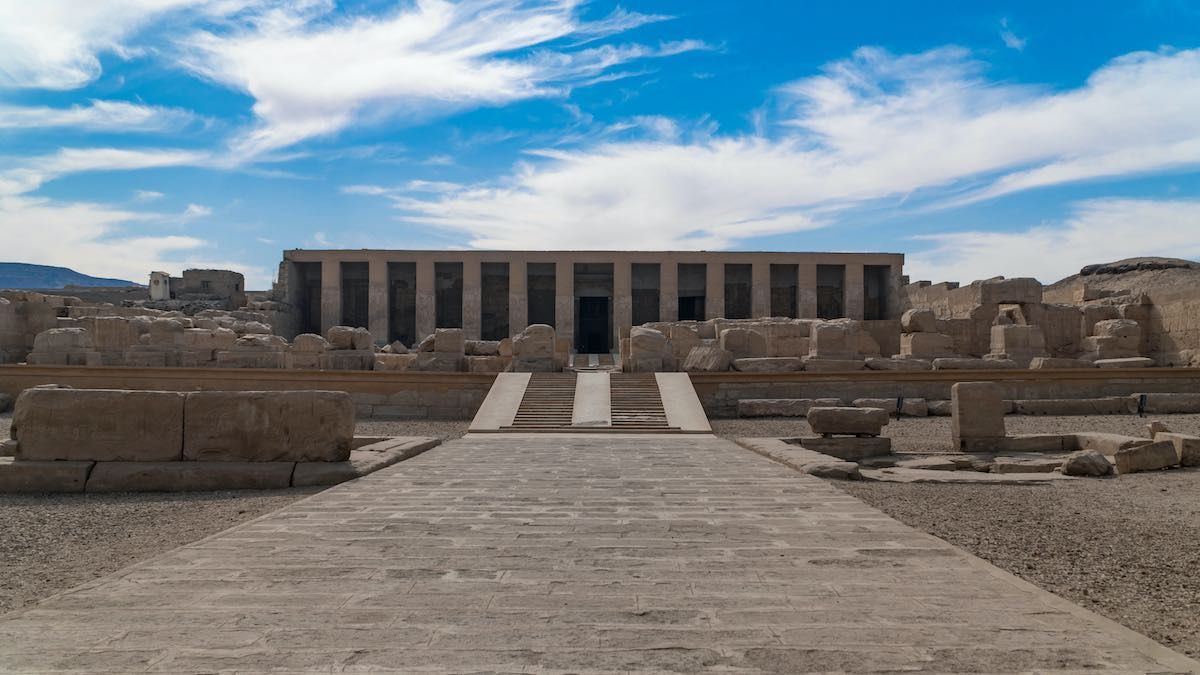
The History of the Temple of Seti I in Abydos
The temple itself of Seti I at Abydos is treated as Egypt's primary sites concerning an archaeological treasure. Situated upon the 19th Dynasty of Pharaoh Seti I, the temple gives instance to his great legacy and strength. Abydos lied hence in the most sacred religious center of ancient Egypt, heavily associated with Osiris, the god of the dead, its primary purpose dealing with the latter. Such things also betray the evidence towards the old legacy.
The temple itself happened to be decorated in a pretty fine class here. This may be ornate as no doubt, but it is many of the finest remaining monuments of Egypt's New Kingdom. All its well-inscribed walls and hypocephali have been turned out, and they speak about the required needs of religious works, divine ablations, and royal services, which form genuinely much concerning life, and these details reveal so much toward religious beliefs and royal ideology of the ancient Egyptians.
From an architectural standpoint, the temple represents a zenith in New Kingdom design and artistic development. It is one of the last great temples in the age to exhibit a range of building technologies and highly skilled artistic execution. Today, the Temple of Seti I in Abydos remains a vital place in history, offering visitors a wondrous insight into Egypt's rich religious and cultural common culture.
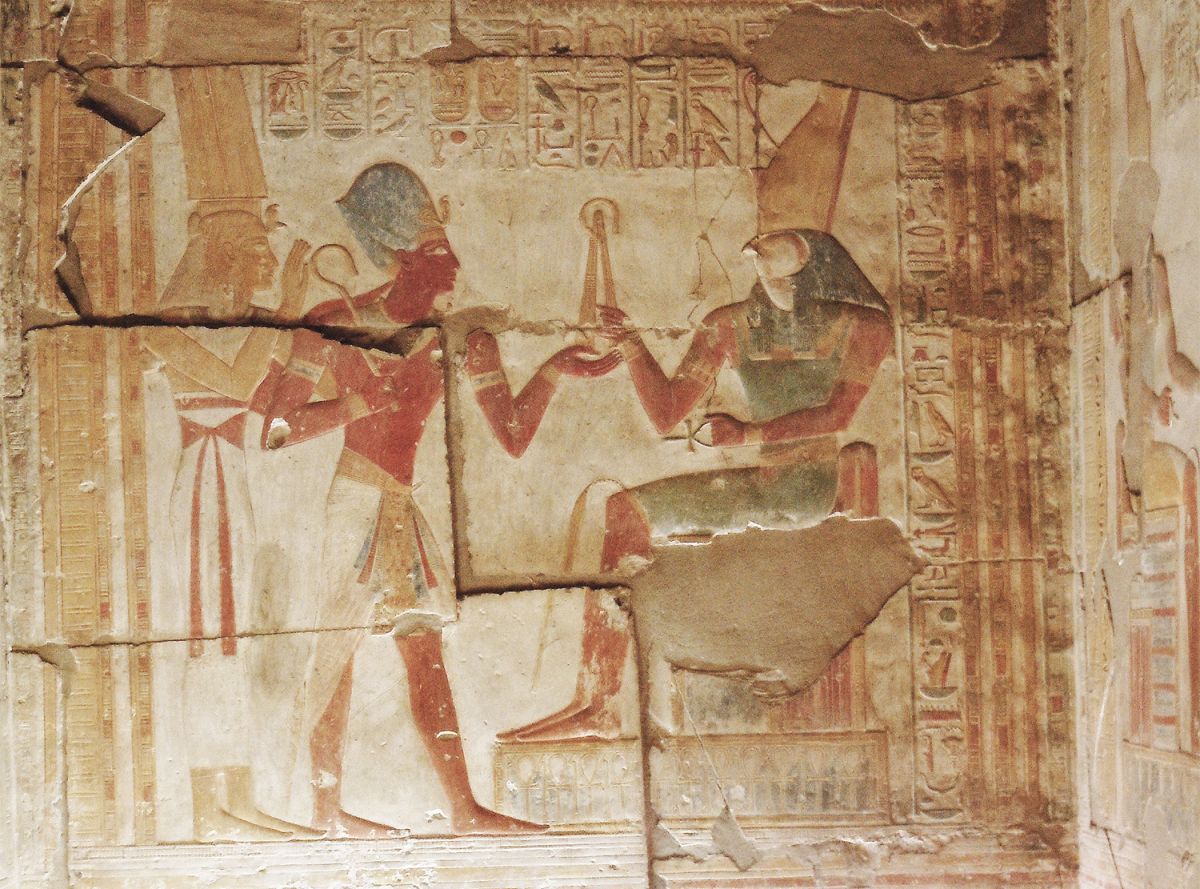
Why the Temple of Seti I Stands Out in Egyptian History
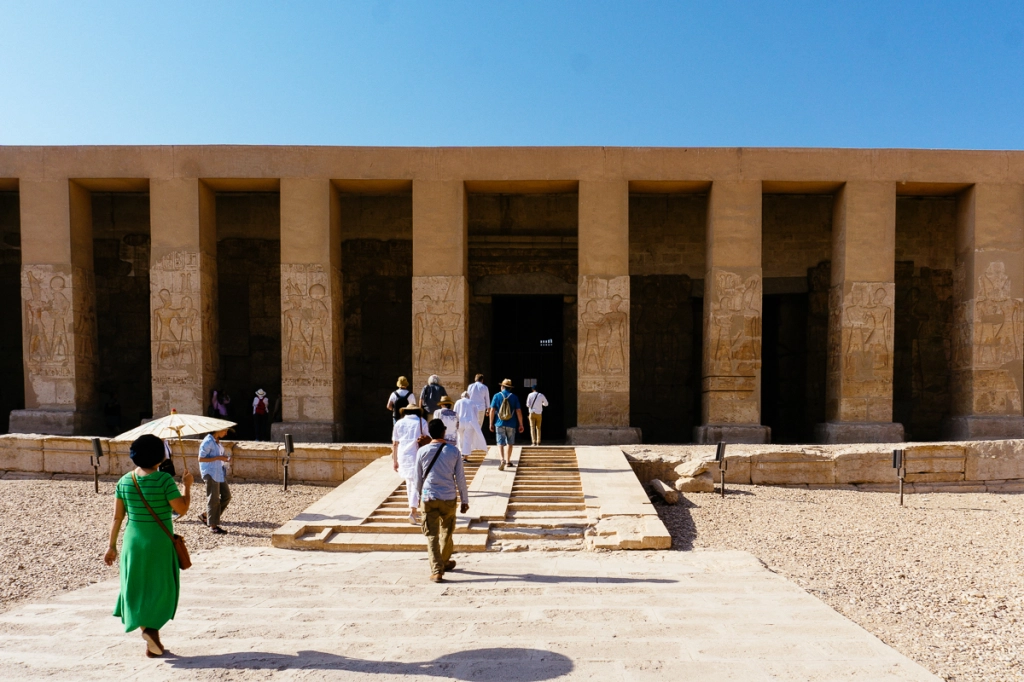
The Temple of Seti I is one of the most astonishing treasures of ancient Egypt for grandiose proportions, exquisite architecture, and aesthetic details. It was the product of the strong hands of Seti I, the father of Ramses II. Very fine carving completes every cubic inch of the temple; the boundaries of legends have a metaphoric transcendence with the colour of scattered bees around these stones talking about devotion to gods and the major priests celebrating these rituals. Being in Abydos, the most honored and spiritual place in the land, the temple has deep historical as well as existential significance. The inscriptions reveal the reverence of ancient Egyptian customs, the practices of a king, and his rituals. The fact that the temple remains so well-preserved allows one to observe the indescribable craftsmanship and high artistic value typical of that era. The Temple of Seti I is a major symbol of Egypt's bugation and continues to enchant all scholars and guests from different parts of the world with its beauty.
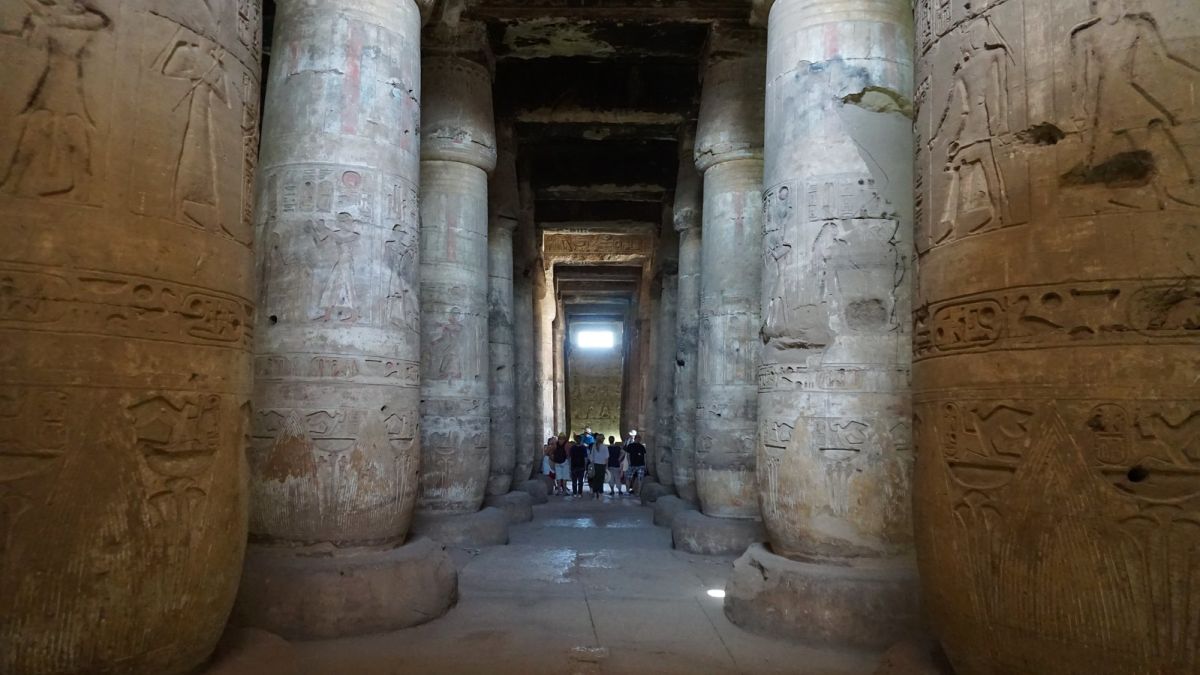
The Artistic Wonders of the Temple of Seti I
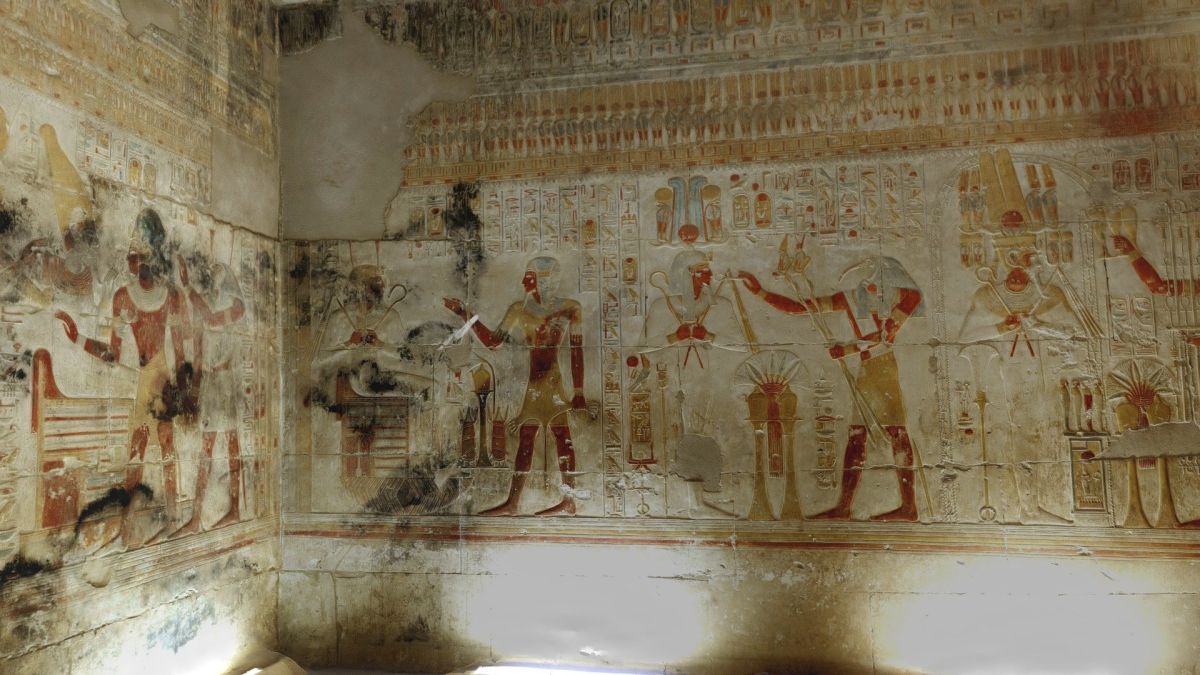
The Temple of Seti I in Abydos represents an outstanding testimony to Egyptian art and architecture. The temple was erected by Pharaoh Seti I, showcasing the typical sophistication and perfection of design in the New Kingdom. This huge temple, with its hypostyle hall featuring numerous exquisite columns with their original drawings and colors, and its infinite doorways leading to courtyards, pylons, and sanctuaries, conforms to Egyptian architectural tradition while incorporating a few elegant and original refinements.
The walls are covered in hieroglyphics that narrate stories in wordy prose, like beautiful paintings, and in brilliant polychrome reliefs accompanied by fascinating themes of offerings to divine beings, royal ceremonies, and myths. In each artistic resolution, we find the personal seal of Seti I’s devotion to the divine and his absolute authority. They also offer valuable insights into the religious practices of ancient Egyptians.
The temple stands as a crowning feather in the cap, combining exceptional architectural skill with outstanding artistic achievement, making it one of the most excellent monuments of ancient Egypt.
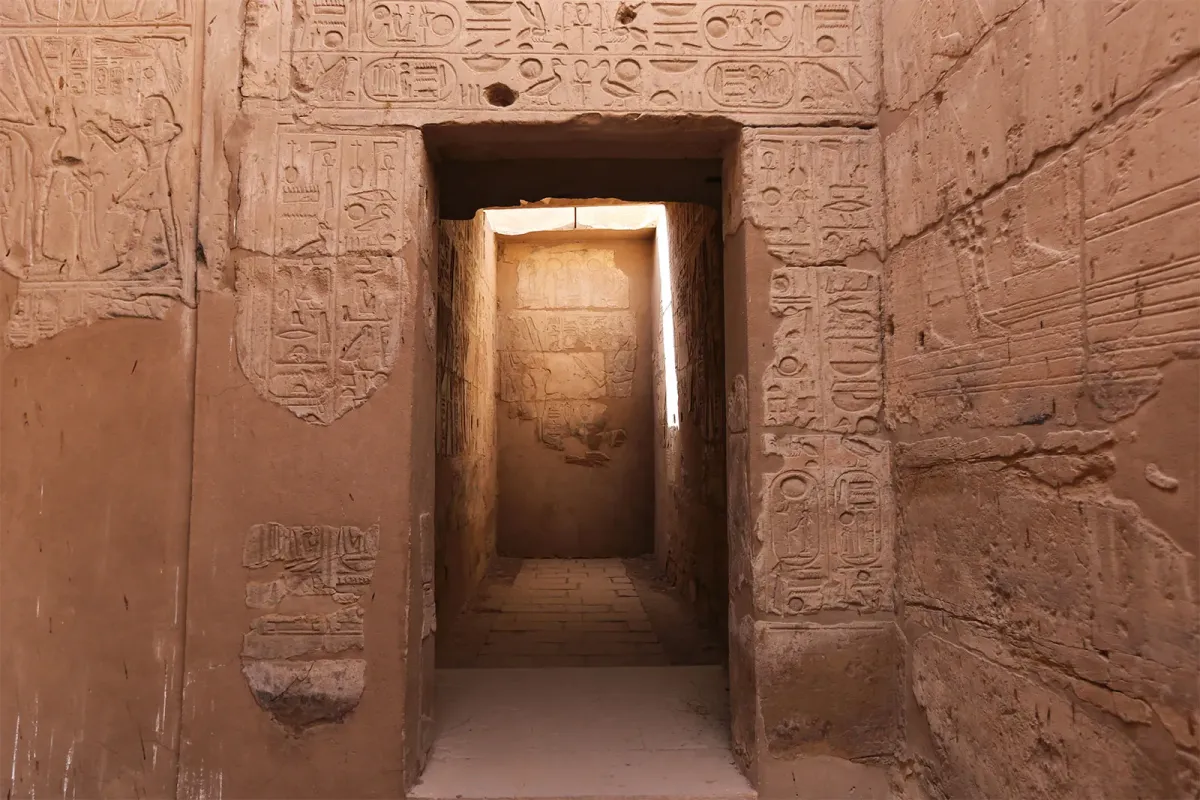
What Makes the Temple of Seti I Stand Out in Ancient Egypt?
The Temple of Seti I at Abydos is distinct from the other temples of ancient Egypt due to various remarkable features. Its location in Abydos, a central precinct of religion, grants it vast historical and spiritual importance. Although the general layout is typical of ancient Egyptian building design, there is a remarkable grand hypostyle hall with columns lavishly decorated, featuring an incredible array of high-quality carvings and inscriptions. One of its most striking features among others is how well preserved carvings are, vividly depicting the pharaoh's divinity and ritual ceremonies. This Temple also houses the so-called Abydos king-list--a chronological list of Egyptian kings during which the king-list provides a very valuable insight into royal history. Featuring beauty and exceptional preservation, the Temple of Seti I still remains a perfect example of the New Kingdom temple architecture, while serving as a focal point for the exploration of Egypt's religious and cultural heritage.
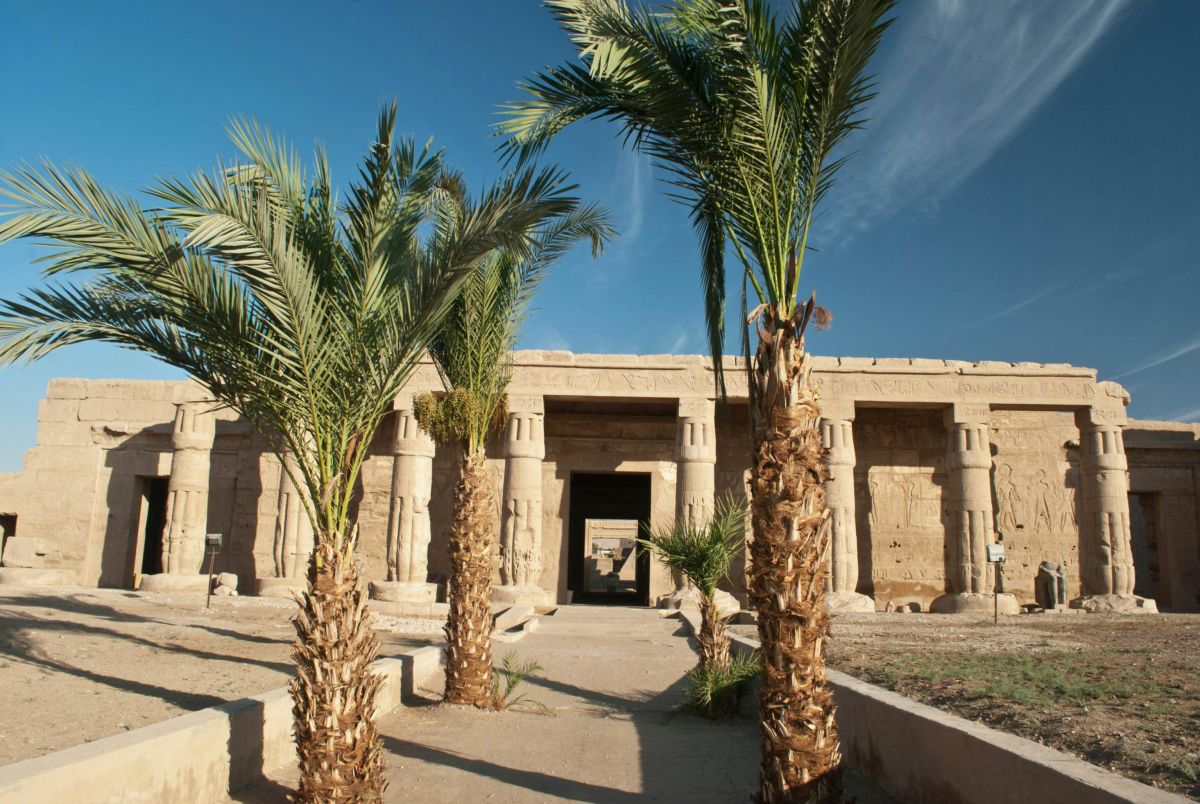
Explore the Reliefs and Inscriptions of the Temple of Seti I
The Temple of Seti I at Abydos is as famous for its stunning bas-reliefs and inscriptions as it is for pictorial projections of ancient Egyptian royal religious magnificence. The walls of the temple show intricate hieroglyphs and scenes, so admired for their artistic splendor, presumably reflecting the skill of New Kingdom craftsmen.
High points in the temple include the Abydos King List found in the Hall of Ancestors. This valuable witness to the chronological layout of the Egyptian pharaohs offers insights into the history and lineage of Egypt's rulers. The bas-reliefs are of Seti I before the Egyptian gods, carrying out sacred and magical rites, appealing to his piety and divine authority.
Thus, the temple is not only a sine qua non of art but a rich storehouse of historical and cultural learning giving us the unique chance to glimpse ceremonial and spiritual life in ancient Egypt. Its commendable or rather conspicuous preservation thus makes it indeed a treasure for both students and visiting pilgrims.
Luxor Day Tour
A day trip from Luxor offers one of the most unforgettable of trips to the grandeur of ancient Egypt. Starting off visiting the Karnak Temple Complex dedicated to the all-powerful god Amun, which reigns the gigantic columns, the colossal statues, and the walls of intricate scripts.
Next, you may choose to go straight to the nearby Luxor Temple. It is remembered with a magnificent front pylon and the iconic avenue of sphinxes. Crossing the Nile to the West Bank, you have the chance to explore the Valley of the Kings. The valley boasts a series of lavishly adorned tombs of the pharaohs, including that of Tutankhamun.
Follow on with the Temple of Hatshepsut, a masterpiece of architecture erected in honor of Egypt’s greatest female pharaoh. The best part of this tour includes a visit to the Colossi of Memnon, two huge statues guarding the entrance to an imposing temple. This full-day trip would provide a magical glimpse into Egypt’s rich historical and cultural heritage.
Exploring the Heart of Egypt's Ancient Heritage is best done with a Luxor day tour. A tour by day turns an excursion into one of the largest archaeological sites on Earth. It ensures a deep and comprehensive experience in the grand cloak of Egyptian history.
The morning shall start at Karnak Temple with its massive statues and rows of columns, including the most intricate hieroglyphics, symbolizing ancient moments of religious faith and adoration. Adjourn to Temple of Luxor with its grand avenue of sphinxes and a grand feast of New Kingdom architecture.
Cross to the West Bank, where one can visit the Valley of the Kings and its intricately decorated tombs, while sparing some time inside the tomb of the young prince Tutankhamun. Observe the temple of Hatshepsut in honor of the female Egyptian pharaoh who ruled at this great site. Conclude the day at Colossi of Memnon, along with the accompanying images of falcons and lions that stand before the grand temple.
Certainly part of a more extensive tour of Egypt or as a one-day Luxor tour, the nitty-gritty excursion into the country's ancient history provides a firsthand look at many of the iconic monuments and turns this visit into an unforgettable journey in time.








-webp.webp)
-webp.webp)

-webp.webp)