

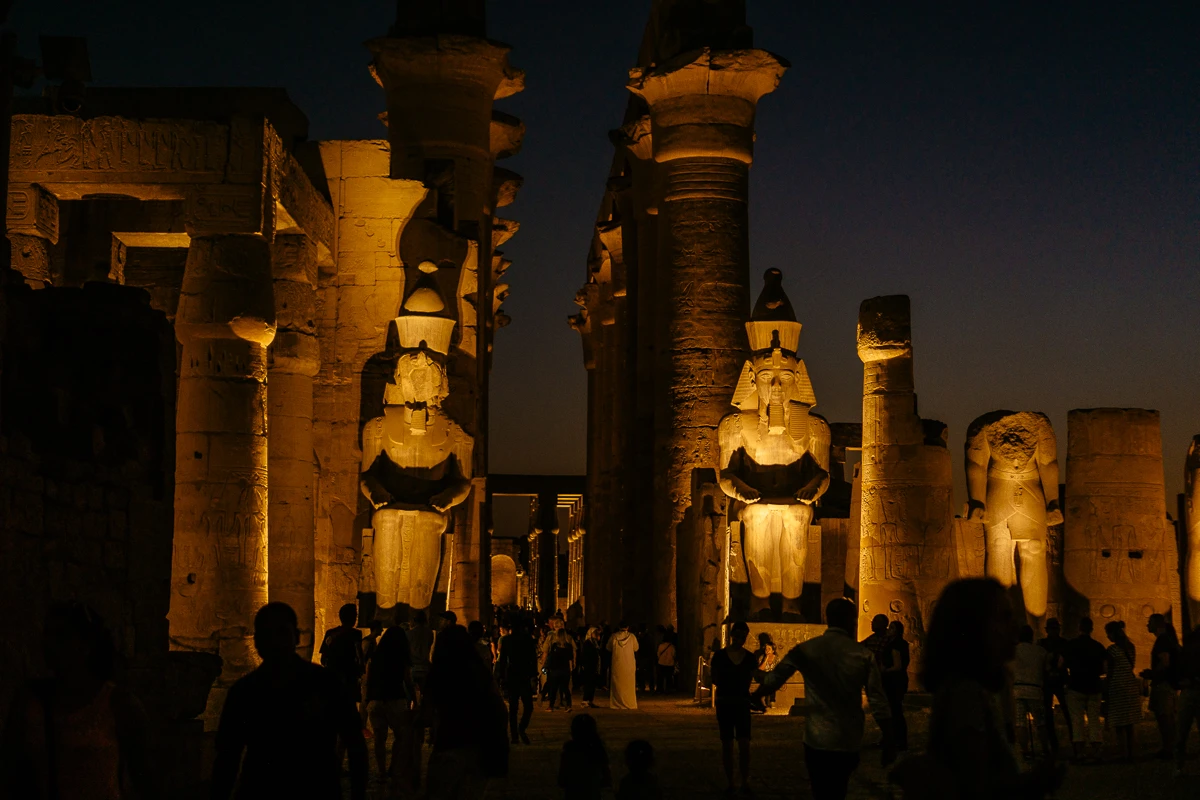
The West Bank of Luxor is an attraction that is not only one of the best but also the most historical areas in Egypt. Its ancient treasures are so magnificent that they can narrate a story of how a wonderful civilization existed. The West Bank being directly across the Nile from modern Luxor is a place that attracts a lot of archaeologists, as it has numerous major sites where people come to see the remains of ancient culture and civilization. The Valley of the Kings is the center of attention where the graves of the kings including the famous King Tutankhamun are located secretly under the desert rocks. The public can also see the grand temples of Hatshepsut’s Mortuary Temple and Medinet Habu which are examples of the magnificence of ancient Egyptian building. The Colossi of Memnon, two huge statues, are the ones that witness history, standing silently like the guardians of time. Luxor’s West Bank is a place that will leave everyone with impressions and experiences, no matter whether one is a history lover or just an inquisitive person about the past.
Highlights of Luxor’s West Bank
Valley of the Kings:
The burial site of Egypt’s most powerful rulers, including Tutankhamun, Ramses II, and Seti I. The tombs are decorated with vivid murals and intricate hieroglyphs that reveal ancient Egyptian beliefs about the afterlife.
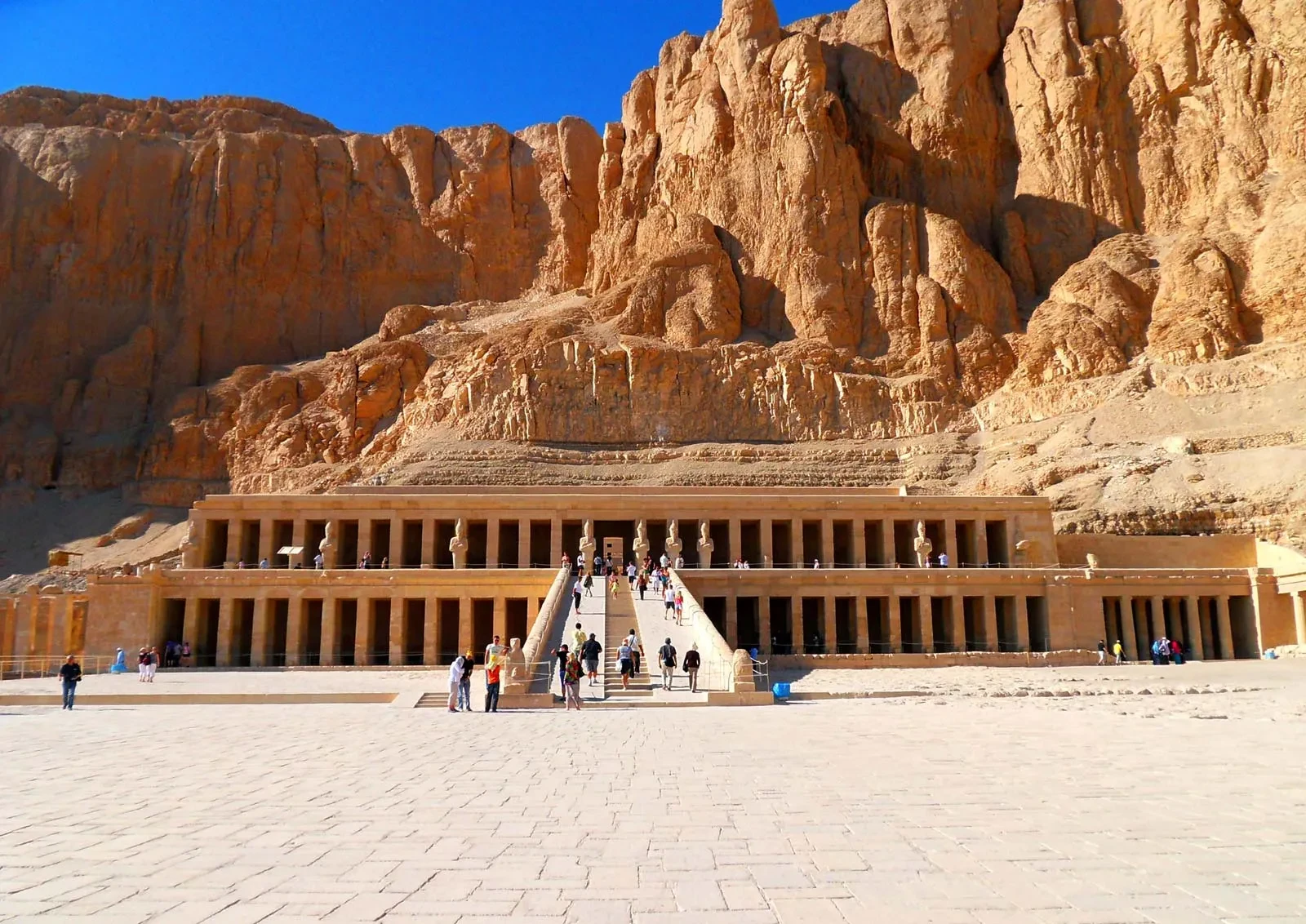
Temple of Hatshepsut:
Built into the cliffs of Deir el-Bahari, this temple honors one of Egypt’s most remarkable female pharaohs. Its stepped terraces and detailed reliefs highlight her reign and her divine status in Egyptian history.
The Colossi of Memnon:
Standing tall now for more than 3,000 years, the ideas were placed at the same entrance of the Mortuary temples of King Amenhotep. These statues never ceased to impress visitors even to this day with their magnitude and craftsmanship. Medinet Habu:
Constructed by Ramses III, this temple has beautifully preserved relief illustrations of his military victories as well as reflections on the religious rituals and royal power that will provide us with a panoramic view into ancient Egyptian life.
Valley of the Queens:
This valley is the burial place for queens and royal offspring, among them Queen Nefertari. It is serene and stunning allowing the visitors to have a glimpse of the lifestyles and beliefs of the royal family of Egypt.
Ramesseum:
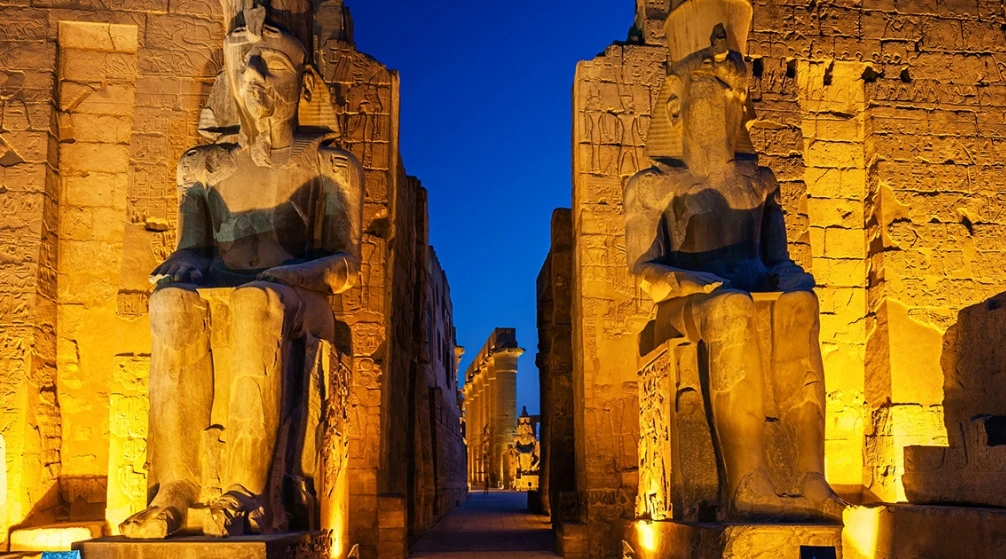
The temple dedicated to Ramses II is a large statue area that attracts with colorful carvings and the depiction of the king’s great successes. It is a place of great historical significance and awe for anyone interested in history.
Tomb of Tutankhamun:
The king of the tombs in the Valley of the Kings is that of King Tutankhamun. Among the many valuables in his tomb is the golden mask, which is the most famous, and it reveals how this young king experienced life and death.
A Scenic Journey Along the Nile in Luxor
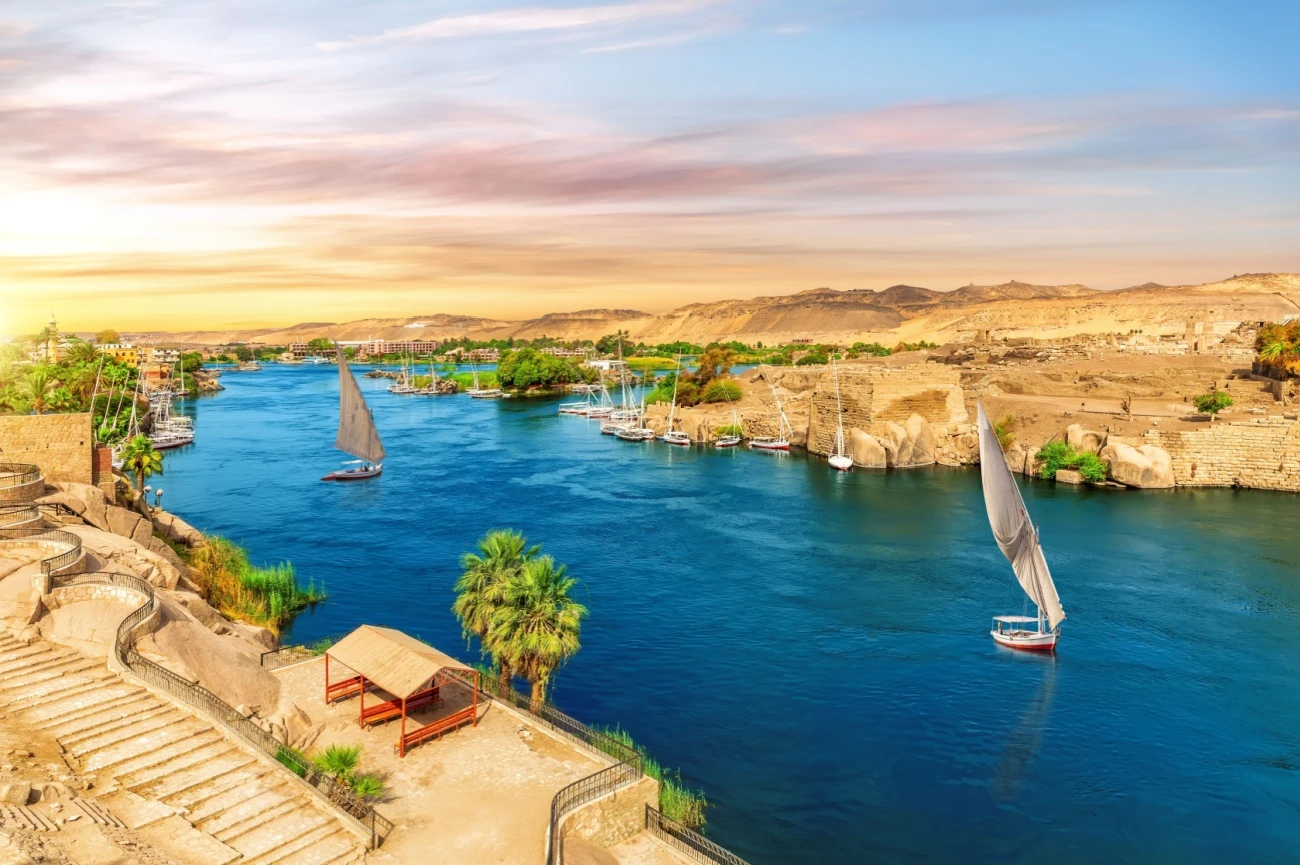
A Nile cruise is one of the best ways to explore Luxor, combining scenic beauty with ancient history. As you sail, you’ll pass lush landscapes and golden deserts, stopping at major landmarks along the way.
1- Valley of the Kings: Uncover tombs where the coffins are covered with bright paintings showing the Pharaohs' journeys to the afterlife.-
2- Temple of Hatshepsut: Enjoy the beauty of the gardens and sculptures that are incredibly placed at the brink of the Deir el-Bahari.
3- Colossi of Memnon: Witness the breathtaking sight of the massive statues guarding the tomb of the late king Amenhotep III.
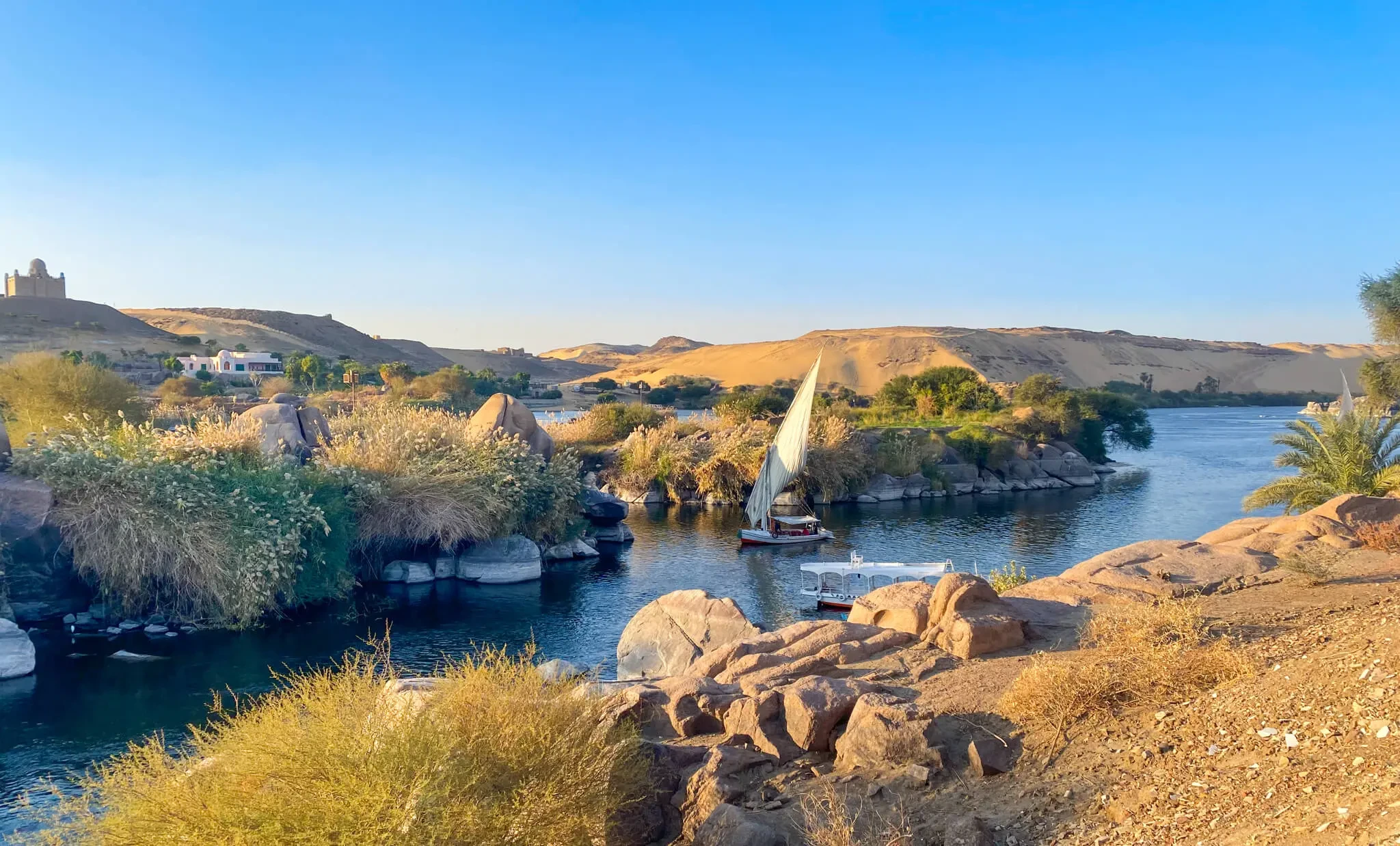
4- Nile Views & Sunset Cruises: Not only considering historical sites, a Nile river cruise reveals the nature of the river with its beautiful and green plants besides the gold-colored sands of the desert on the riverbank as the sun sets over them. You could nearly see yourself bathing in gentle golden light at that time of the day.
Five-star hotels, best guides and some viewpoint make it all lavish along with the experience of sailing through the wonders of Luxor and Aswan that would be the most beautiful among the memories of the lifetime. Luxor Nile cruises can do not only the relaxing cruise between the historical sites scattered throughout the city but also serving as the exposure to the sights, sounds, and tales of ancient Egypt.
You should get acquainted with the East Bank of Luxor after the West Bank. Every step taken is a story told from the Valley of the Kings to the magnificent Temple of Hatshepsut with grandeur, and mystery. If you are either an amateur or a professional historian or simply looking for thrills, a memory from Luxor's West Bank will be deeply rooted in your brain forever. A wonderful place will not easily release you from its charm even after you return home.
-webp.webp "10-Day Classic Tour to Cairo, Aswan, Luxor, and Hurghada")










-webp.webp)
-webp.webp)

-webp.webp)