

The East Bank of Luxor, Egypt's southern part, is one of the top places in the world from ancient history and ruins point of view. Besides the great Karnak Temple, which is the biggest religious complex ever built, it has also the Luxor Temple, which is extremely well-preserved. These two sites are the most visited by tourists, representing the strong religious and cultural life of ancient Egypt. The East Bank is also the home to the amazing temples, statues, and other buildings that were once the political and spiritual center of ancient Egyptian civilization and visitors can see them all.
Exploring Luxor’s Sacred Landmarks
Karnak Temple’s might
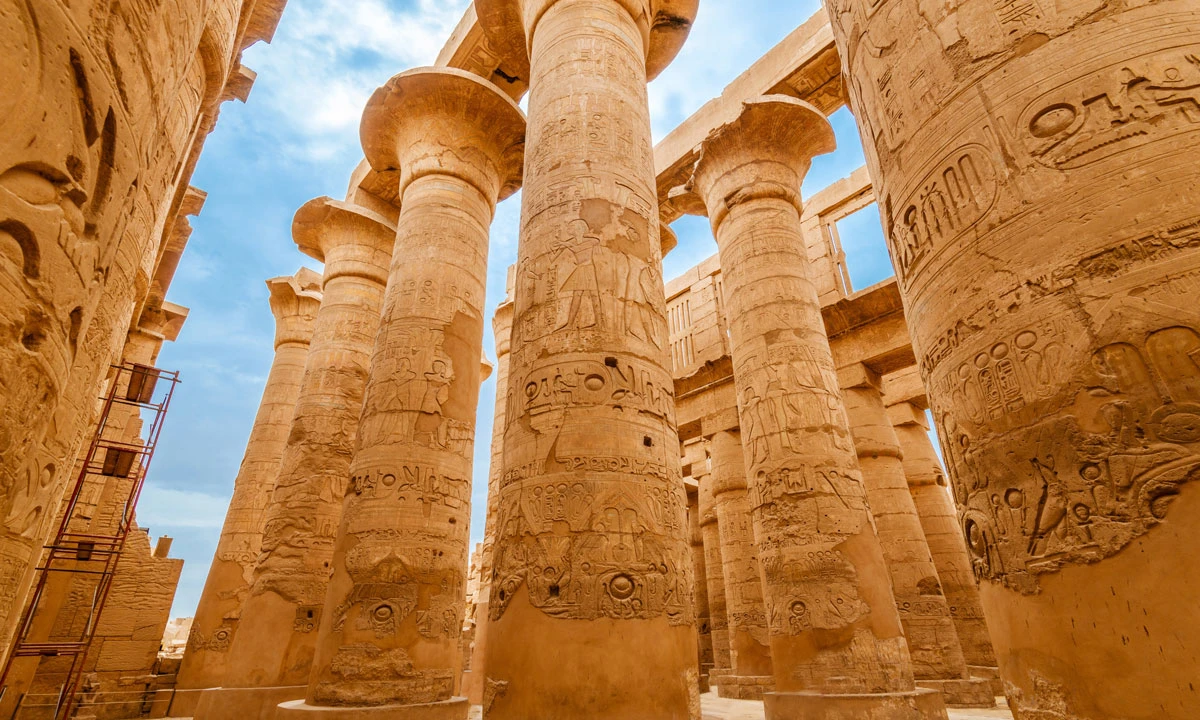
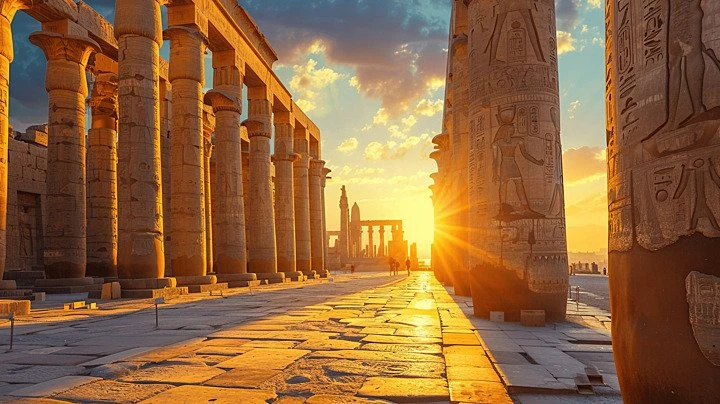
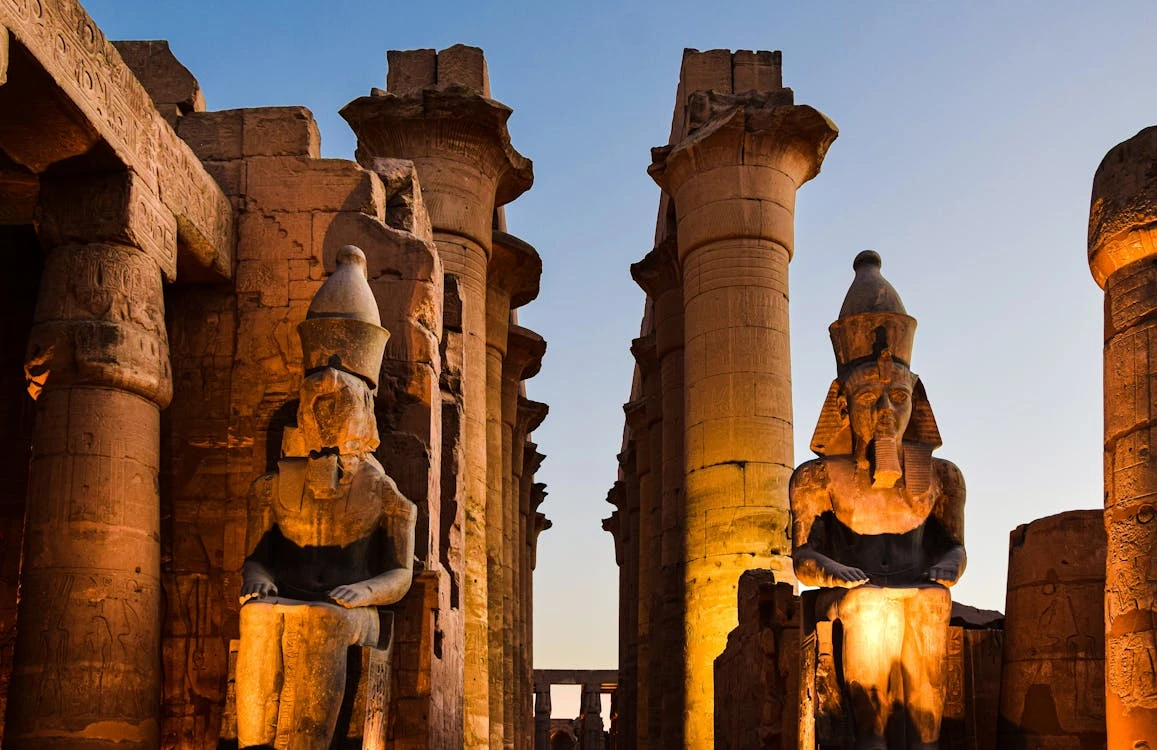
Karnak Temple is located on the East Bank of Luxor, the largest and most wonderful religious site in the world. It was primarily devoted to the Amun-Ra god and functioned as a worship center for almost 2,000 years. The complex is comprised of large pylons, immense statues, and the well-known Hypostyle Hall with 134 towering columns that demonstrate the genius of ancient Egyptian architecture. Every aspect of Karnak is narrating the sagas of kings such as Ramses II and Thutmose III who were expressing their triumphs and divine power.
Luxor Temple: A Place of Divine Kingship
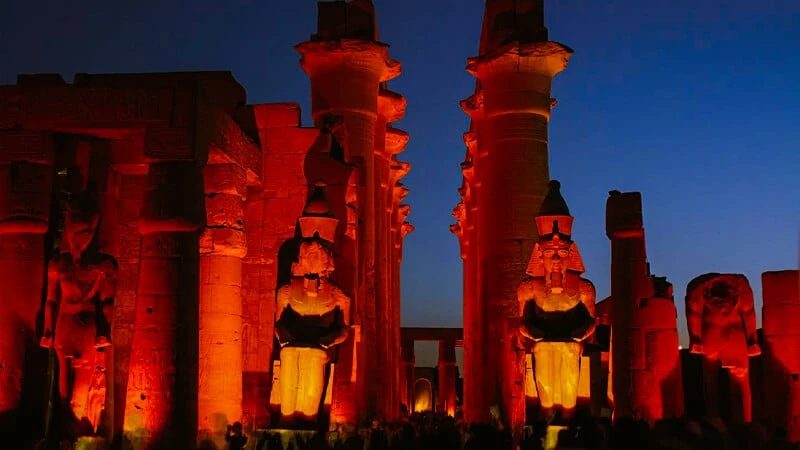
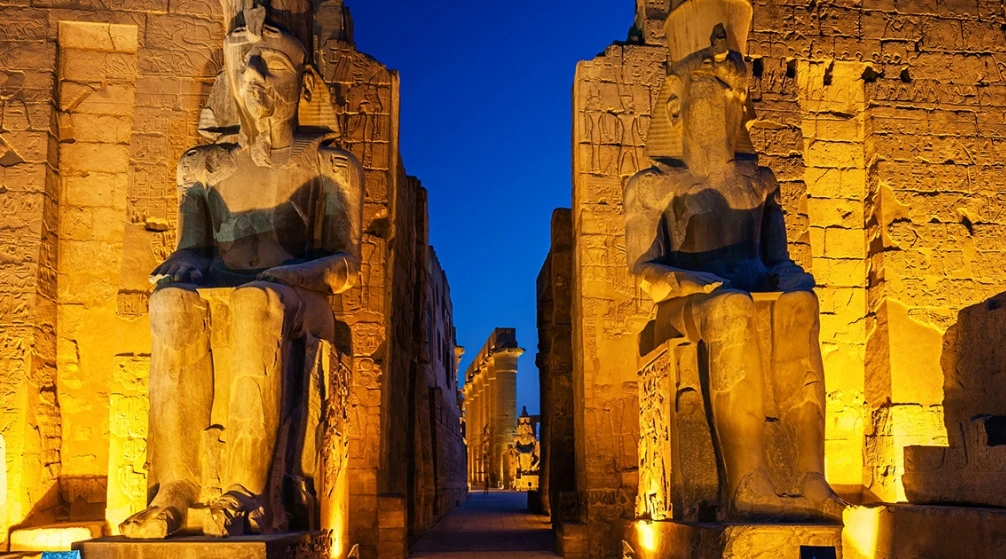
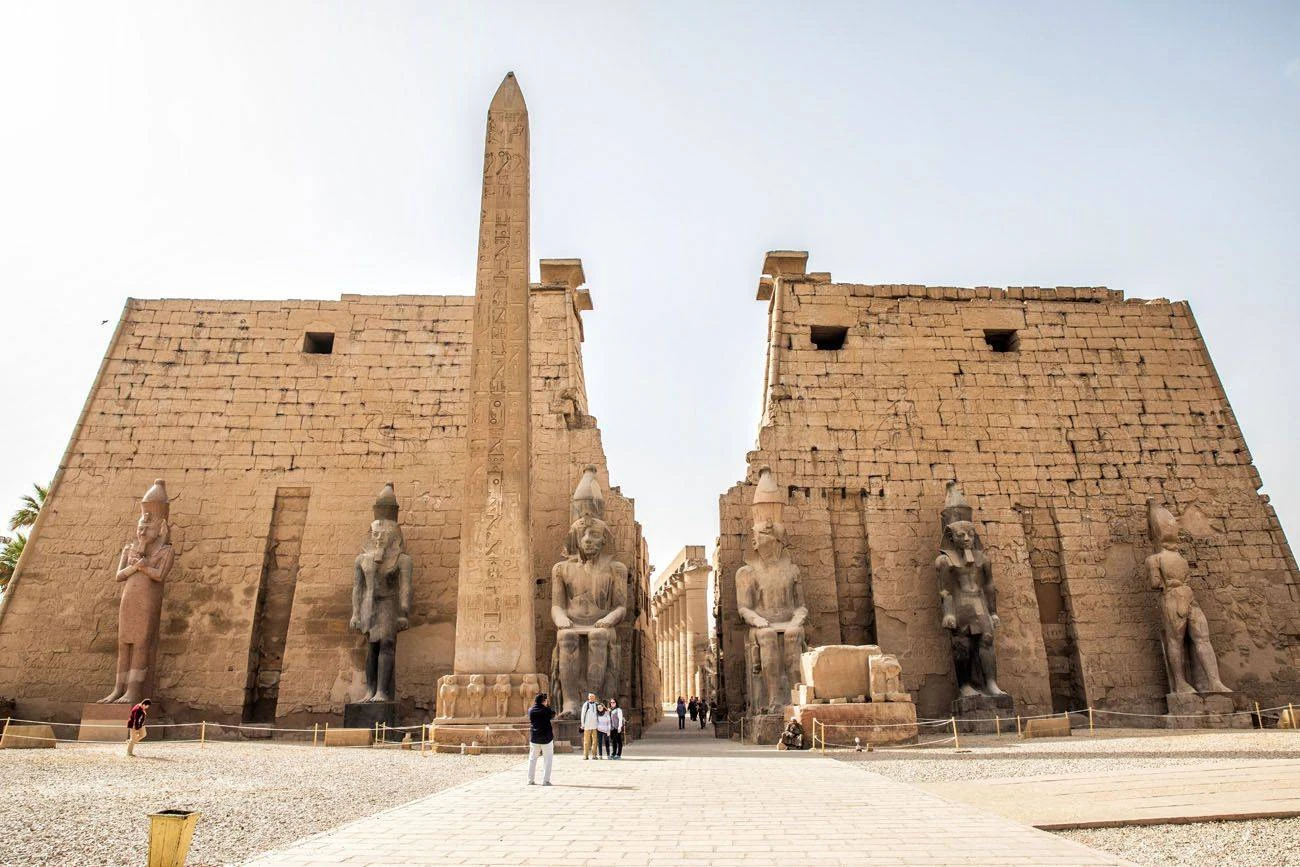
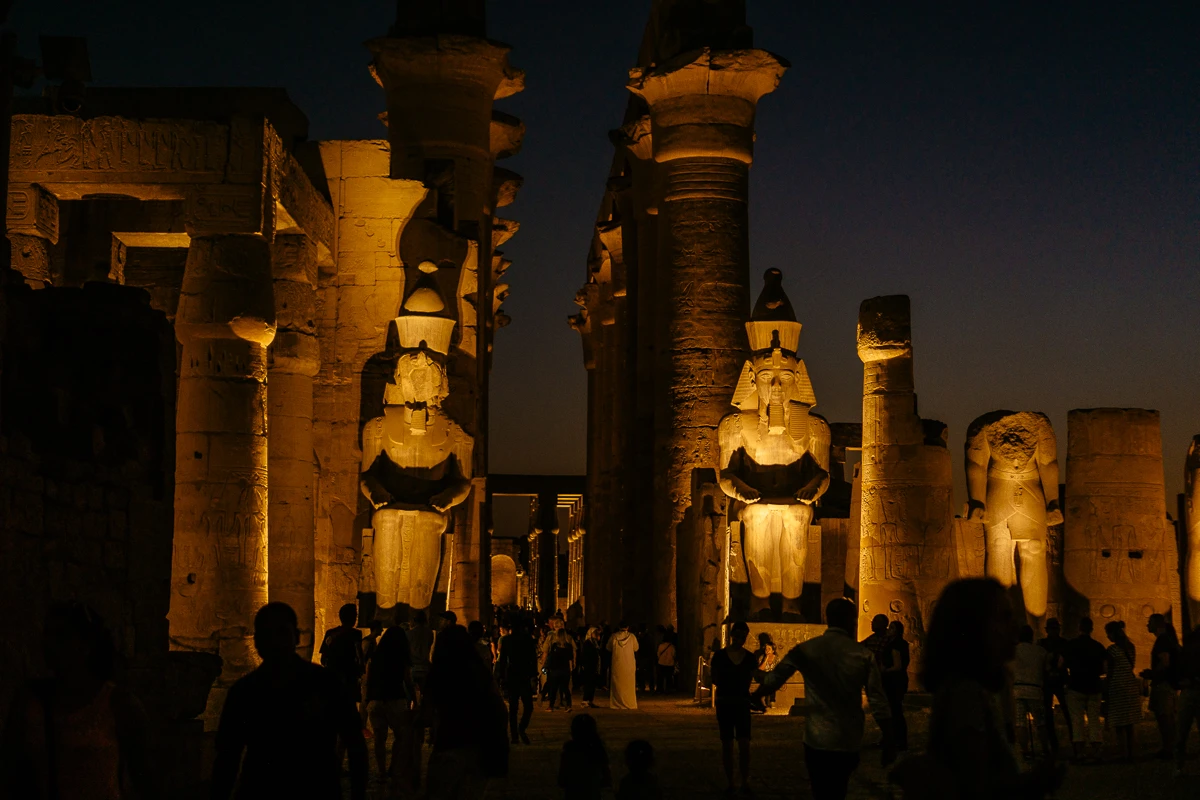
Luxor Temple, located very close to Karnak, is an admirable site for tourists due to its impressive architecture. Pharaoh Amenhotep III was the one who created this temple and then Ramses II continued to build it up; it was meant to the god’s renewal of kingship and the pharaoh’s divine power. The Opet Festival was a time when the pharaoh’s relationship with the gods was symbolically reinforced and, this temple was in the middle of it all. The grand pylons, high obelisks, and elaborate bas-reliefs depicting the pharaohs with gods are the features that underline the temple's importance and beauty.
Avenue of Sphinxes: Walking Through History
The Avenue of Sphinxes, which used to connect the two temples of Karnak and Luxor, was a remarkable road with sphinxes having ram heads on both sides. It was a ceremonial road where festivals and processions were held in all their magnificence. Now, with restoration work going on, a walk on the avenue can help one picture how grand and colorful the ancient Egyptian rituals were.
Exploring the Cultural Heritage of the East Bank
The East Bank does not only consist of monuments but also is an insight to the ancient Egyptian culture. The temple walls are adorned with intricate carvings depicting religious ceremonies, boasting the gods’ ways to the pharaohs, and acts of devotion. The Mummification Museum, one of the attractions in the vicinity, teaches visitors the techniques used by the Egyptians to make mummified bodies ready for the next world. Mummies, embalming tools, and the holy rituals of keeping one's body for eternity are among the things that visitors can see and learn about.
The Lasting Legacy of the Pharaohs
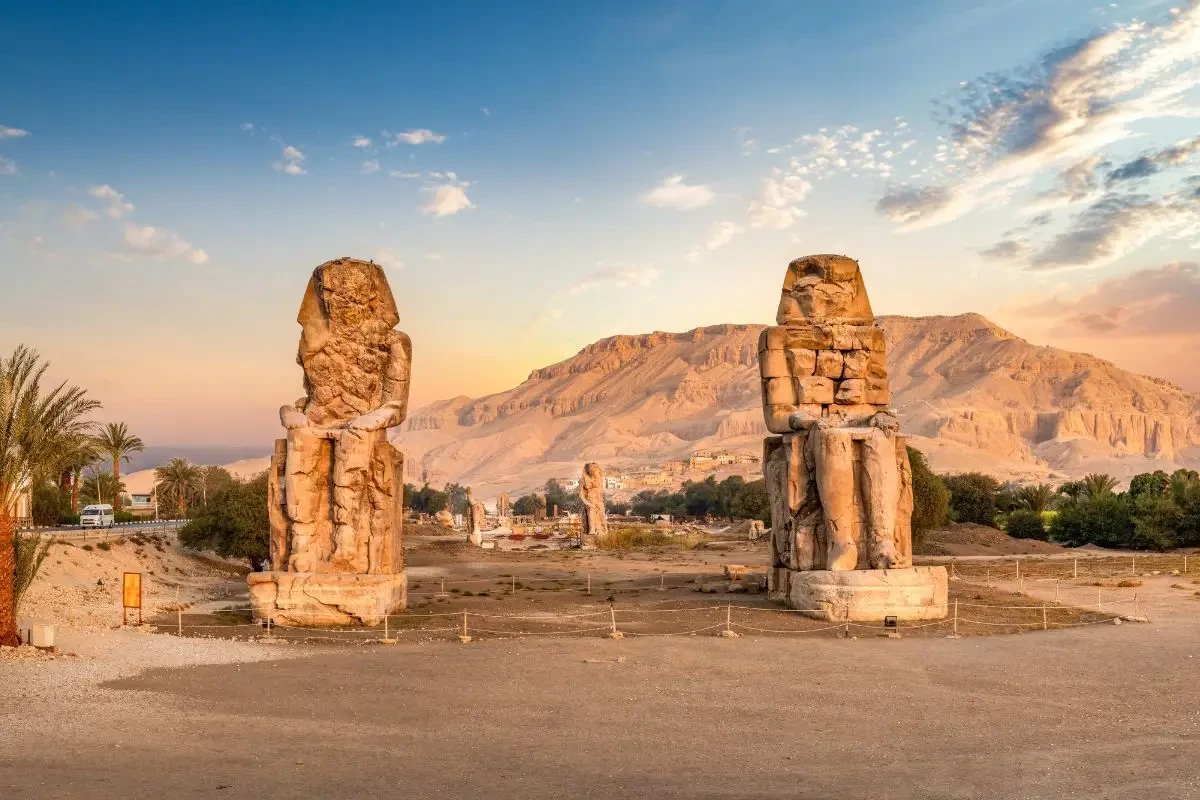
East Bank is home to some of the greatest monuments that Egypt has ever produced, among them the Colossi of Memnon, the two gigantic statues of Pharaoh Amenhotep III which have been overlooking the valley for more than 3,400 years. These enormous sculptures, despite suffering from earthquakes and erosion, still attract crowds and serve silently as a reminder of Egypt's splendid past.
An Unforgettable Experience of a Cruise on the Nile
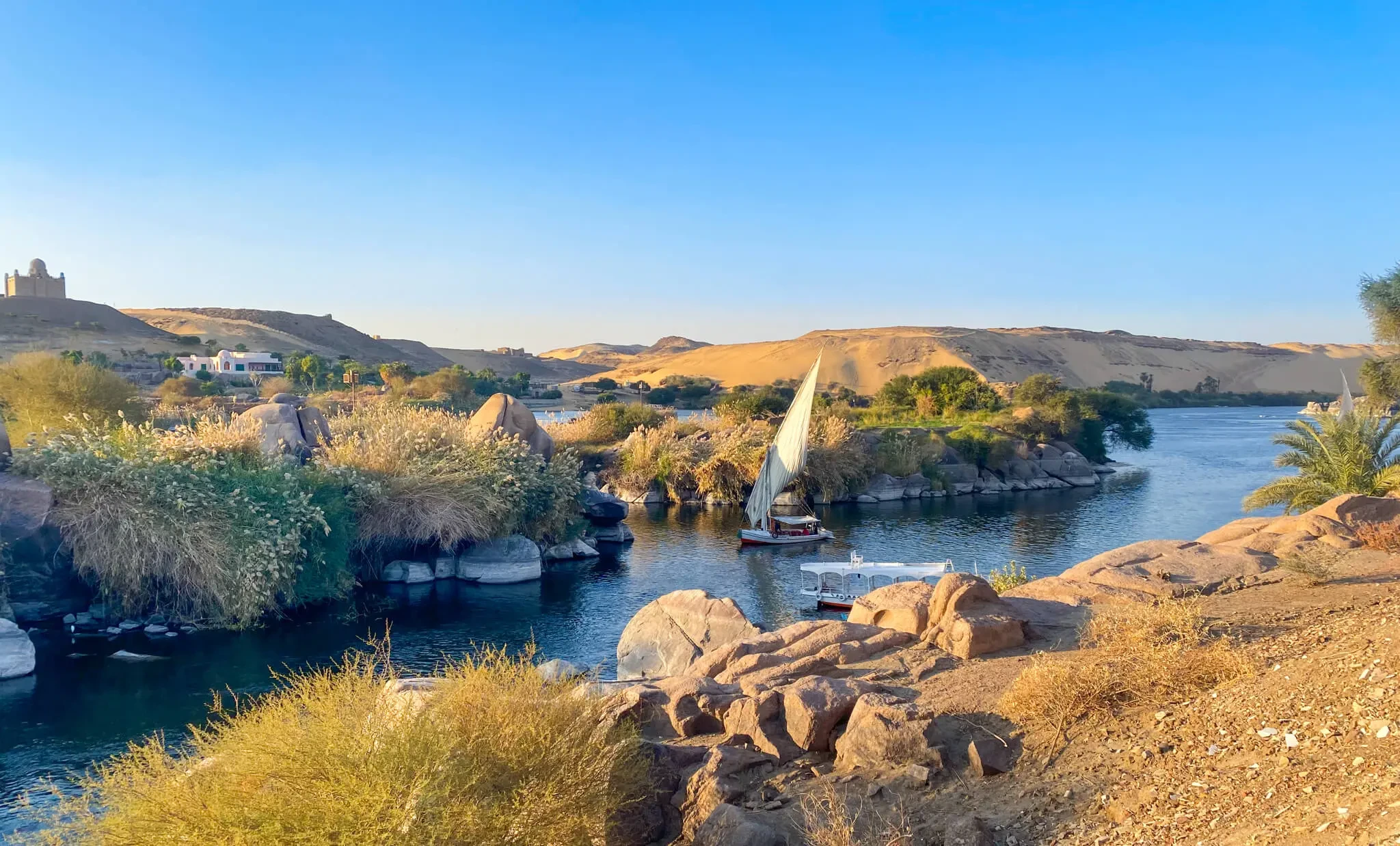
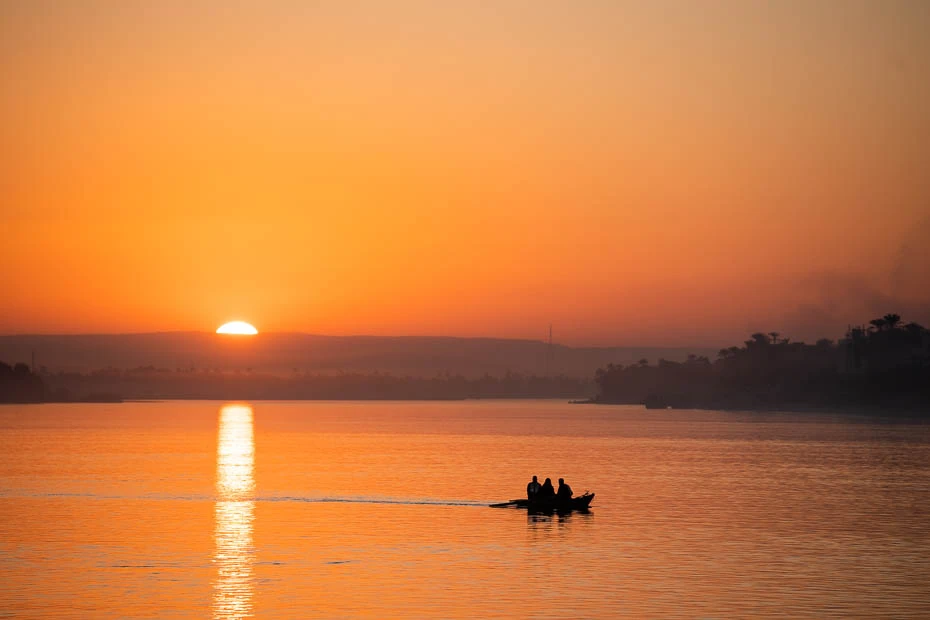
The East Bank of Luxor resembles more or less a complete ancient Egyptian experience rather than simply a heap of ruins. Each significant monument that embellishes the sprawling temple of Luxor and that of Karnak--the sphinxes and the Colossi of Memnon lining the avenue have an outside story to them of power, spirituality, and artisanship. The whole trip gets better on a Nile cruise where one gets to have a peaceful and beautiful time discovering the monuments while floating on the river that was once the source of this civilization's life. To visit the East Bank is not simply a case of sightseeing; it is actually entering history, experiencing and getting to know the eternal charm of Egypt.
-webp.webp "10-Day Classic Tour to Cairo, Aswan, Luxor, and Hurghada")




-webp.webp)
-webp.webp)

-webp.webp)