

The Temple of Seti I in Luxor is one of Egypt’s most fascinating ancient sites, attracting visitors from around the world. The temple which Seti I built as his royal burial site shows the architectural and religious practices which defined ancient Egyptian society during his time. The temple which ancient Egyptians dedicated to their gods Amun and Ra and Osiris stood on the west bank of the Nile River to reflect their spiritual practices.
The temple walls display vibrant hieroglyphics which show detailed carvings to tell stories about divine worship and royal power, enabling visitors to experience Egypt's mythology and historical past. The Temple of Seti I is a highlight of Luxor day tours and a key stop on cultural and religious itineraries in Egypt.
Next Holiday Travel offers tours that explore the mystery of ancient Egypt, from Luxor day trips to in-depth visits to the Temple of Seti I. The site which contains exceptional preservation and intricate artwork and historical value serves as a required destination for visitors who want to explore Egypt's remarkable attractions.
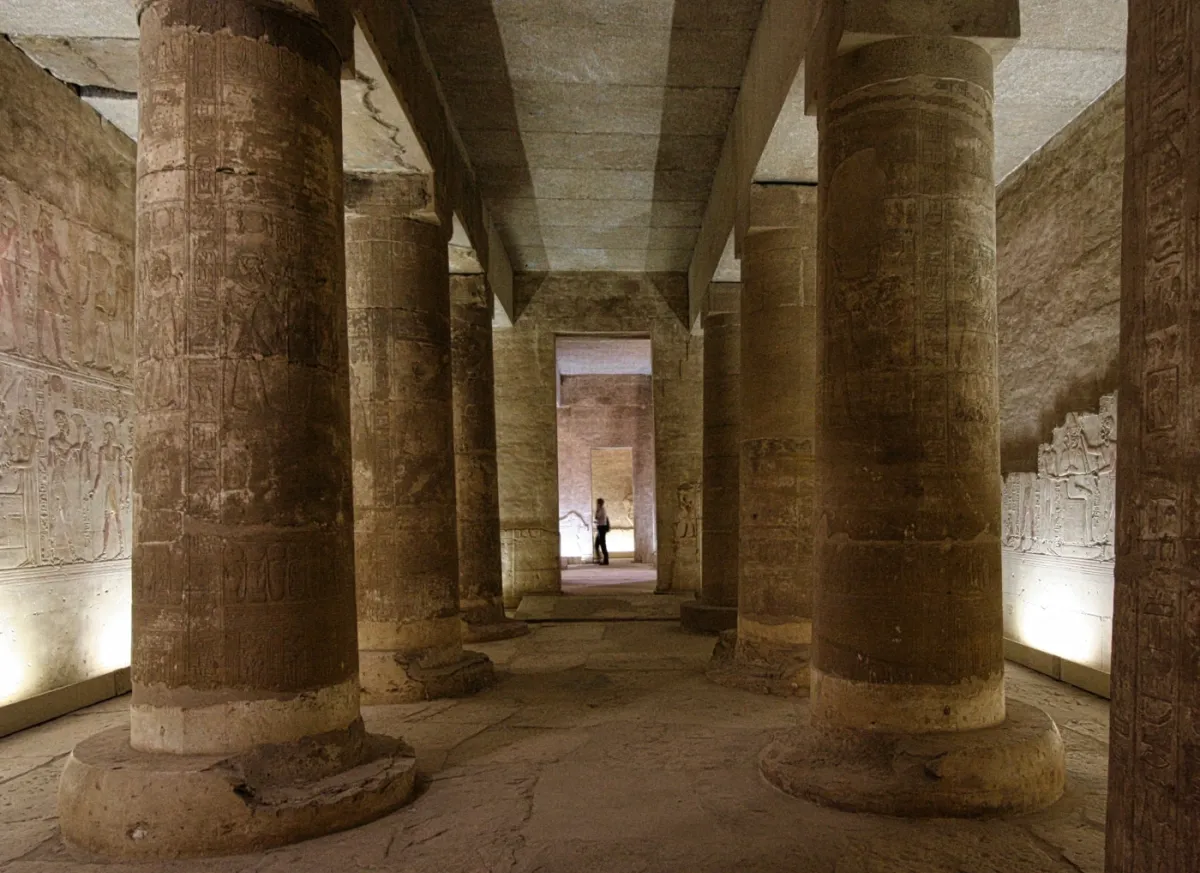
The Temple of Seti I: An Everlasting Wonder of Ancient Egypt
The Temple of Seti I, majestically poised along the west bank of the Nile in Luxor, is indeed a glorious corpse of the Ancient Egyptians. It was built by Seti I, a great pharaoh of the 19th Dynasty, and bears testimony to the absolute marvel and dedication of the ancient Egyptians in design and art. The temple is dedicated to the gods Amun, Ra, and Osiris and somewhat elucidates the religious life and beliefs of the ancient time.The walls of the temple are covered with colorful hieroglyphics and elaborate carvings depicting the worship of divinities, royal deeds, and ancient myths. The amazing details act as a transport for any visitor straight into the annals of Egypt’s past civilization; thus, it is a must-visit site for history buffs and wanderlust.Included within many day trips in Luxor and cultural tours in Egypt, Seti I’s Temple remains one of the most valued in the region. Its awesome preservation, aesthetic brilliance, and historical significance act as the unforgettable highlight of any trip into the wonders of Ancient Egypt.
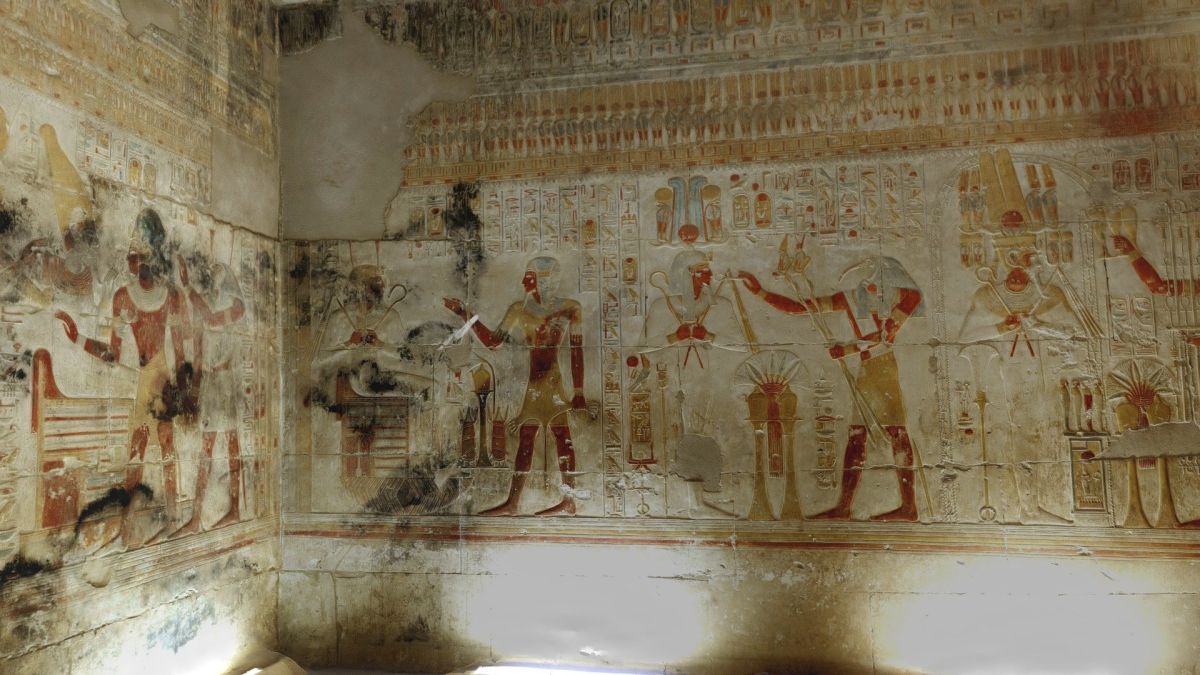
Discover the Location of Seti I’s Temple
Seti I's Temple is situated on the west bank of the Nile River, opposite the city of Luxor, one of Egypt's more ancient cities. Built by Pharaoh Seti I of the 19th Dynasty, the temple was plotted on a gentle and quiet agra site so that one could appreciate the architectural brilliance as well as the spiritual level of Ancient Egypt. The Temple was set here to honor the gods Amun, Ra, and Osiris; a testimony of a great part of religious worship that far transcended Egyptian society. The temple being situated in association with one among the Luxor day tours or whatever the larger travel factor in Egypt may be, thus securing convenience and awe for tourists. Visitors can revel in the exquisite carvings still preserved to this day, the hieroglyphics language, and structural design juxtaposed against Highly Skilled artistry of that era. Surrounded by nature along the banks of the Nile River were the ageless sceneries of the western bank of Luxor, the temple gets its cultural-historic background that lends it to a peaceful and somewhat powerful interpretation of how the world might have been. A visit to Seti I’s Temple provides travelers with an opportunity to step directly into the world of Ancient Egypt, experiencing the grandeur, faith, and legacy that continue to define this extraordinary civilization. It remains a must-see destination for anyone seeking to explore Egypt’s rich history.
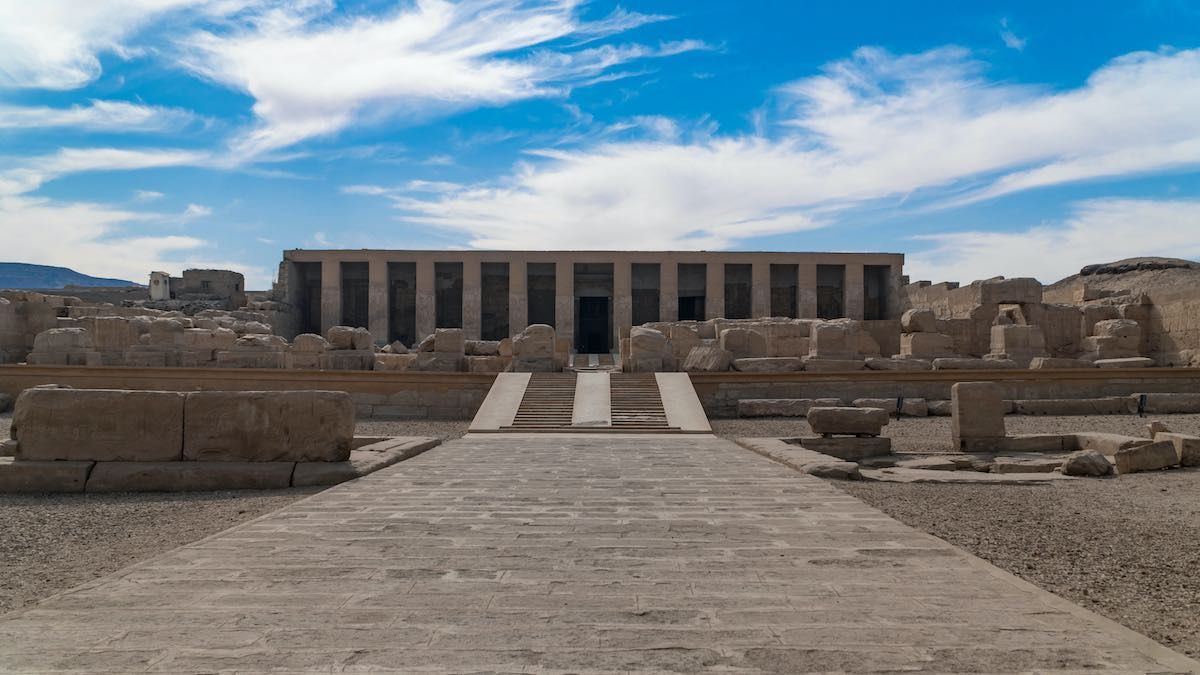
The Legacy of Seti I Temple at Abydos
One of the most historically significant wondrous sites of Egypt, the Seti I Temple at Abydos presents invaluable glimpses into the ancient era of civilization. The temple has been made for Seti I of the 19th Dynasty to worship Osiris, Ra, and Amun, thereby depicting the rich spiritual beliefs of that period in history. The site's location in Abydos, a city that had long been held sacred, hence lend the temple such religio cultural importance.The temple walls in this place contain bare walls of intricately carved hieroglyphs and colorful reliefs that tell stories of divine worship, feats of kings, and Egyptian mythology. Through these artistic masterpieces, one can track the legacy of Seti I and get a glimpse of not only the grandeur that his reign stood for but also the rich fabric that enfolds the history of Abydos.The journey to the temple of Seti I usually finds a place in Egyptian culture and heritage tours. The magnificence of its architecture, the spiritual nature, and the art well preserved Its all invite anyone who wishes to see what has survived the sands of time on behalf of Ancient Egypt.
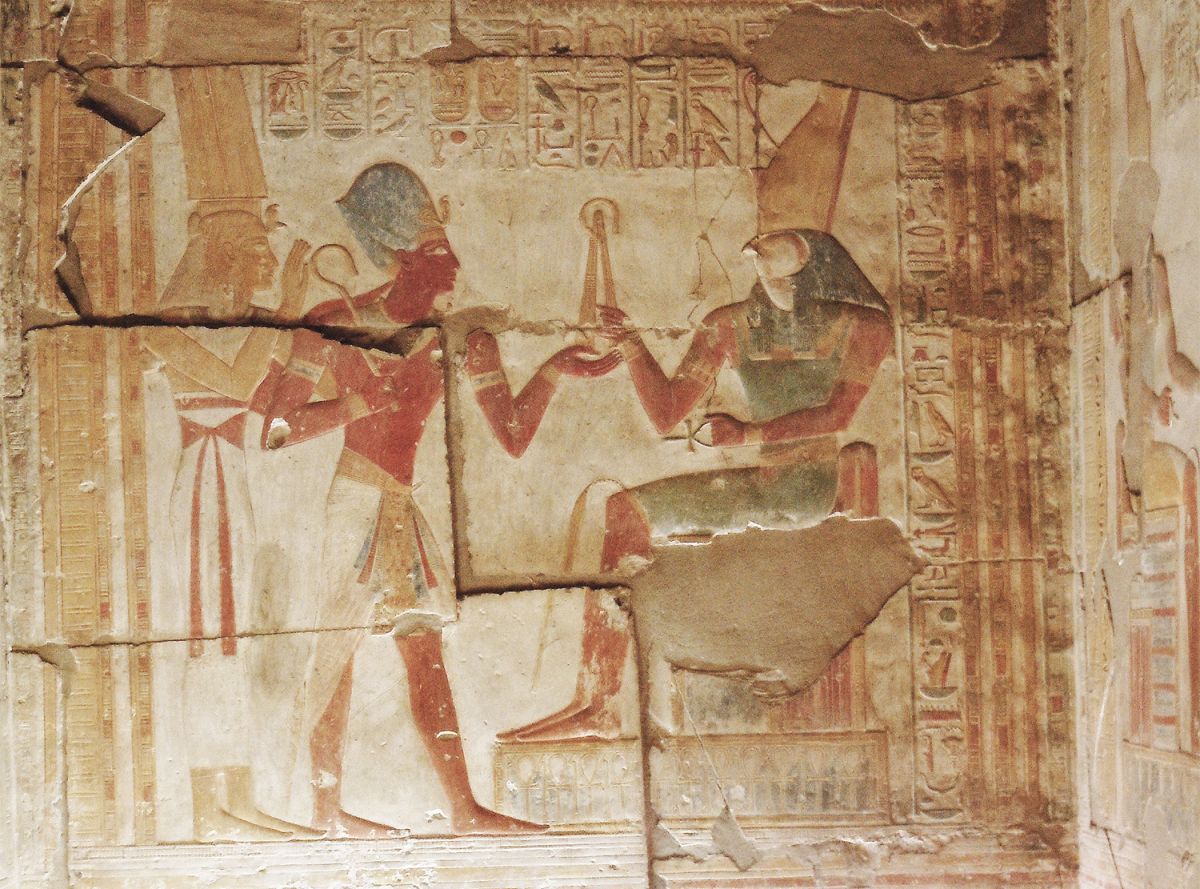
Why the Temple of Seti I is a Highlight of Ancient Egypt
The Temple of Seti I stands as one of Ancient Egypt's most valuable monuments because its massive size and exceptional architectural design. The temple which Pharaoh Seti I built displays detailed carvings and painted hieroglyphs that show the pharaoh's religious commitment to the gods and his crucial religious ceremonies.
The temple situated in Abydos which served as an important religious site contains historic value and spiritual importance because it shows how Ancient Egyptans practiced their religion and how they conducted their royal ceremonies. The New Kingdom period shows its masterful artistry through its complete preservation and its excellent crafting. The Temple of Seti I which combines artistic beauty with historical value stands as a fascinating site that attracts both scholars and visitors who want to discover Egypt's ancient heritage.
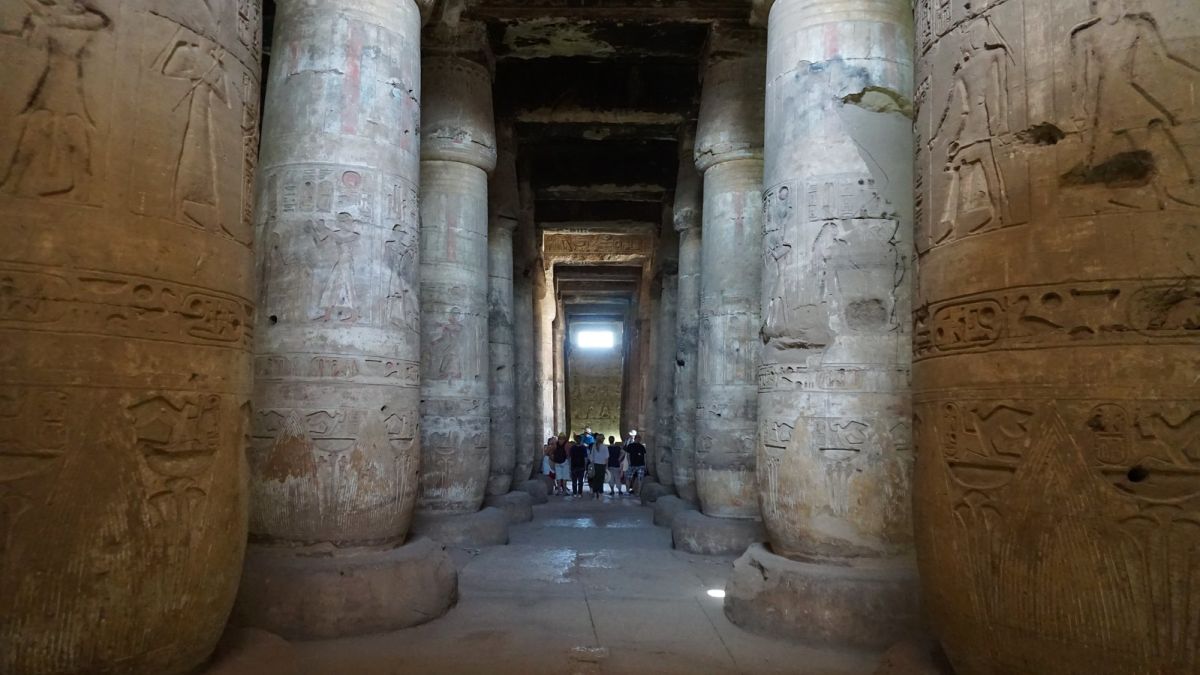
Seti I Temple in Abydos – A Journey Through Art and History
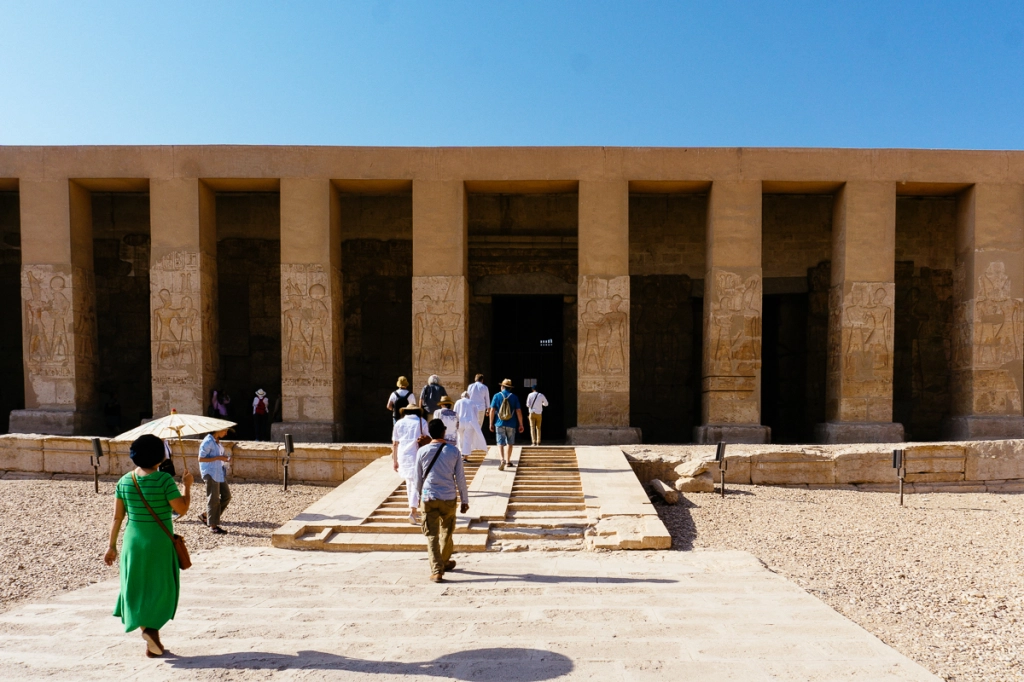
The Temple of Seti I in Abydos serves as an outstanding demonstration of ancient Egyptian artistic and architectural achievements. The temple was constructed by Pharaoh Seti I and exhibits the architectural excellence which characterizes New Kingdom edifices. The temple hypostyle hall contains multiple elaborately designed columns while its courtyards and pylons and sanctuaries maintain conventional Egyptian architectural elements which display graceful distinctive design features.
The walls display colorful hieroglyphics together with multicolored reliefs that show divine gifts and royal festivities and mythological narratives. The details present inside the temple show how Seti I dedicated himself to the gods while demonstrating his royal power which enables visitors to experience authentic religious practices from ancient Egyptian culture.
The Temple of Seti I presents an exceptional combination of architectural brilliance and artistic excellence which makes it one of the most outstanding ancient Egyptian heritage sites.
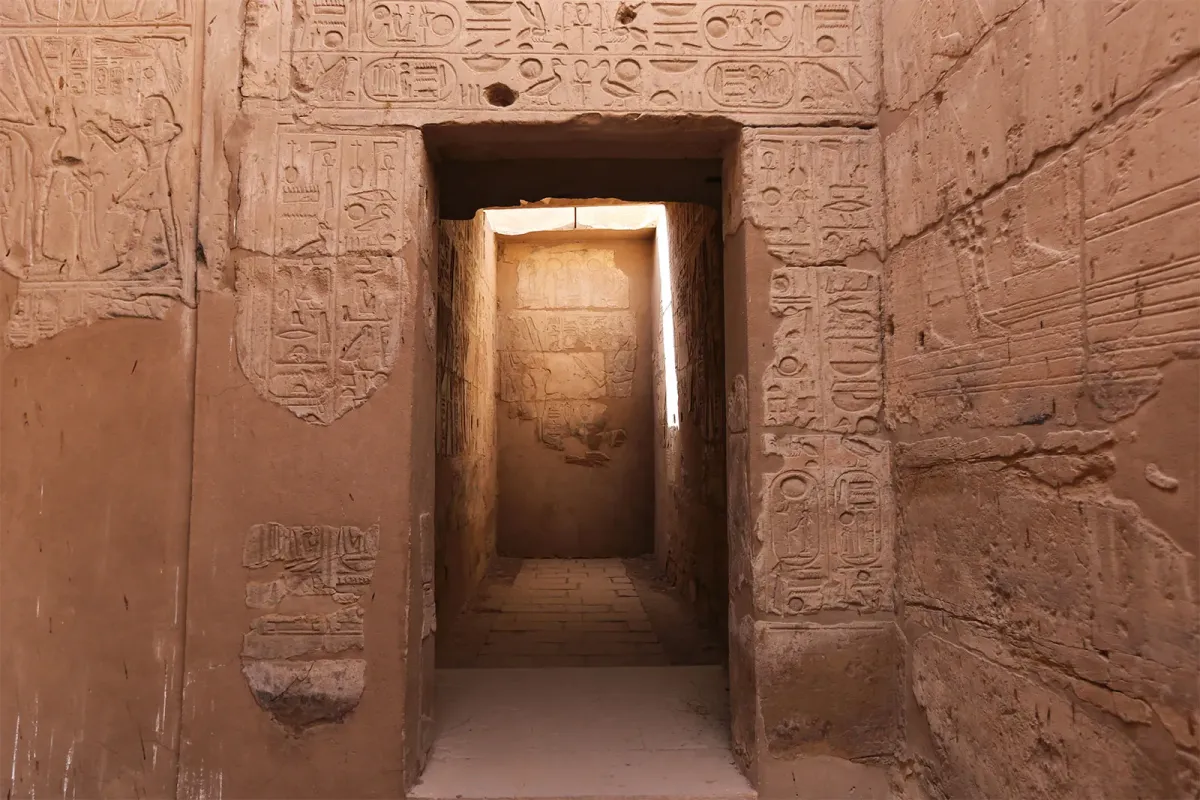
What Makes the Temple of Seti I a Jewel of Ancient Egypt
Located in Abydos, the temple of Seti I ranks among the most unique monuments of Ancient Egypt, appreciated for its architectural excellence and historical importance. It was constructed under Pharaoh Seti I of the 19th Dynasty, and owing to its dedication to various deities including Osiris, Amun, and Ra, it becomes a reflection of the spiritual fervor of the period. The temple is renowned for being L-shaped, with deeply chiseled walls and exquisitely painted papyrus columns that make a magnificent display of the skills of the ancient craftspeople of Egypt.The temple's most attractive feature is the Abydos King List, which lays down the kings in chronological order and provides invaluable knowledge regarding the dynastic history of Egypt. The variedly detailed reliefs show either ritual acts, myths of the divine, or royal achievements and thus somewhat convey to the visitor the views and culture of the ancient Egyptians. Today, the temple of Seti I still receives many visitors and historians, standing as a ceaseless jewel of Egyptian heritage and a point on any Abydos itinerary not to be missed by all.
The one day Luxor tour offers one of the best views at Egyptian ancient civilization. One of the maybe most interesting archaeological sites, it highlights the splendor with history that form Egypt's timeless culture. These very long pillars and endearing hieroglyphs were a means basically of giant thoughts into existence via temple-building-for in whatever capacity, Karnak's very name must be held in great respect. And along this fashion lies the Luxor Temple, with its larger than life entrance pylon and the infamous avenue of sphinxes, both hoisting the bar for New Kingdom glory very high.In the West Bank, the tour heads to the Valley of the Kings, where elaborately decorated tombs are constructed for the legendary pharaohs, including Tutankhamun. The Temple of Hatshepsut was constructed to honor one of Egypt's very few female rulers, while the Colossi of Memnon provide a striking view of gigantic statues that once protected the grand temple.
Whether enjoyed as a dedicated Luxor day tour or as part of a wider Egypt itinerary, this experience immerses travelers in the wonders of ancient Egypt, allowing them to witness firsthand the historical significance and remarkable beauty of the country’s most treasured monuments a journey through time that is truly unforgettable.
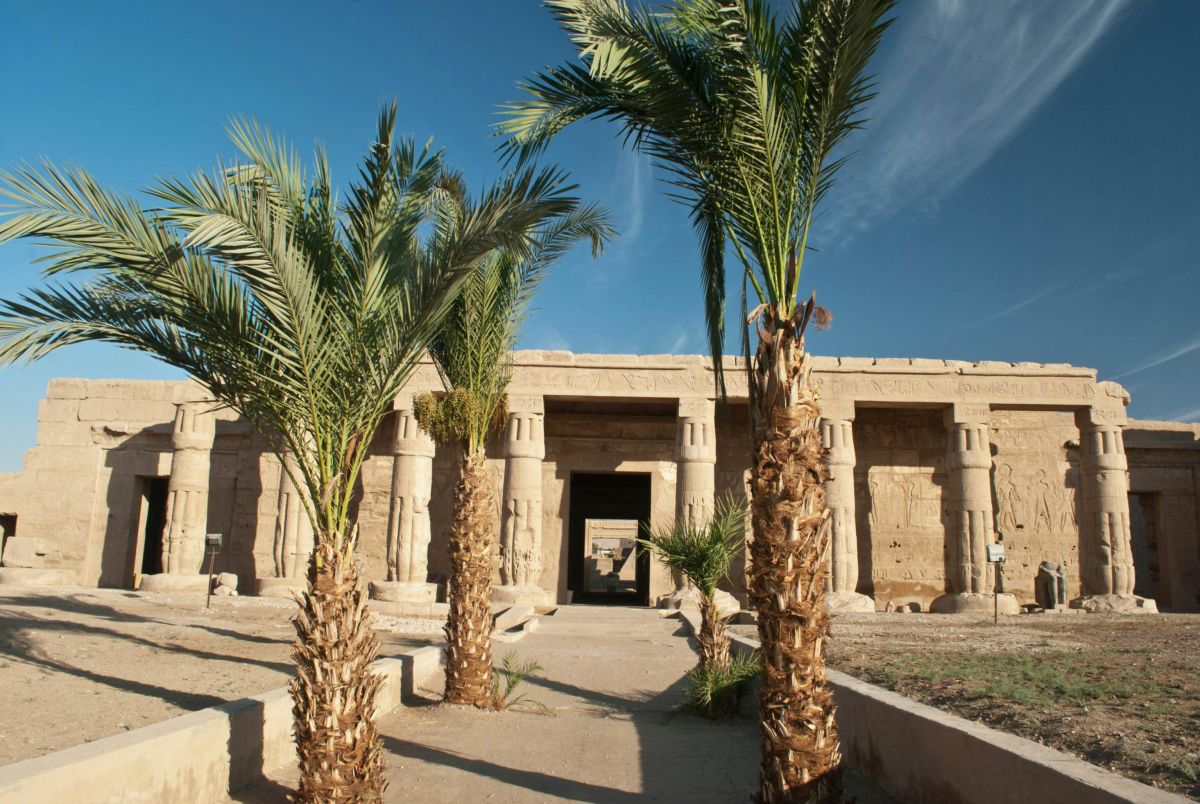
Explore the Reliefs and Inscriptions of the Temple of Seti I
The Temple of Seti I located in Abydos contains beautiful bas-reliefs and inscriptions which demonstrate the majestic nature of Ancient Egyptian royal and religious ceremonies. The walls display complex hieroglyphic writing together with precise artistic representations which demonstrate the exceptional abilities of New Kingdom craftsmen.
The Hall of Ancestors contains the Abydos King List which presents a chronological record of Egypt’s pharaohs while providing important information about the Egyptian monarchy. Many reliefs show Seti I conducting sacred rituals in front of deities which demonstrate his religious devotion and royal power.
The temple functions as an artistic masterpiece which holds historical and cultural research material that shows how Ancient Egyptians performed their religious and ceremonial activities. The site maintains its original state which makes it essential for all visitors who include academic researchers and tourists.
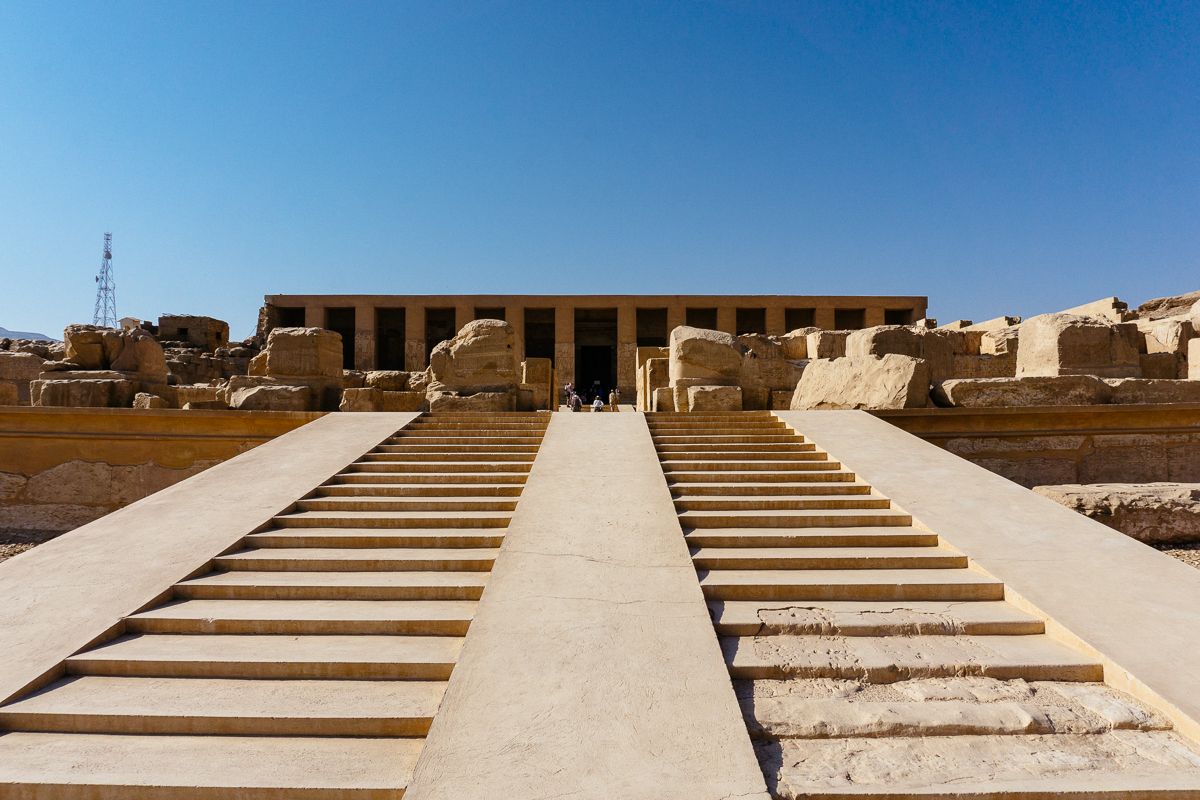
Luxor Day Tour
The full-day Luxor tour provides visitors with a chance to see the majestic beauty of ancient Egyptian civilization. The tour begins at Karnak Temple Complex which stands as a dedication to the powerful god Amun through its enormous columns and its gigantic statues and its walls which display detailed hieroglyphic writing.
The next stop brings visitors to Luxor Temple which showcases its beautiful front pylon and its famous Avenue of Sphinxes. The Valley of the Kings located on the West Bank requires visitors to cross the Nile river to see its royal tombs which include the world-famous tomb of Tutankhamun.
The architectural masterpiece of Temple of Hatshepsut functions as a memorial to Egypt's most powerful female ruler while visitors can view the Colossi of Memnon which consists of two enormous statues that formerly protected a majestic temple.
The day tour provides visitors with an extraordinary experience which combines Egypt's historical legacy and its cultural heritage to create an essential experience for all Luxor tourists.
The Luxor day tour provides the best way to discover Egypt's ancient heritage. The Luxor open-air museum which people consider the most outstanding open-air museum in the world provides visitors with an extensive historical experience that spans multiple thousand years of ancient Egyptian history.
Your day starts at Karnak Temple which displays its massive statues and tall columns and detailed hieroglyphics as symbols of ancient Egyptian religious devotion and architectural achievement. The Luxor Temple features its famous Avenue of Sphinxes together with its outstanding architectural designs from the New Kingdom period.
The West Bank Nile crossing leads to the Valley of the Kings which contains royal tombs decorated with beautiful artwork including the tomb of young pharaoh Tutankhamun. The Temple of Hatshepsut dedicated to Egypt's most powerful female monarch serves as a dramatic end point of your trip which concludes at the Colossi of Memnon two enormous statues that used to protect an ancient temple complex.
A Luxor tour provides visitors with an exceptional experience of ancient Egyptian monuments which they can enjoy either as part of larger Egyptian tours or as independent day excursions.








-webp.webp)
-webp.webp)

-webp.webp)