

One intriguing stop on Luxor day tours is the well-known Mummification Museum, which is tactfully sited right in the centre of Luxor. The museum offers an incredibly rare and informative look into the culture of ancient Egypt, live and from the inside. It sets itself apart from many stops on Egypt day tours in its total focus on the art and science of mummification with lifelike displays and informative media.
Mummification served as an essential part of ancient Egyptian culture and was closely connected with beliefs in the afterlife and the endurance of the body. Thus, the museum introduces the principles behind the embalming process, and it exhibits the basic tools, canonic jars, and ankle weights used in the business of some old priests. In short, the museum gives a view into the impact of mummification on religious beliefs and the daily livelihoods of ancient Egypt. All exhibits are well-plattered, easy-to-understand, and full of keen interest to all types of visitors.
Understand the country's long historical figures by touching the shadows of its remains during the day of sightseeing on the relics of your next holiday. A stay in the capital of Upper Egypt, near the mortuary temple of Ramses II, is in order for Memnon. Either the hypocritical tales of the Nubian queens forays, or those of Pharaoh Akhenaten's few years spent in their separate homes in what was once the greatest city of the 18th Dynasty, Thebes.

Explore the Mummification Museum in Luxor
Discover the Mummification Museum, situated in the heart of Luxor, a wonderful site for the works of one who admires the history and culture of ancient Egypt. This rare museum offers a fork in the road to one trying to distill the complex art of mummification, one of the most fascinating processes of ancient Egypt. The displays include genuine artifacts such as canopic jars, embalming equipment, and panels delineating the methods and rituals employed in preserving the dead.Consisting of various halls, each section serves to animate the step-by-step process of mummification, including its spiritual meaning and place in the ancient Egyptian doctrine of an afterlife. It makes learning fun and entertaining, so the museum could be visited with travelers of all ages. Any day tour of Luxor is enhanced by a visit here, that offers insights into the ancient Egyptian culture and mysteries. A museum to fill a must-stop on every history lover's and journeyer's map.

Inside Mummies World at Luxor Museum
The Luxor Museum is a place to find the realm of mummies in one of the most amazing practices of an ancient civilization. The strange museum charts the history of the art and science of mummification by showing tools and rituals used in the preservation of the dead. Visitors see real items along with canopic jars and embalming equipment, whereas detailed panels illustrate the spiritual and cultural framework of mummification in Egyptian society.Travelling is nothing but fun and learning. These unique exhibits could be perfect for visitors taking a Luxor day tour as they rarely give the chance to view the preparations made by ancient Egyptians for life after death and how important mummification was to their culture. Here, the visit really brings history to life.

Location of the Mummification Museum in Luxor
The Mummification Museum is located in Luxor on the eastern bank of the Nile River near downtown. The museum is located close to some of the city's most famous monuments, such as Karnak Temple and Luxor Temple.
Spiritually situated at the very heart of the time-honored city, the museum is reachable during a sightseeing day and serves as an incredibly meaningful event for all Luxor travelers. Its central location makes it easy for organizers to schedule a visit to the museum along with the other major archaeological experiences.
Through its various prime locations, the Mummification Museum naturally provides a great opportunity for travelers to learn about the fascinating ancient rituals of Egypt together with a broader look at Luxor's ancient culture.
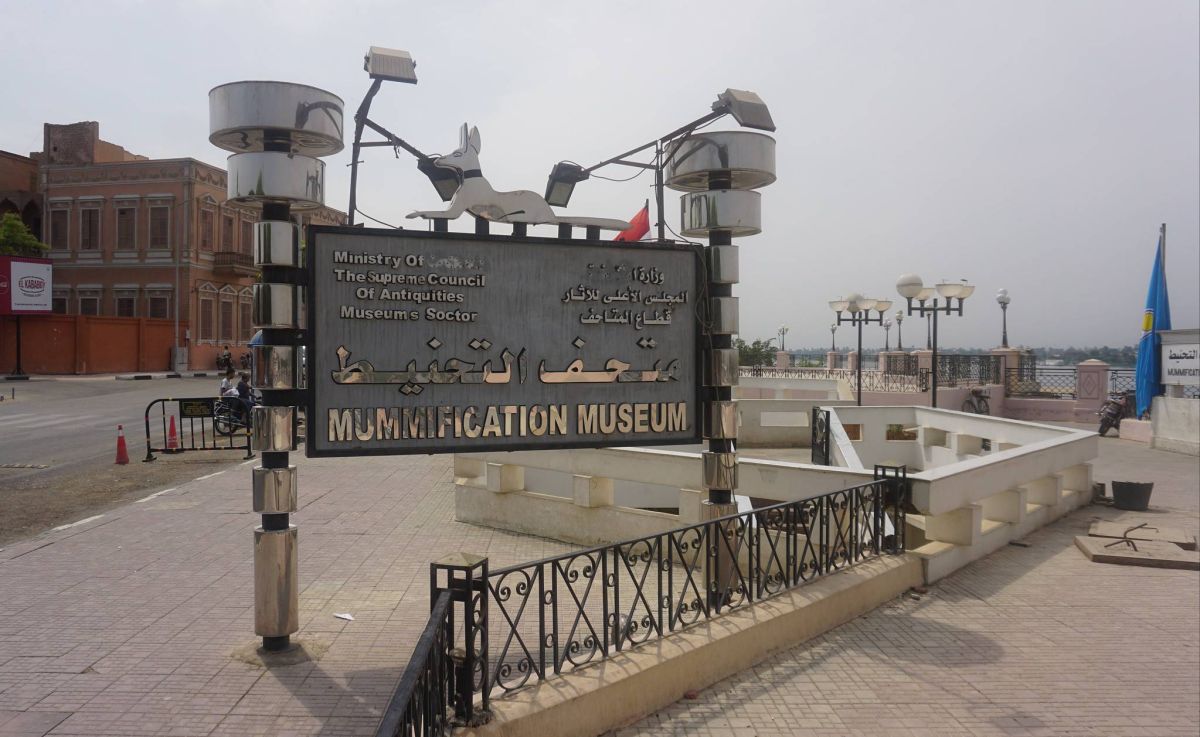
Explore Ancient Egypt at the Mummification Museum
The Mummification Museum is a truly iconic location for anyone curious about ancient Egyptian and Luxor history. It is situated on the banks of the River Nile, opposite the temples of Karnak and Luxor, where visitors can learn in an organized manner about the mummification process, an important part of Ancient Egyptian burial practices and beliefs about the afterlife.
The displays include various sacred tools used throughout the embalming process, canopic jars beautifully carved to preserve organs, and naturally preserved mummies that showcase the elaborate techniques used to prepare bodies for eternity. The exhibitions clearly explain the religious and cultural significance of mummification in Ancient Egyptian society.
A visit to the Mummification Museum brings any Luxor tour to life. It is recommended to arrive early and to have a guide for the best experience. Visitors should also check the museum’s photography policy in advance.

Must-See Artifacts in the Mummification Museum
The Mummification Museum in Luxor presents visitors with the complete process of ancient Egyptian mummification. Its main displays feature collections of embalming instruments, including knives and spatulas, as well as exquisitely adorned canopic jars, which were used to hold the internal organs removed during embalming.
Visitors can also explore the museum’s collection of mummies, along with their funerary masks and protective amulets, illustrating the methods ancient Egyptians used to prepare their bodies for the afterlife. Educational exhibits explain the burial customs, associated cultural beliefs, and ceremonial practices of the time
The Mummification Museum is a key stop on Luxor and Egypt day tours, offering visitors an immersive experience into one of Egypt’s most important cultural traditions.

Secrets of Mummification in Ancient Egypt
Ancient Egyptian mummification evolved into a detailed process designed to preserve the body for eternity. It began with the careful removal of internal organs, which were treated and then stored in canopic jars. The body itself was treated with natron, a natural salt, to prevent decomposition.
After around 40 days, the body was wrapped in layers of linen bandages, often containing protective amulets and spells. Oils and resins were applied to maintain dryness and prevent decay. Finally, the prepared mummy, along with funerary masks, amulets, and other objects needed for the afterlife, was placed in a tomb.
This intricate method reflected the Egyptians’ strong belief in life after death and their dedication to ensuring the deceased safely reached the next stage of existence.

Top Reasons to Visit the Mummification Museum in Luxor
The Mummification Museum in Luxor offers visitors an exceptional educational experience focused on Ancient Egyptian history. It provides detailed insight into one of Egypt’s most fascinating practices: mummification. Through displays of embalming tools, intricately crafted canopic jars, and preserved mummies, visitors can explore the death rituals, burial methods, and beliefs about the afterlife that shaped ancient Egyptian culture.
The museum’s carefully arranged exhibits make it an ideal stop for history enthusiasts, while its central location near major Luxor attractions allows easy inclusion in a full day of sightseeing. The Mummification Museum delivers an interactive experience that brings Egypt’s ancient history to life, making it a must-visit destination for anyone traveling to Luxor and Egypt.

Discover Mummification Rituals at Luxor Museum
The Mummification Museum in Luxor shows visitors the complete process of ancient Egyptian mummification which they used for body preservation to prepare for afterlife existence. The procedure began with the removal and preservation of internal organs which were stored in canopic jars.
The body underwent dehydration through natron which functioned as a natural salt mixture that absorbed moisture to stop decay for a duration of 40 days. The body received linen bandage wrapping which used resin-treated bandages for better protection and included amulets that provided spiritual protection.
The mummified body received placement inside coffins or sarcophagi together with essential funerary objects which they believed would support their afterlife passage. The museum exhibits display every mummification process step which allows visitors to understand the complete advanced rituals and religious practices of ancient Egyptian mummification.

The Mummification Museum in Luxor provides an interesting experience that brings visitors to explore one of ancient Egypt's most compelling customs. The museum during your Luxor day tours provides visitors with special access to advanced mummification methods which demonstrate how ancient Egyptians believed in life after death.
The exhibits display authentic embalming equipment and decorative canopic jars and intact mummies which each demonstrate different aspects of Egypt's historical development and its burial customs. Visitors to the informative displays can learn about the detailed methods used to maintain eternal body preservation which enables them to comprehend ancient Egyptian beliefs and religious customs.
The Mummification Museum in Egypt day tours provides visitors with better understanding of ancient Egyptian cultural heritage. The museum provides visitors with easy access to major Luxor attractions because of its strategic location which helps them enhance their travel experience. The museum provides visitors with an engaging experience which appeals to both history lovers and people interested in ancient customs. The museum visit through Next Holiday Travel helps you create your travel plan which results in unique experiences about Egypt's exciting historical timeline.







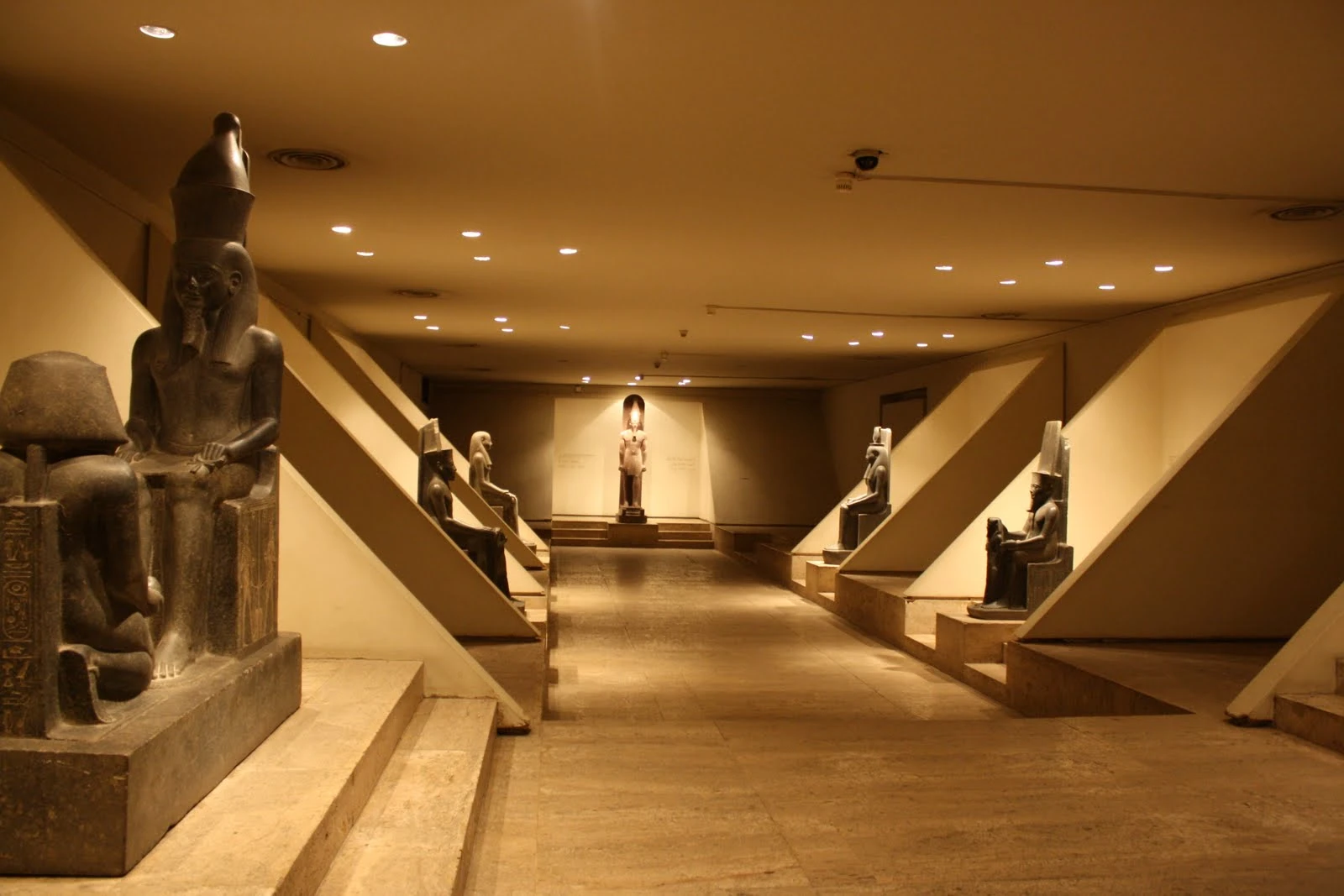

-webp.webp)
-webp.webp)

-webp.webp)