

The West Bank of Luxor is renowned as one of the most historically alive and fascinating areas of Egypt, which houses a fantastic assortment of ancient monuments that are known all over the world. It is right across the Nile from the Luxor of today, and it is nevertheless a paradise for archaeology lovers. The Valley of the Kings, a place where the tombs of the greatest pharaohs of Egypt, including the well-known King Tutankhamun, are hidden in the cliffs of the desert, is the most famous spot opened for everyone near this area. Visitors can also see the majestic temples of Hatshepsut and Medinet Habu, which are the characteristics of ancient Egyptian architecture in their prime, and be astonished by them. The Colossi of Memnon, huge statues, are standing right in the middle of the West Bank's area, looking like the silent giants, the protectors of an ancient time. Luxor's West Bank is a place where ancient Egypt's culture, art, and legacy are brought back to life for history lovers or just curious travelers. The West Bank is, indeed, a place to be visited.
Exploring the West Bank of Luxor: History Steeped in Every Step
Valley of the Kings:
With the tombs of Tutankhamen, Ramses II, and Seti I, this illustrious burial ground is considered the final resting place for the most powerful rulers of ancient Egypt. The intricate wall paintings and relics therein reflect the belief in the afterlife that the people of ancient Egypt entertained and shed light into the funerary rites of the elite.
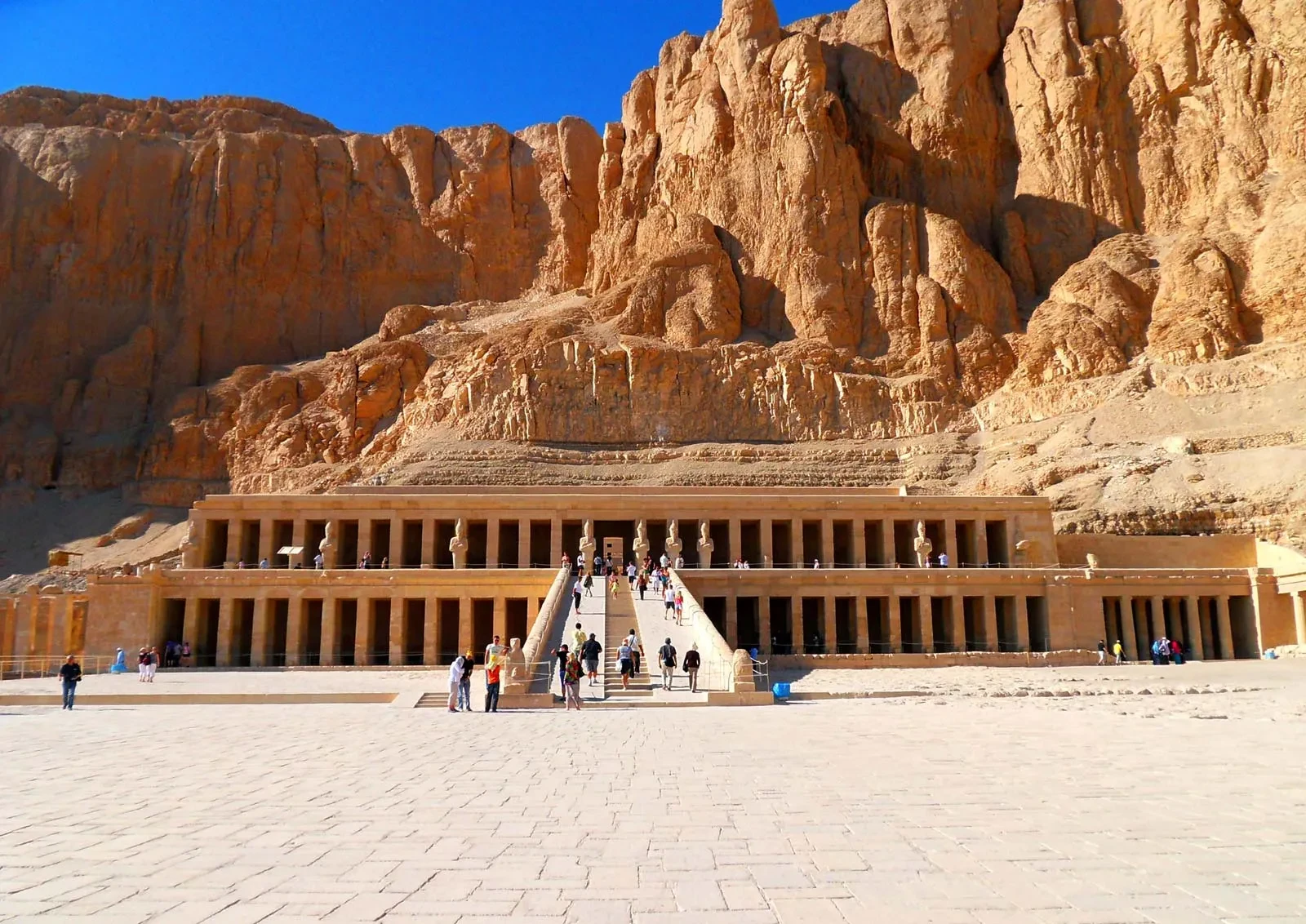
Temple of Hatshepsut:
Situated on the cliffs of Deir el-Bahari, this temple was dedicated to Hatshepsut--one of the well-known woman-Pharaohs of Egypt. Its multilevel terraces and elaborate carvings underline her great achievements and significance to ancient Egypt.
Colossi of Memnon:
For more than 3,000 years, the colossal figures of the Egyptian king Amenhotep III have guarded the ruins of his mortuary temple. The sheer size and the fact that they are still there after such a long time are both reminders of the greatness of ancient Egyptian monumental construction.
Medinet Habu:
The temple complex, which was built during the reign of Ramses III, is the largest in the city of the gods and is an open-air museum of Egyptian art and history. The reliefs that are still in good condition show military conquests, religious rites, and the god-given power of the king, thus giving a close-up view of Egypt’s history.
Valley of the Queens:
The tombs of the royal families and children, among them the tomb of Nefertari, decorated so beautifully, crown this quiet valley giving and taking a more personal view on the lives and afterlife manners of the Egyptian royal family.
Ramesseum:
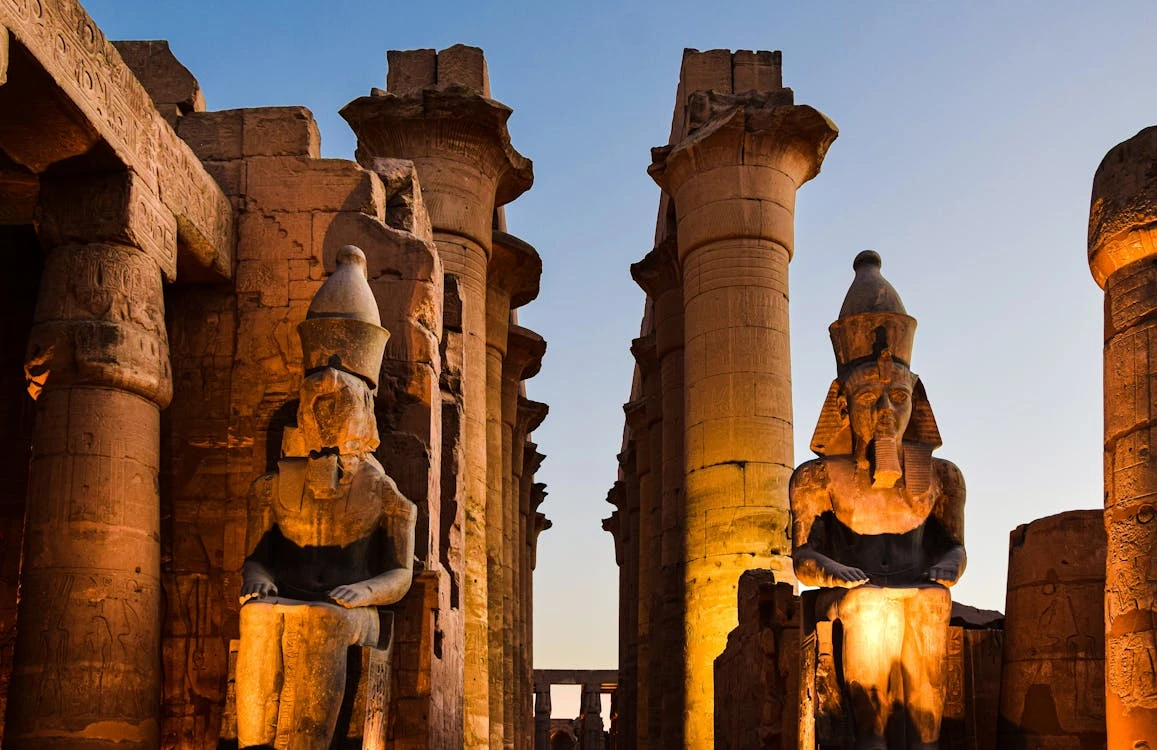
This mighty temple, built by Ramses II, is a direct witness to the king’s divine power and military victories. The huge statues and extremely intricate wall carvings represent the deeds of one of the most famous rulers of Egypt.
Tomb of Tutankhamun:
The burial chamber of Tutankhamun, which is the most famous tomb in the Valley of the Kings, is filled with the wonders of the past such as the legendary golden mask and others. It provides one of the most amazing views on the life and death of the "Boy King" of Egypt.
The Enchantment of Luxor’s West Bank
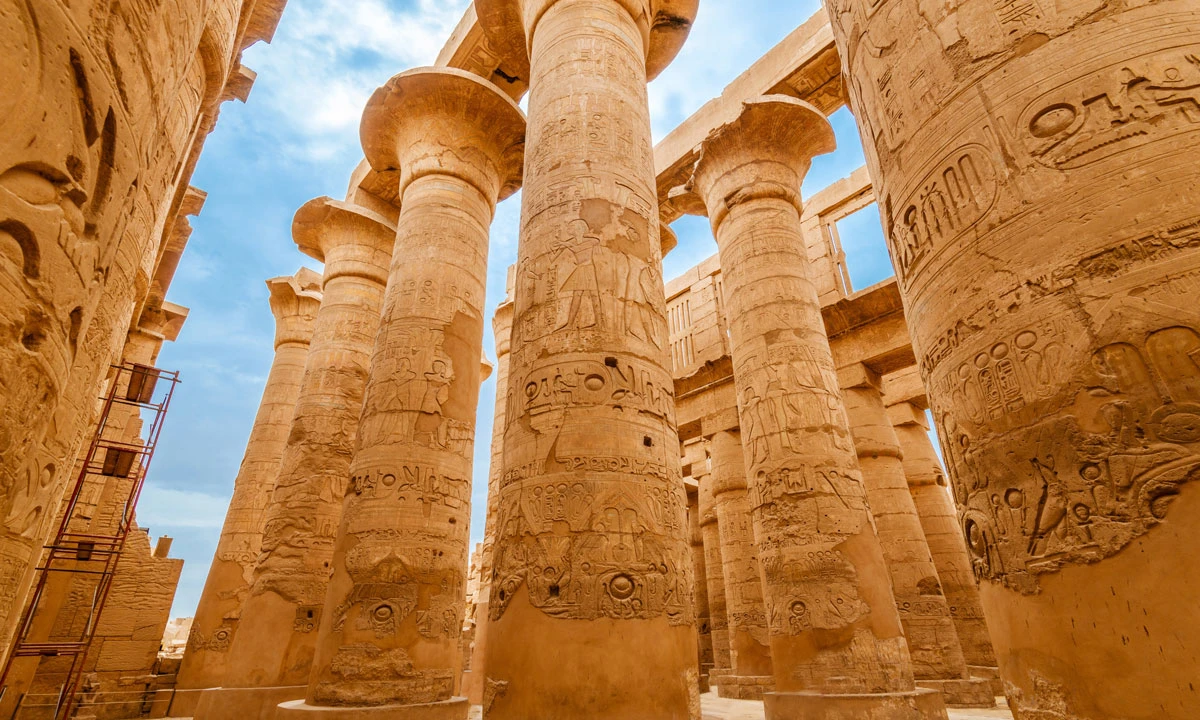
Traveling to the West Bank of Luxor is indeed like being transported back to the ancient Egypt's heart. The area is nothing short of a historical panorama with its magnificent tombs, temples, and giant statues. The West Bank is the place where the visitors can see the burial sites of famous pharaohs decorated with lively hieroglyphs that also narrate the tales of power, superstitions, and immortality.
The Temple of Hatshepsut, with its high terraces, is meant to pay tribute to the woman ruler who was most powerful and her legacy was the longest of all. The Colossi of Memnon act as eternal watchers, while Medinet Habu gives a clear picture of the time of Ramses III. Every site whether one takes a stroll in the calm Valley of the Queens or looks at the Ramesseum from a distance, tells the story of the spiritual and cultural magnificence of a civilization that was an ardent believer in the power of art, religion, and to a great extent in eternity.
A River Journey Through Ancient Egypt
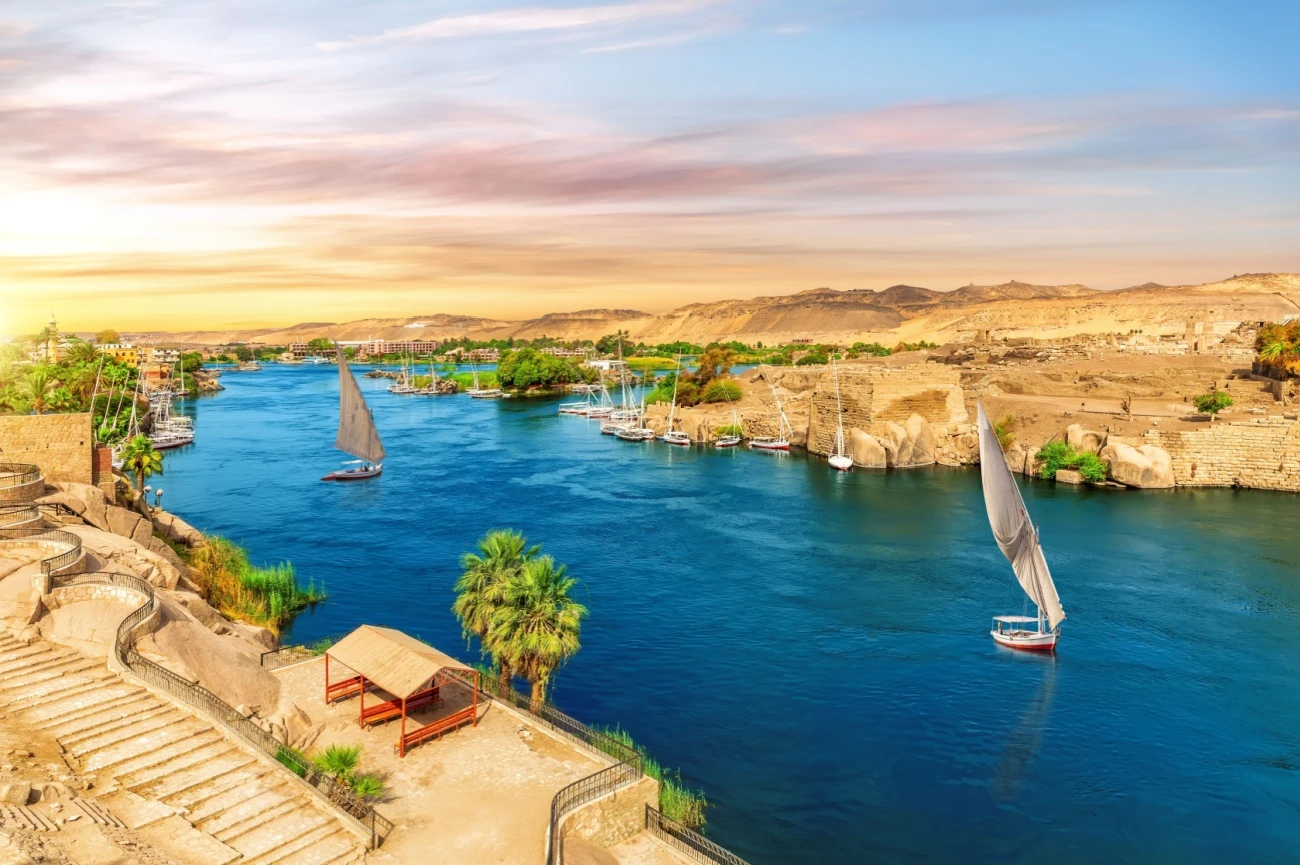
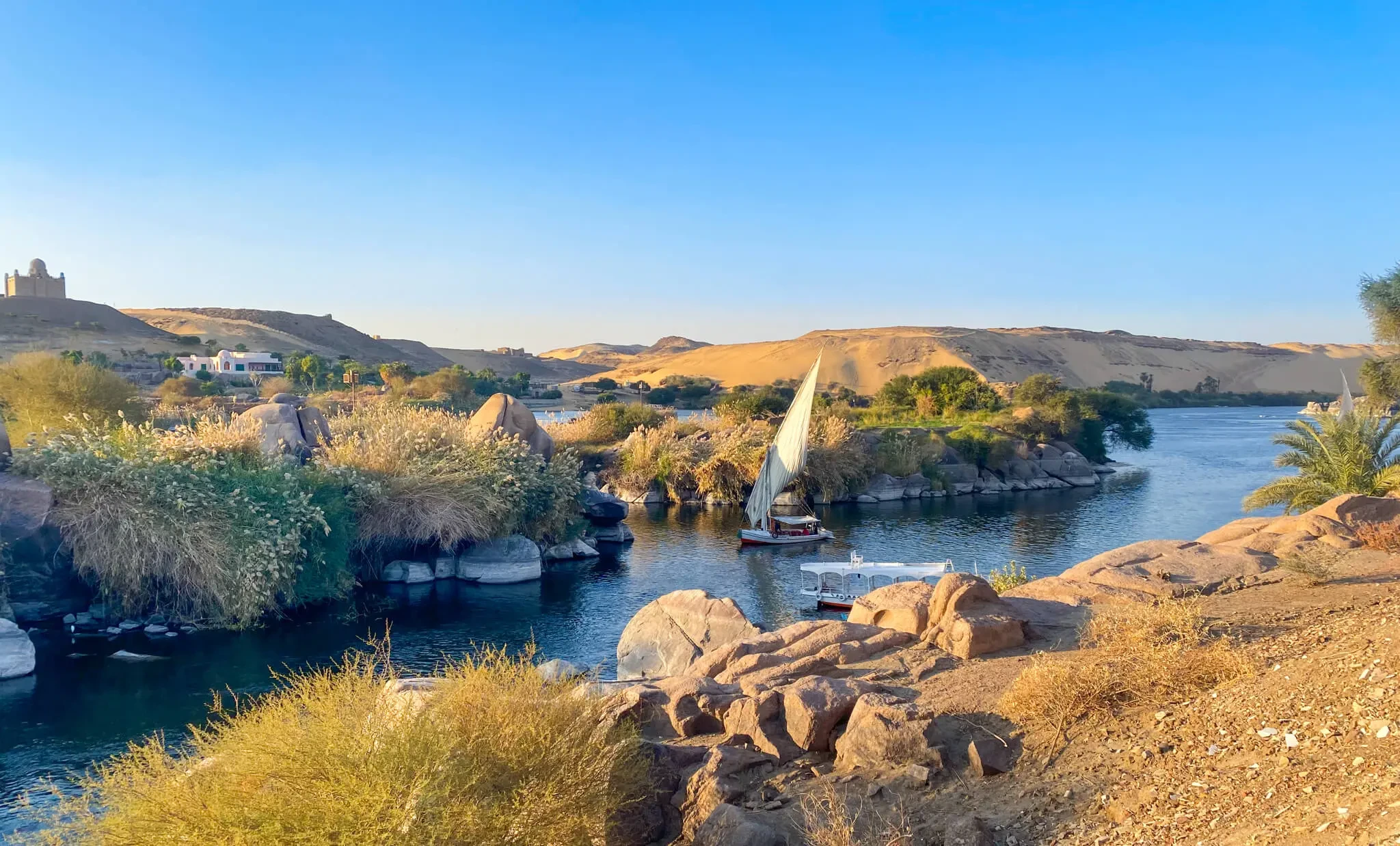
Seeing Luxor from a Nile cruise is one of the best ways to get immersed into its history. With views of lavish landscapes and desert horizons, one can explore the ancient mastery of stopping at ancient pearls along the way.
1- Valley of the Kings: The tombs of powerful pharaohs here that contain walls painted with intricate murals depicting their journey through eternity.
2- Temple of Hatshepsut: The epitome of architectural alchemy-the terraces cling to the face of Deir el-Bahari.
3- Colossi of Memnon: Although large, these statues still astonish visitors by their size and genius of making.
4- Nile Views & Sunset Cruises: Beyond historical sites, the river offers breathtaking sunsets over golden sands and verdant banks, creating unforgettable memories.
The Luxor Nile journey is all about giving one a sensation that is beyond viewing as it combines the reign with the pastime mixing luxury, expertise, and great landscapes. These travelers at every stop get to see the mysteries and stories of ancient Egypt, collected.
Crossing over to the West Bank of Luxor takes you to an ancient, mysterious, and beautiful place. The Valley of the Kings and the Temple of Hatshepsut are the two main sites that reveal the amazing story of ancient Egypt. No matter if you are an adventure seeker, history lover, or just a casual explorer, the West Bank of Luxor will certainly impress you and you will remember it for a long time.
-webp.webp "10-Day Classic Tour of Cairo, Aswan, Luxor, and Hurghada")










-webp.webp)
-webp.webp)

-webp.webp)