

The East Bank of Luxor, located in the southern part of Egypt, is the site of the most incredible ancient monuments and artifacts of Egyptian history. Among the attractions of this area is the Karnak Temple, the largest religious complex that was ever constructed, and the Luxor Temple, which is still very well preserved. These sites, along with others, present to the visitors an authentic experience of the ancient Egyptian culture and religion. The East Bank is an absolute delight for anyone with a passion for temples, statues, and ancient history as it is packed with innumerable fascinating sites.
Top Landmarks on Luxor’s East Bank
Karnak Temple Complex
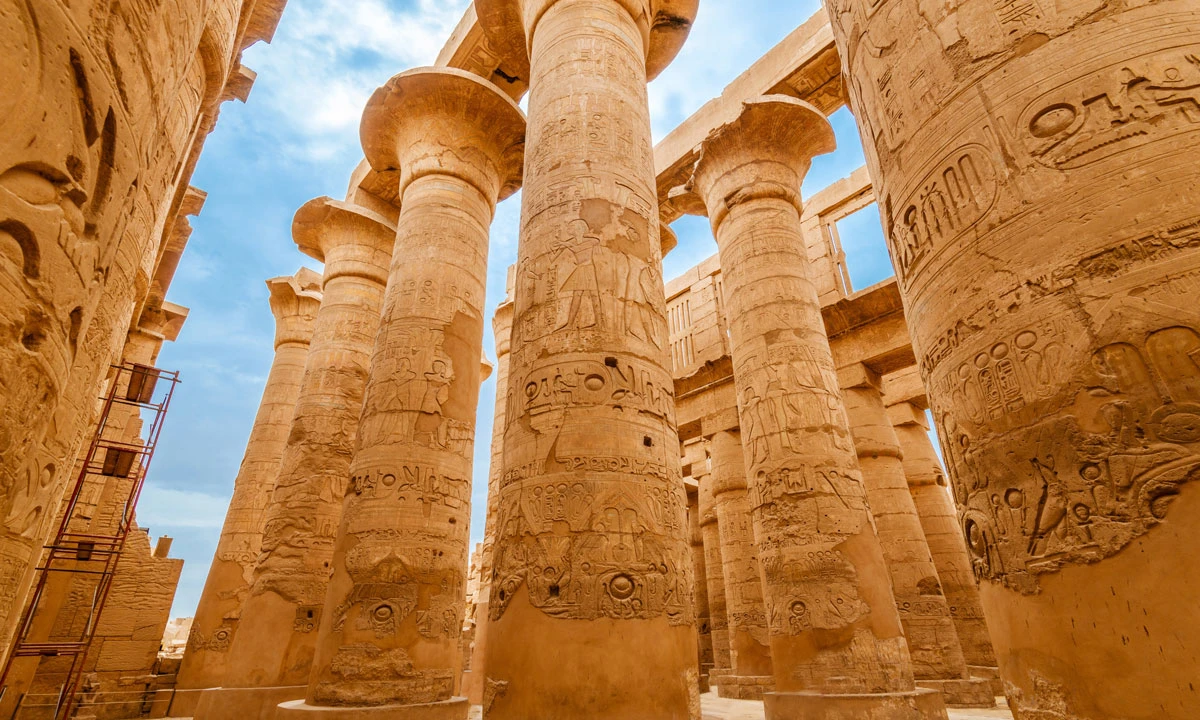
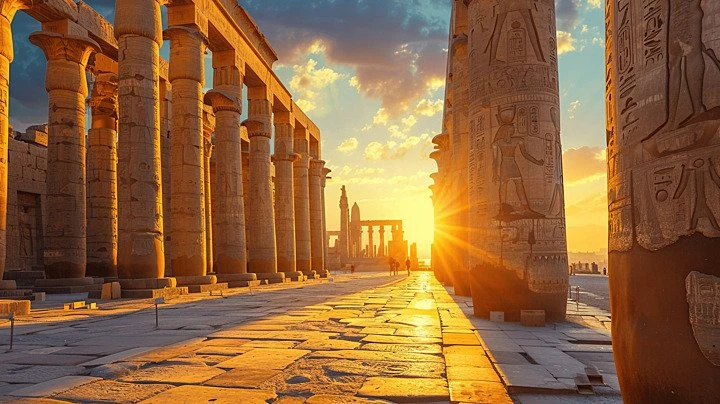
Karnak Temple is the biggest religious site in Luxor and one of the most impressive in the world. It was mainly dedicated to the god Amun and covers over 200 acres. The temple has massive statues, towering columns, a sacred lake, and huge pylons, including the famous Hypostyle Hall. Walking through Karnak is like stepping back in time, seeing the glory of the ancient Egyptian kings and their devotion to the gods.
Luxor Temple
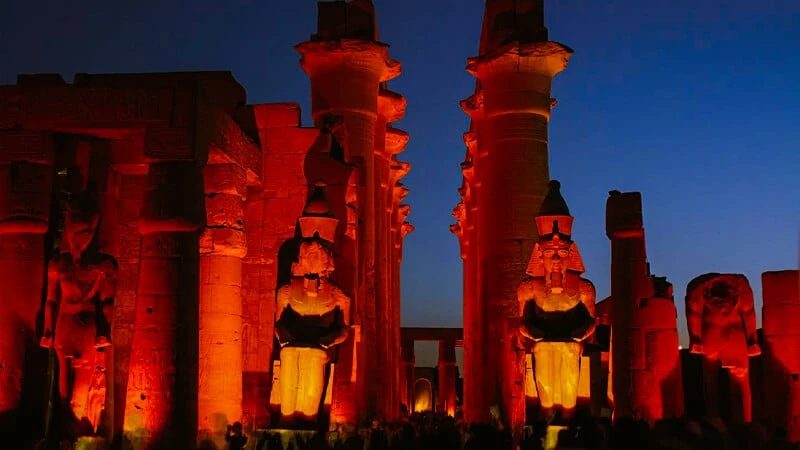
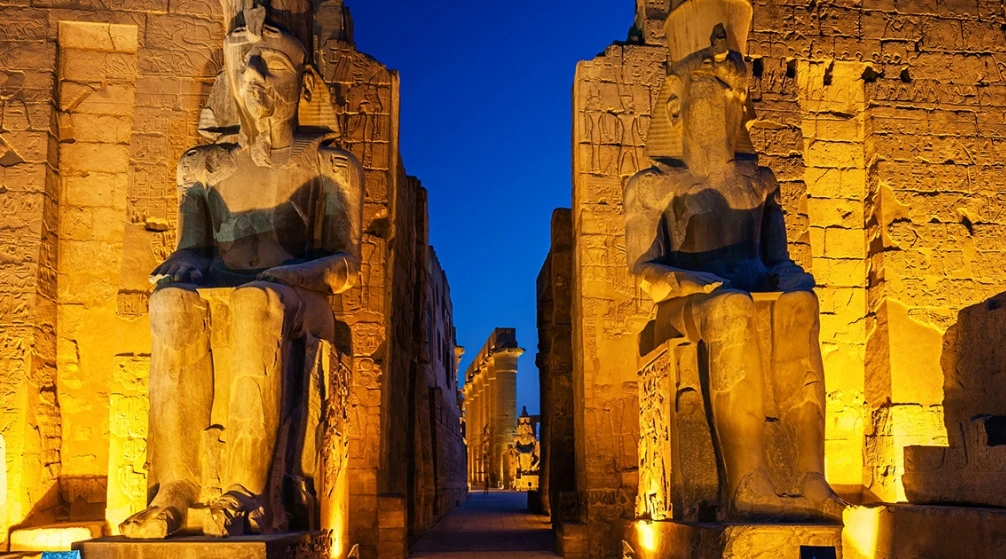
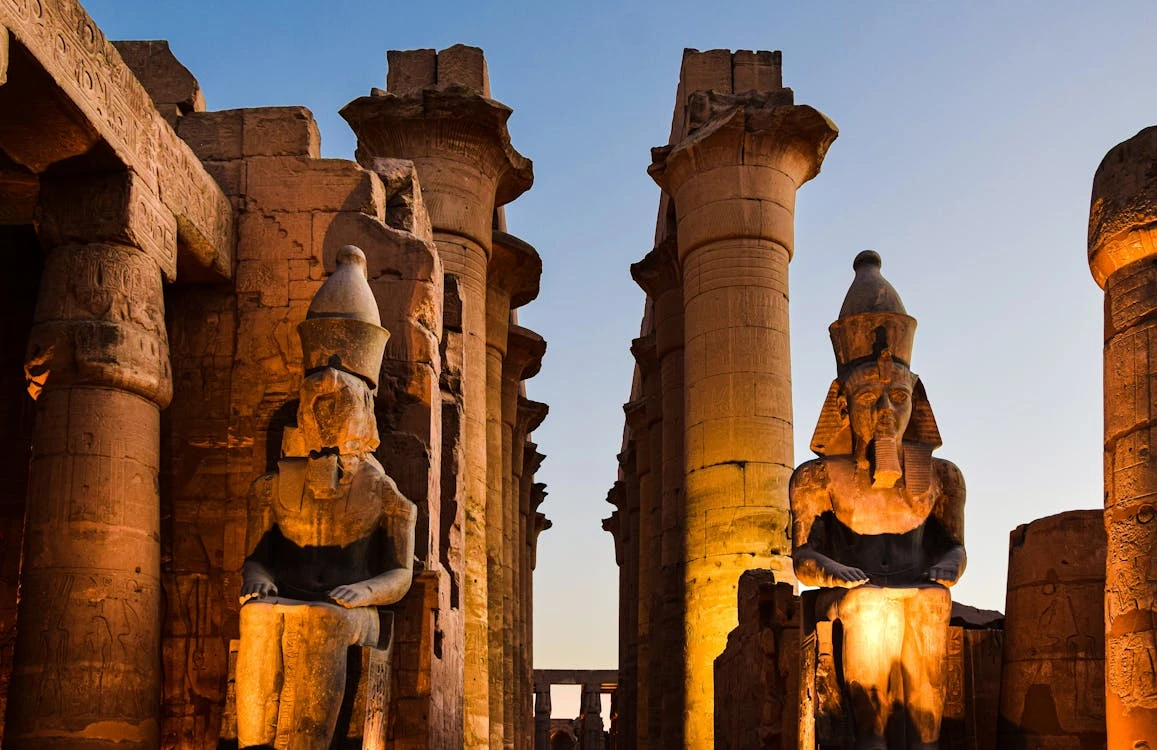
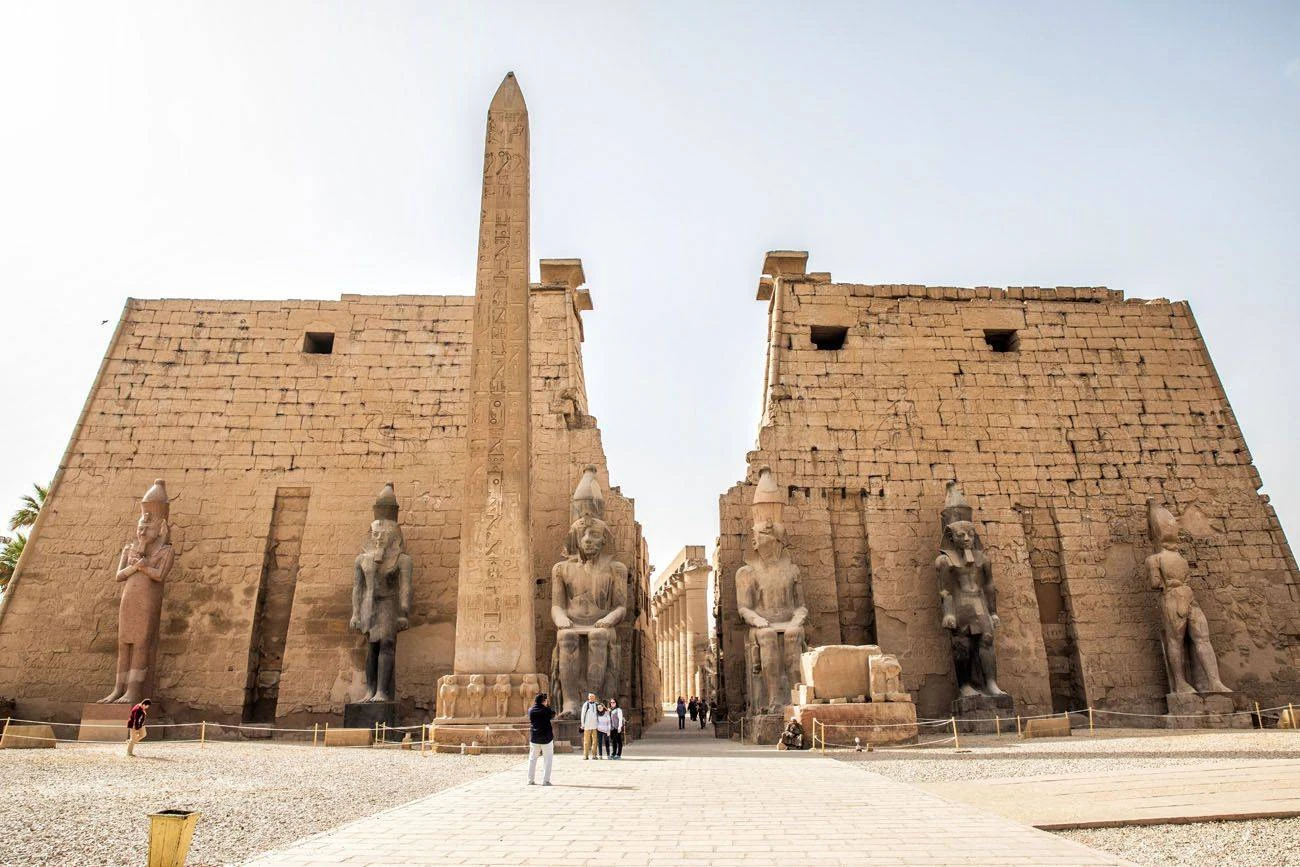
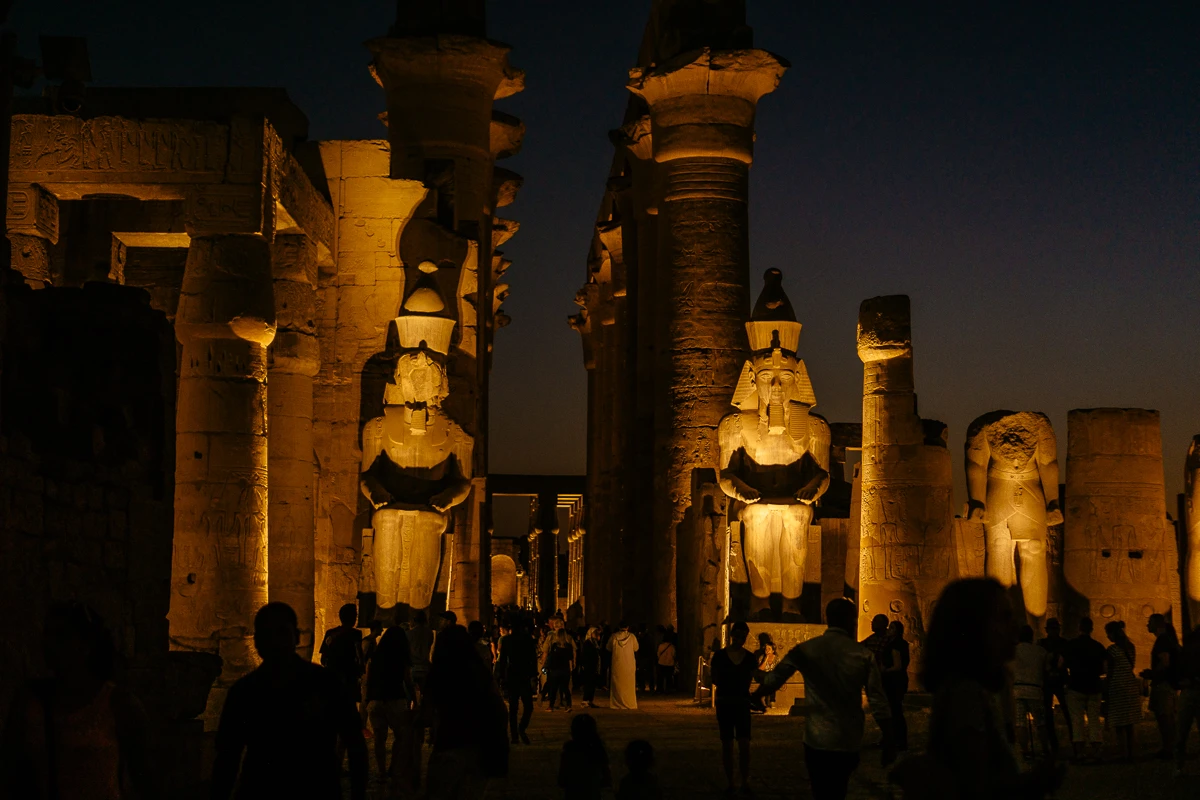
Located close to Karnak, Luxor Temple is another superb site. It was built by Pharaoh Amenhotep III and furthered by Ramses II. It has a simply imposing entrance built with colossal statues and obelisks. It was the central location of the Opet Festival where the pharaoh would commemorate their connection with the gods. By night, while it is all lit up, Luxor Temple seems distinctly magical and exemplifies wonder.
Avenue of Sphinxes
This long road once connected Karnak and Luxor temples. Lined with ram-headed sphinx statues, it was used for religious processions and festivals. Today, it is being carefully restored, and walking along it gives a real sense of ancient Egyptian pageantry.
Mummification Museum
Located near Luxor Temple, the Mummification Museum shows how, in the ancient days, the Egyptians used to preserve their dead. Various mummies, tools used in embalming, and other relics are on display that allow an interested visitor to grasp how the dead was prepared to dwell in the world beyond.
Colossi of Memnon
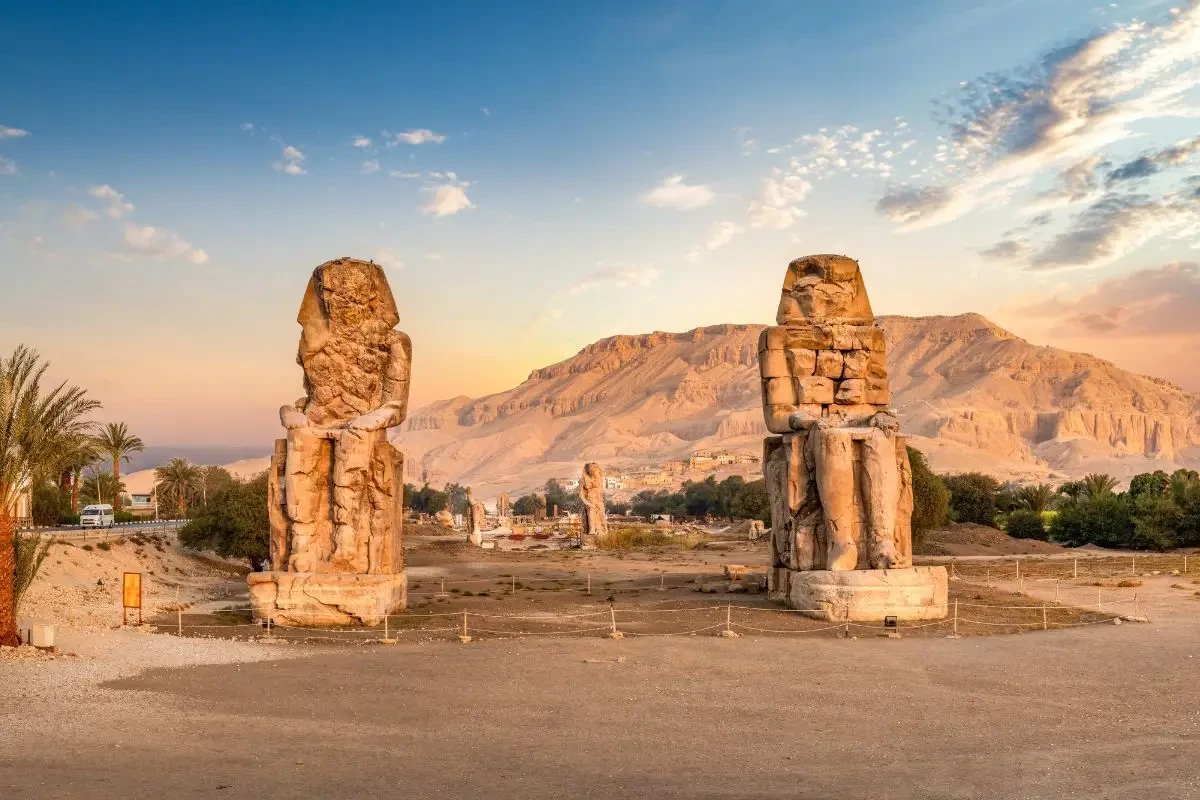
Located slightly far from the main temples, the Colossi of Memnon are two massive statues of Pharaoh Amenhotep III. Standing since over 3,400 years, they once guarded his mortuary temple. After all these years of weathering, these statues cannot in any way disappoint their spectators bearing in mind their status as two dazzling symbols of ancient Egypt while earthquakes and natural wear modestly cast their shadows on them.
Explore Luxor’s East Bank on a Nile Cruise
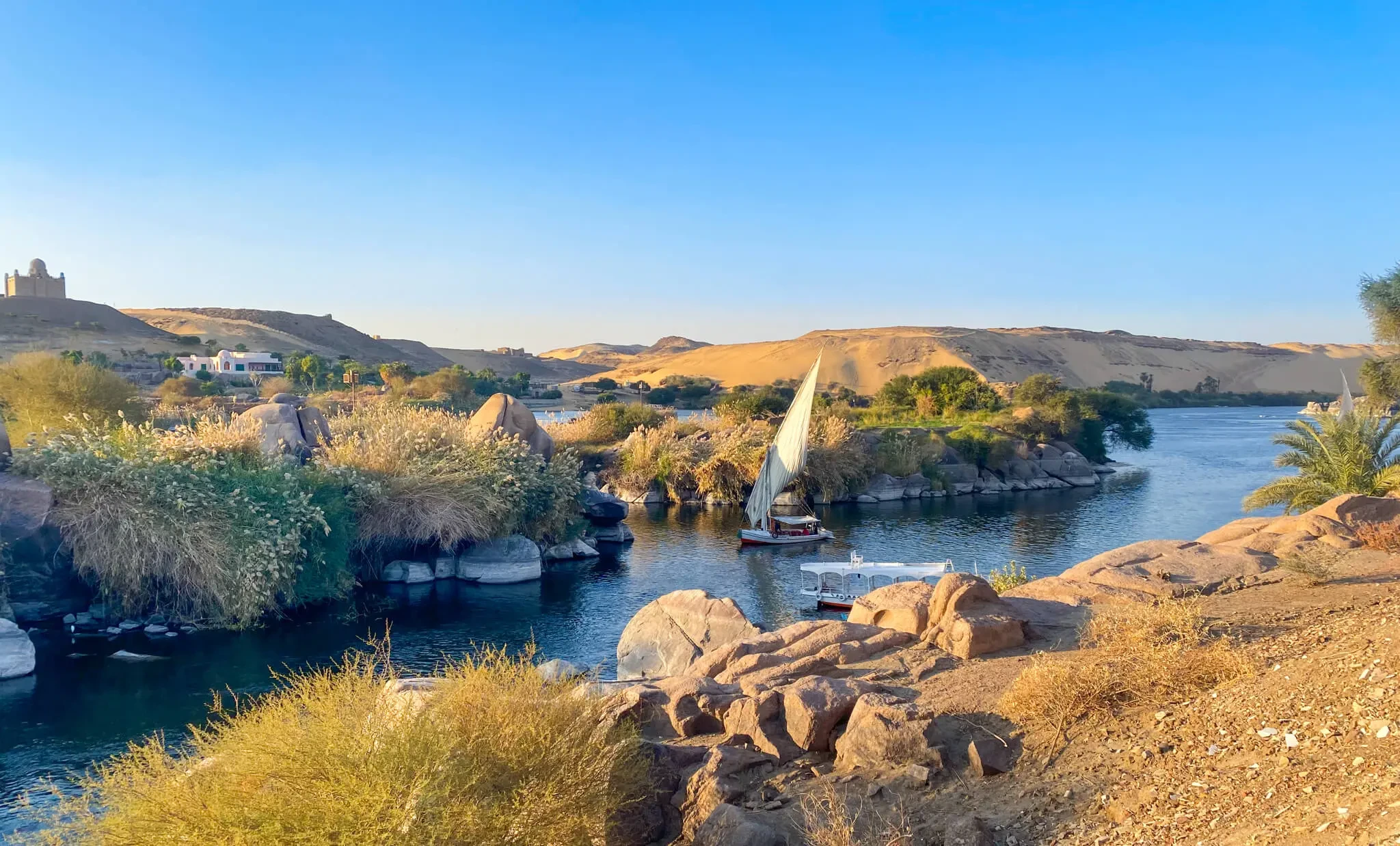
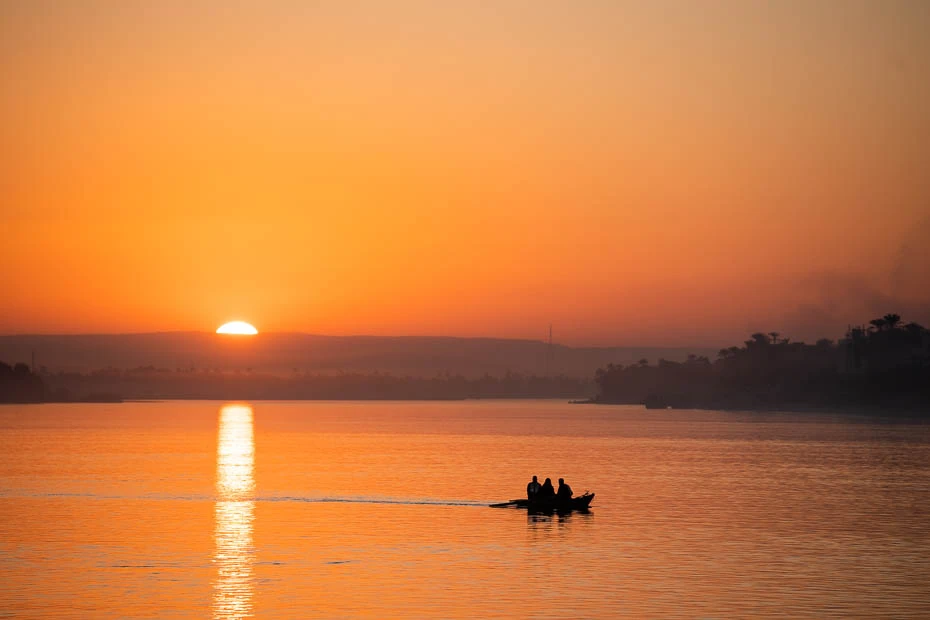
A luxury Nile cruise offers a relaxing and elegant way to explore the East Bank of Luxor. As your boat sails along the Nile, you’ll enjoy views of lush riverbanks, desert landscapes, and historic monuments.
From the deck, the impressive columns and huge figures of Karnak Temple will catch your sight. After disembarking, wandering through the vast area of the temple, you can think of life in ancient Thebes. Then, Luxor Temple comes with its awesome pylons, obelisks, and night light, which makes the place very magical. Lastly, a walk through the Avenue of Sphinxes revives the magnificence of ancient religious processions.
A Nile cruise is not a mere visit to ruins but a journey that combines history, beauty, and comfort, allowing travelers to experience ancient Egypt in a stylish way.
-webp.webp "10-Day Classic Tour of Cairo, Aswan, Luxor, and Hurghada")




-webp.webp)
-webp.webp)

-webp.webp)