

The Legacy of Egyptian Civilization: Eras of Development
Egyptian civilization has always been a very fascinating story in human history, and it lasted for many years leaving a huge impact on the world. The legacy of the Egyptians still inspires and takes people's attention today, thanks to the splendid ancient buildings, religious practices, and the cultural and intellectual prosperity of the medieval age, to the adapting modern Egypt and its resilience. Each era contributes a special trait to the narrative of the Egyptian character, indicating a unbroken line of creativity, mutation, and cultural richness. To learn about one segment of Egypt’s past is like to know its triumphs and to realize how they are still influencing art, science, politics, and culture of the world today.
1-The Rich Legacy of Egyptian Civilization: Ancient, Medieval, and Modern Eras
Ancient Egypt: The Birth of a Timeless Civilization
Egyptian civilization is one of the oldest and most honored ones in the history of humanity. Its start dates back to around 3100 BCE, when the Nile River, famous for its fertility, was the source of the life of the ancient Egyptians. They erected monumental tombs and monumental temples, invented a writing system called hieroglyphics, and had omnipotent kings who determined the fate of architecture, art, religion, and governance a legacy that has not only survived but continues to shape the world in various ways during this period. The Great Pyramid of Giza and the unexplored tomb of King Tutankhamun drew over the years thousands of tourists and researchers with their immense attractions.
Medicine, astronomy, and mathematics were among the fields in which the Egyptians made great strides. Their ideas about the afterlife led them to build large tombs, which were not only filled with valuables but also with sacred writings, thus demonstrating the extent of their spirituality.
2. Medieval Egypt: A Hub of Cultural and Intellectual Exchange
After the ancient era, Egypt went through a medieval period that was extremely vibrant, full of different dynasties and foreign influences.
The Islamic conquest in the early 7th century plunged Egypt into the very center of Islamic culture and scholarship.
A great number of mosques, madrasas, and markets defined the city of Cairo, which was then the capital of the Islamic empire, and it was a flourishing rather than a stagnant period in the case of Egyptian scholars, philosophers, and physicians. They imposed their newly developed knowledge reflecting on the ancient Egyptian wisdom as well as the broader Islamic world.
The medieval saga was a mixture of cultures along with the political powers changing places.
In spite of this, Egypt was still the main link between Africa, Asia, and Europe, playing the role of a bridge connecting various civilizations.
3. Modern Egypt: Nationhood, Revolution, and Renaissance
Modern Egypt was born in the 19th and 20th centuries, and the main factors influencing its development were colonialism, nationalism and big social changes.
Egyptian leaders like Muhammad Ali Pasha and other nationalists initiated modernization of various sectors such as agriculture, military and education.On the whole, Egypt was the most important country in the Arab world that fought for the independence from foreign dominion, especially after the 1952 revolution in Egypt. Today, Egypt coexists its rich history with a contemporary society that is open to new technology, arts, and international networking.
In the contemporary period, Egypt has become an important cultural and political force and is attracting millions of tourists who come to see the wonders of the ancient heritage. Through its historic past, Egypt nevertheless continues to approach the future with hope and aspiration for a bright and connected future.
Fascinating Facts About Egyptian History
1. Egypt: One of Humanity's Earliest Civilizations
Ancient Egypt is the World's most spectacular civilization and at the same time the longest-lasting one in human history. The period of its existence lasted over 5,000 years. Its tale started in about 3100 BCE when Pharaoh Narmer (or Menes) succeeded in combining Upper and Lower Egypt into a single, northeastern centralized kingdom. This union became the starting point for a politically stable and, culturally, a hugely developed society in the Nile region.
The Nile played a pivotal role in the life of Egypt. It brought annual floods that would leave behind a layer of the most fertile soil in the world. Then, it would provide the local people and animals with some food during the rest of the year. Eventually, society with these stable resources moved through many different epochs. The Old Kingdom became, among other things, associated with the idea of a great pyramid, the Middle Kingdom was a time of refinement and the New Kingdom period symbolized Egypt at its zenith in power, empire and above all, art elegance. All these epochs together developed a civilization whose influence and charm continue to attract the people's attention until today.
2. The Great Pyramids: Timeless Symbols of Human Ingenuity
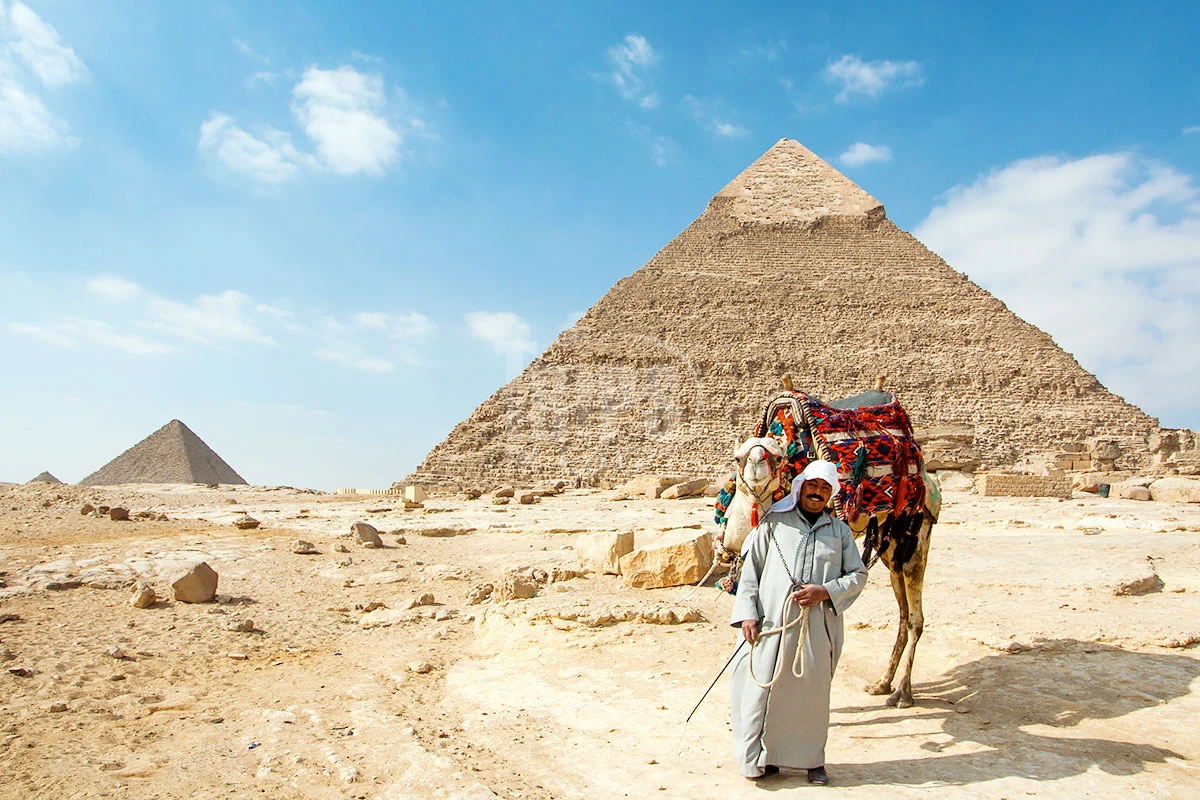
The Great Pyramid of Giza is one of the most unbelievable and breathtaking constructions of the ancient times world. It was built during 2560 BCE approximately in Pharaoh Khufu’s reign, and its original height was about 146 meters. Furthermore, it got the title of the tallest man-made structure for close to 4,000 years. To build it, millions of limestone blocks were used, and still, today people are amazed and wonder about the perfect alignment and the precise engineering.
The pyramid was a tomb for the king, a place where he was protected together with all his possessions, which was money and other stuff, for the afterlife, and it was a reflection of the Egyptians’ strong belief in life after death, which was the reason why they built such enormous and elaborate tombs. Not far from there, the Great Sphinx that shows a lion's body and a pharaoh's head is there guarding the complex as a silent protector. These masterpieces, along with their mystery, have become the very signs connecting not only Egypt’s architectural dexterity but also its spiritual profundity, therefore, they attract millions of tourists who are captivated by the mystery and splendor of the pyramids.
3. Hieroglyphics: Egypt’s Sacred Script
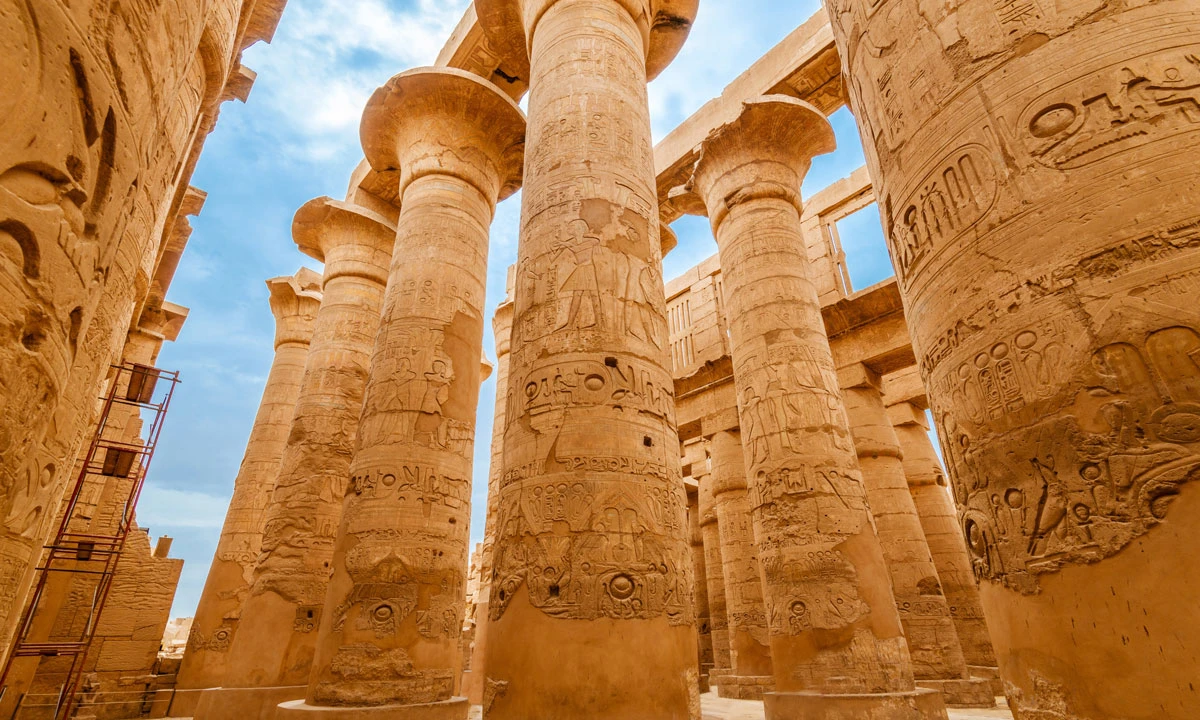
Hieroglyphics were the official writing system of ancient Egypt, more than 700 symbols being the system of the letters which represented the sounds, the objects, and the ideas. These symbols were/are such that they were regarded as the sacred ones, hence, they were very meticulously carved or painted onto the walls of temples, monuments, and tombs in order to keep religious texts, royal proclamations, and prayers for the dead.
The meaning of hieroglyphs has been lost to time for a long time. But in 1799, the discovery of the Rosetta Stone, which had the same text written in Greek, Demotic, and hieroglyphic scripts, changed all that. This incredible discovery enabled the scholars, especially Jean-François Champollion, to decipher the ancient language in the early 19th century. Consequently, historians obtained an unparalleled understanding of Egyptian beliefs, daily life, governance, and traditions, thus, a window was opened to one of history’s most extraordinary civilizations.
4. Advancements in Medicine, Science and Mathematics
The ancient Egyptians were advanced for their period in medicine and science. According to medical books, namely the Ebers papyrus, they explained the human system, diseases, and implored various practices to heal the ill, through herbs and simple surgery. Wounds were cleaned, teeth repaired; hence, they conducted minor surgeries.
They also invented astronomy, map-making, and keeping track of time about the structure of the ancient goings of the stars. Mathematics was important for practical daily occurrences; thus, the measurements for land during its building were once checked. These discoveries involved later civilizations from which an insight could be given to the notion of how intelligent and advanced the ancient Egyptians had been.
5. Pharaohs: Divine Rulers of the Ancient World
The pharaohs were not only kings but divine persons who kept the harmony and order of the so-called ma'at in the country. They had total control over everything; they commanded armies, controlled resources, and performed holy ceremonies to please the gods.
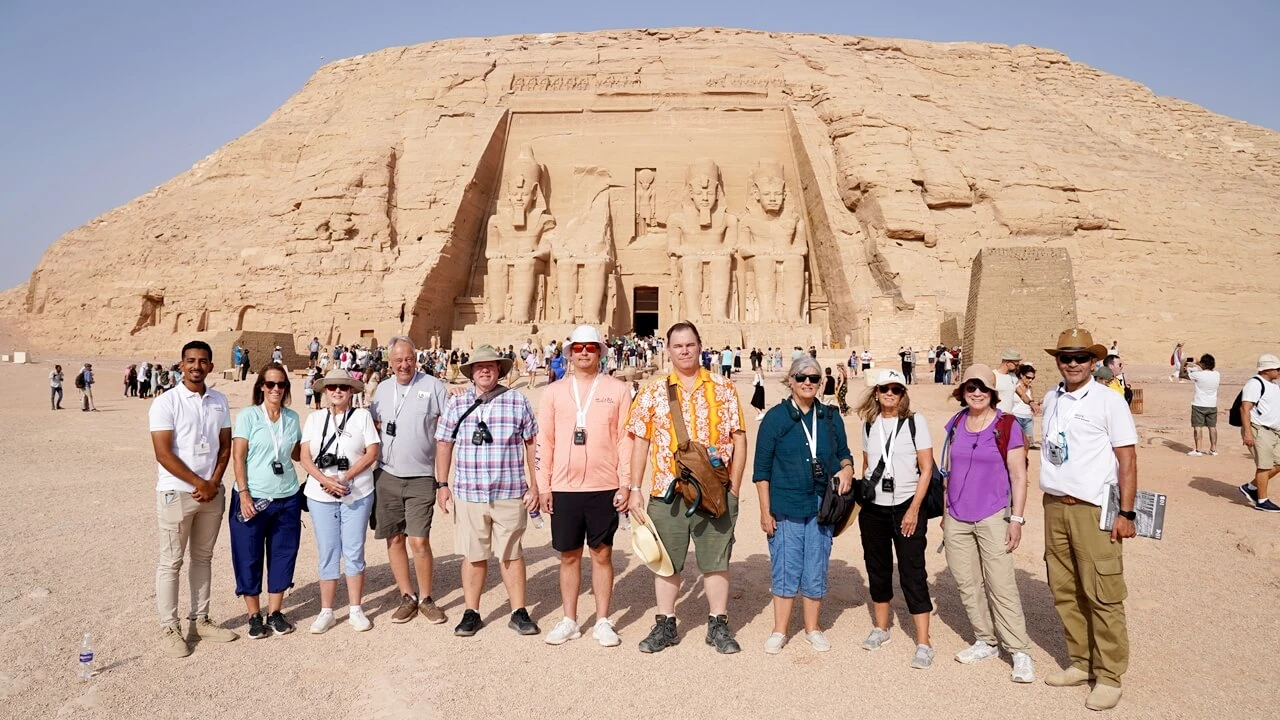
From Tutankhamun, whose nearly completely intact tomb was very unexpectedly found in 1922, insights into royal burial practices shine forth; Ramses II extended the border of Egypt and left colossal monuments to commemorate his reign; and the final chapter of Egyptian history and Rome's contact with Egypt and a very important historically for all humankind." (376) They were dynamic symbols of sovereigns and power and leadership for posterity.
Did Egypt's History Survive over 5,000 Years?
Egypt's history had survived essentially by virtue of the protection offered by its land and peoples. The Nile provided food and water, while the desert outside Egypt protected the country from enemies. All these factors have helped in maintaining the temples and tombs safe.
The Egyptians had particular respect for their associated history. They built temples from strong stones and wrote down their stories and beliefs. They believed in the afterlife so they went the extra mile to protect their bodies and tombs.
Today, one finds new ruins even in Egypt and certainly more writings from time to time. It keeps the history alive so that the story of Egypt can be learned by all.
Egypt is much more than a country; it is a huge outdoor museum for human greatness. Their monuments, traditions, and stories echo with the echoes of gods and pharaohs capturing the grandeur in the hearts of generations. If these charms overwhelmed you, pass them on and best of all, go to Egypt and have the firsthand experience. Stroll under the pyramids, sail on the ageless Nile, and learn the enchantment of a civilization that never fails to amaze the world.
-webp.webp "10-Day Classic Tour of Cairo, Aswan, Luxor, and Hurghada")


-webp.webp "3 Days Family Tours Egypt Explore the Best of Cairo & Alexandria")


-webp.webp)
-webp.webp)

-webp.webp)