

Abu Dhabi, the capital of UAE, is a city where modern luxury meets rich cultural heritage. From the iconic Sheikh Zayed Grand Mosque and Louvre Abu Dhabi, to the amusement parks and exciting attractions at Yas Island, the city offers impressive experiences to faraway travelers arriving from USA. Being the land of historic museums, lazing on exquisite beaches and having fun on adventures in the desert is the perfect mixing of culture, innovation, and excitement not to be missed—one of them being Abu Dhabi, paired with Dubai tours-which furnish a satisfactory UAE journey.
Abu Dhabi’s Location
Abu Dhabi, the capital of the United Arab Emirates, sits on a peninsula island along the northeastern edge of the Arabian Peninsula, overlooking the tranquil waters of the Persian Gulf. It is also the largest city within the Abu Dhabi Emirate.
The city is located approximately 140 km (87 miles) southwest of Dubai, making it easily accessible for travelers moving between the two destinations. Abu Dhabi’s downtown area rests on an island connected to the mainland by several impressive bridges, offering visitors panoramic views of its stunning waterfront and scenic coastal landscape.
History of Abu Dhabi
Ancient history of Abu Dhabi dates back thousands of years, at the time of nomadic Bedouin tribes who relied strongly on pearl diving, which was the region's main source of income prior to the discovery of oil. "Abu Dhabi," Arabic for "Father of the Gazelle," attests to this place being a natural gazelle habitat and hunting place.
During the 18th century, the Bani Yas tribe settling in the area under the leadership of Al Nahyan family created a stronghold that made the city foundations. By the early 1900s, Abu Dhabi existed as a little fishing hamlet barely off the coast.
The discovery of oil in 1958 changed everything. Under the leadership of Sheikh Zayed bin Sultan Al Nahyan, who became the ruler in 1966, Abu Dhabi went through a fast pace of modernization and development-bridge from an open-air, Bedouin tribal society to a western-infused merchant-capitalist city of modern times. This implausible transformation was due to Sheikh Zayed's vision combined with his power in public and private management of mega-projects and economic development, culture, laws and regulations.
Sheikh Zayed is unique. There are many leaders, visionary or not, within any political substructure who did what they could when they were at the top of the office. Sheikh Zayed's qualification was not just that of putting the yellow sand in the UAE color. It was the realization of maintaining the nation and Islam that he (with his peers at the time) established on December 2, 1971.
Nowadays, one could claim that Abu Dhabi is, perhaps on the pace of a global city, at par with the rest to name and mention it first in discussions of current world podiums. A modern skyline with cultural bespeaks and world-class attractions; luxury tourism giving away some kind of competition to smaller Gulf States and vital contributions to global energetical commoditization: all that is Abu Dhabi. No matter how fast-paced the development, it continues to be firmly rooted in the heritage; progress and tradition are inextricably encouraged.
What is Abu Dhabi Known For?
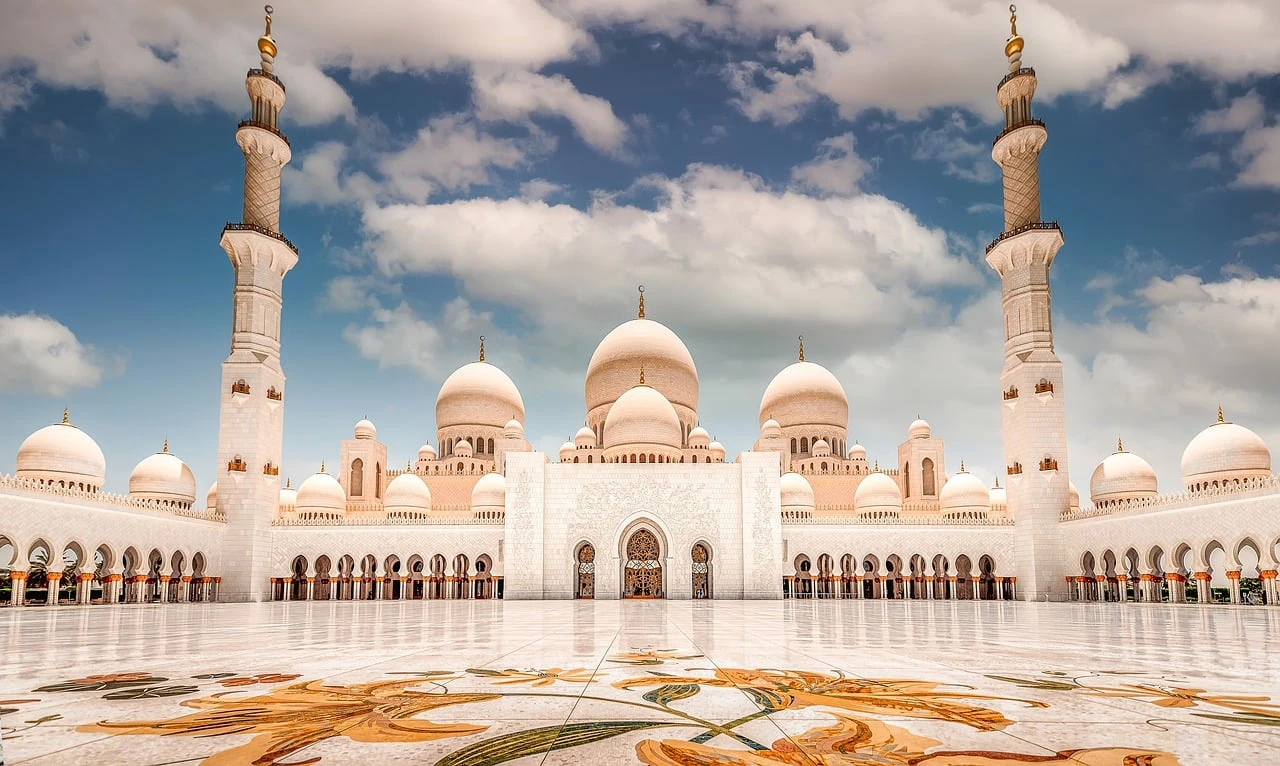
Sheikh Zayed Grand Mosque:
One of the world's largest mosques and a major achievement in Islamic architectural wonders, known for its white marble, elegant craftsmanship, and spiritual atmosphere.
Yas Island:
A mega-entertainment destination often compared to global theme park icons. Yas Island offers access to thrilling attractions such as Ferrari World, the Abu Dhabi Grand Prix at Yas Marina Circuit, Yas Waterworld, and Warner Bros. World Abu Dhabi.
Louvre Abu Dhabi:
A museum designed by Jean Nouvel that showcases global art, artifacts, and cultural stories beneath its striking, star-like dome.
Abu Dhabi Corniche:
A scenic waterfront promenade featuring beautiful beaches, parks, cycling lanes, and impressive skyline views.
Emirates Palace:
A symbol of luxury and grandeur, this landmark hotel represents Abu Dhabi’s opulence and frequently hosts well-known celebrities and dignitaries from around the world.
Desert Adventures:
Activities such as desert safaris, camel rides, and sandboarding provide insight into the region’s natural landscapes and Bedouin heritage.
Qasr Al Watan:
Known as the “Palace of the Nation,” this architectural masterpiece offers a deep look into UAE culture, history, and governance.
Traditional Souks:
Bustling markets where visitors can shop for spices, textiles, perfumes, gold, and handicrafts, reflecting the essence of old Arabian trade.
Luxury Shopping & Dining:
Abu Dhabi is a haven for shoppers, offering upscale malls like The Galleria and Marina Mall, as well as fine dining with global and regional cuisines.
Sustainability Efforts:
Masdar City stands out for its pioneering environmental initiatives and is recognized as one of the world’s first sustainable urban developments.
The city of Abu Dhabi, where, culture meets luxury with ultra-modern living. All this historic and modernity. Whether it is calming Sheikh Zayed Grand Mosque into view, thrilling yourself silly at once on Yas Island, museum-hunting in some of the most elite museums, lounging in the serenity of a totally untouched ocean beach, in desolation with this ungrind tangle of a desert, the city certainly leaves a remarkable impact. The vibrant capital of the UAE Abu Dhabi offers a potent concoction of tradition and innovation, and hence, is truly rewarding for the trail-blazing travelers in every possible way. So come, we can give you the best of touring around onto the United Arab Emirates. Don't miss the opportunity to savor the Dubai packages and undertake an extraordinary journey into this extraordinary city.
-webp.webp "5-Day, 4-Night Dubai Tour Package")



-webp.webp)
-webp.webp)

-webp.webp)