

Dubai Museum, nestled within the historic Al Fahidi Fort, offers an immersive journey through Dubai's heritage and cultural development. Founded in 1971, the museum showcases the evolution of a modest fishing village into a city of global prominence. Visitors can explore daily life, traditions, and the rapid progress that shaped modern Dubai through well-presented displays and diverse artifacts. It is considered a key stop on every Dubai travel package, highlighting the essence of the city.
Exploring Location Dubai Museum
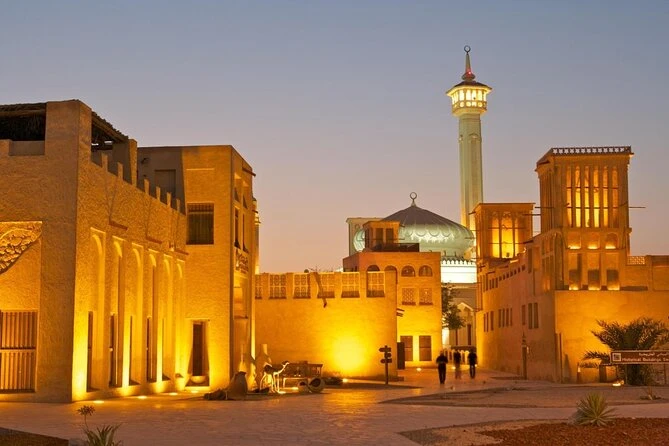
Sitting deep in old Dubai, the museum lies within the historical Al Fahidi district, also called Al Bastakiya, in Bur Dubai near Dubai Creek. Its central location provides easy access to the traditional quarters, while modern tourist attractions in Dubai are within reach.
Dubai Museum, Al Fahidi Fort, Bur Dubai, Dubai, United Arab Emirates.
What is special about the Dubai Museum?
1. Historical Artifacts
The site features Al Fahidi Fort, Dubai’s oldest surviving building, built in 1787. Initially built as a defensive structure, it remained versatile subsequently until it became a museum thanks to a firm intervention-the fort has emerged as a key witness of Dubai's early history.
2. Museum Display:
Changing exhibits give an account of the transition of Dubai from a small fishing town into a cosmopolitan city now. In brief, visitors can slam themselves with insights into Bedouin culture, the very first crafts of the city, and the daily household tools. These displays would provide insight into activities like pearl hunting, fishing, and trading that led to the great wealth of the city.
3. Interactives:
Also available are life-sized dioramas of mashrabiya homes, colorful souks, and desert scenes, intended to allow the visitor to become part of the historical living space. Models of wooden dhows and marketplace architecture would also add a sense of realism that would elicit a hands-on interaction with the history of old Dubai.
4. Got Described Frenzy of Development.
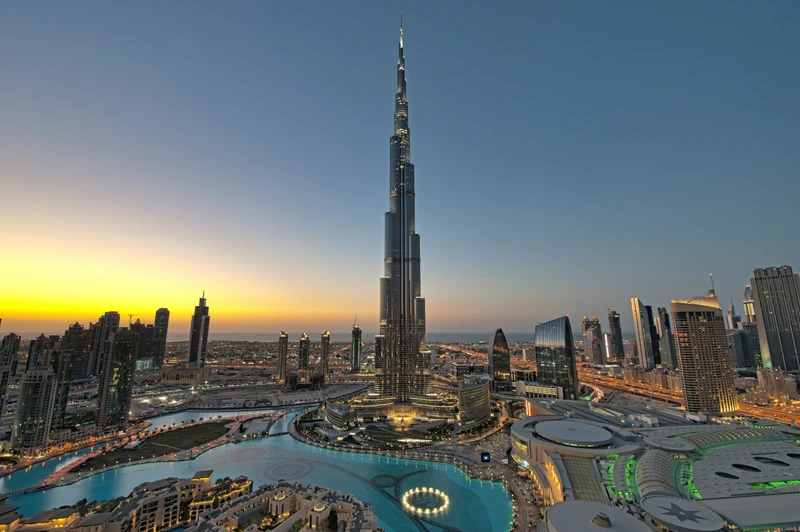
The museum actually presents the fascinating transformation of Dubai, outlining how the city turned into a modern metropolis with landmarks such as Burj Khalifa and Palm Jumeirah.
5. Maritime Heritage
Dubai is connected with the sea in so many ways, and even the maritime heritage section lets you plunge deeper virtually into the maritime affairs historically associated with the port, dhow vessels, fishing, pearl diving, and much more that the sea tradesmen brought back into the harbor.
6. Archaeological Finds
Ancient potteries, coins, and other interesting finds reveal the settlement outlines of long-existing trade contacts with neighboring areas thereby revealing the deep-rooted ancient history of Dubai.
7. Emirati Traditions
Apart from the historical finds, the museum also preserves the Emirati cultural heritage through displays of music, costumes, etiquette, and daily sartorial settings which are taken as cultural glue for the continuity of culture in UAE to future generations.
8. Location- Centrally, and Easy to reach.
The Museum's location in Old Dubai comes near the vicinity of various major heritage sites and functions as an ideal starting point from which to commence one's exploration of the rich cultural spectrum in the city. The museum faces the cultural reports of the region of the Creek and Al Bastakiya.
9. Affordable and Family-Friendly
With a modest entrance fee, the museum offers excellent value, making it accessible for families, students, and travelers seeking meaningful experiences without high costs.
What makes the Dubai Museum a must in terms of seeing the rich historical and cultural aspects of the city? Only for authentic displays; the museum brought back the essence of times gone by with a renewed vigour, showing visitors of Dubai's evolution that turned it into a powerhouse metropolis. Dubai tours commonly show flatlanders this moment of relaxation for an encounter in ancient time. At the museum, one can potentially get just about anything s/he was seeking in terms of education, with an adventure to remember.
-webp.webp "Burj Khalifa")



-webp.webp)
-webp.webp)

-webp.webp)